
Why AI router firmware 2026 matters
The shift from traditional routing to AI-driven network management is no longer theoretical. In 2026, firmware embedded with machine learning models handles traffic optimization and threat detection automatically, removing the need for constant manual configuration.
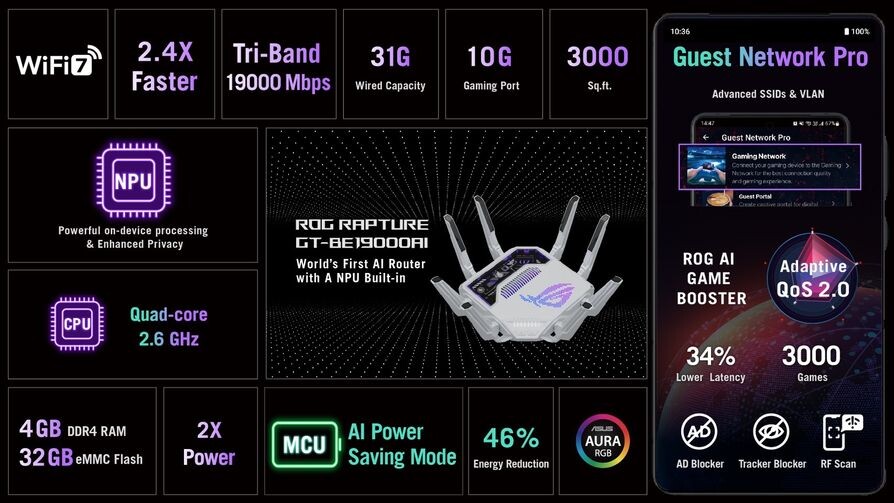
This technology moves beyond simple packet forwarding. Devices like the ASUS ROG Rapture GT-BE19000AI integrate dedicated AI processors directly into the hardware. This allows the router to learn network patterns in real time, prioritizing critical applications and isolating suspicious activity before it impacts performance.
For users, this means a network that adapts rather than one you must constantly manage. The firmware handles the heavy lifting, ensuring stable connections for gaming, streaming, and remote work without requiring technical expertise.
7 AI-Powered Router Firmware Solutions for 2026
Use this section to make the Top 7 AI-Powered Router Firmware Solutions for decision easier to compare in real life, not just on paper. Start with the reader's actual constraint, then separate must-have requirements from details that are merely nice to have. A practical choice should survive normal use, maintenance, timing, and budget. If a recommendation only works in an ideal situation, call that out plainly and give the reader a fallback path.
The simplest way to use this section is to write down the must-have criteria first, then compare each option against those criteria before weighing nice-to-have features.
1. ASUS ROG Rapture GT-BE19000AI
The ASUS ROG Rapture GT-BE19000AI stands out as the most advanced option for users who want hardware-level AI acceleration. It features a dedicated AI processor that offloads machine learning tasks from the main CPU, ensuring that traffic shaping and threat detection do not impact gaming latency. This router is ideal for enthusiasts who demand the lowest possible ping times while maintaining high security standards.
2. TP-Link Deco XE75
For users prioritizing whole-home coverage, the TP-Link Deco XE75 offers AI-driven mesh networking that automatically optimizes band steering and traffic routing. Its firmware uses machine learning to identify connected devices and prioritize bandwidth for active users. This solution is best for large homes or offices where consistent Wi-Fi performance across multiple floors is critical.
3. D-Link AQUILA PRO AI
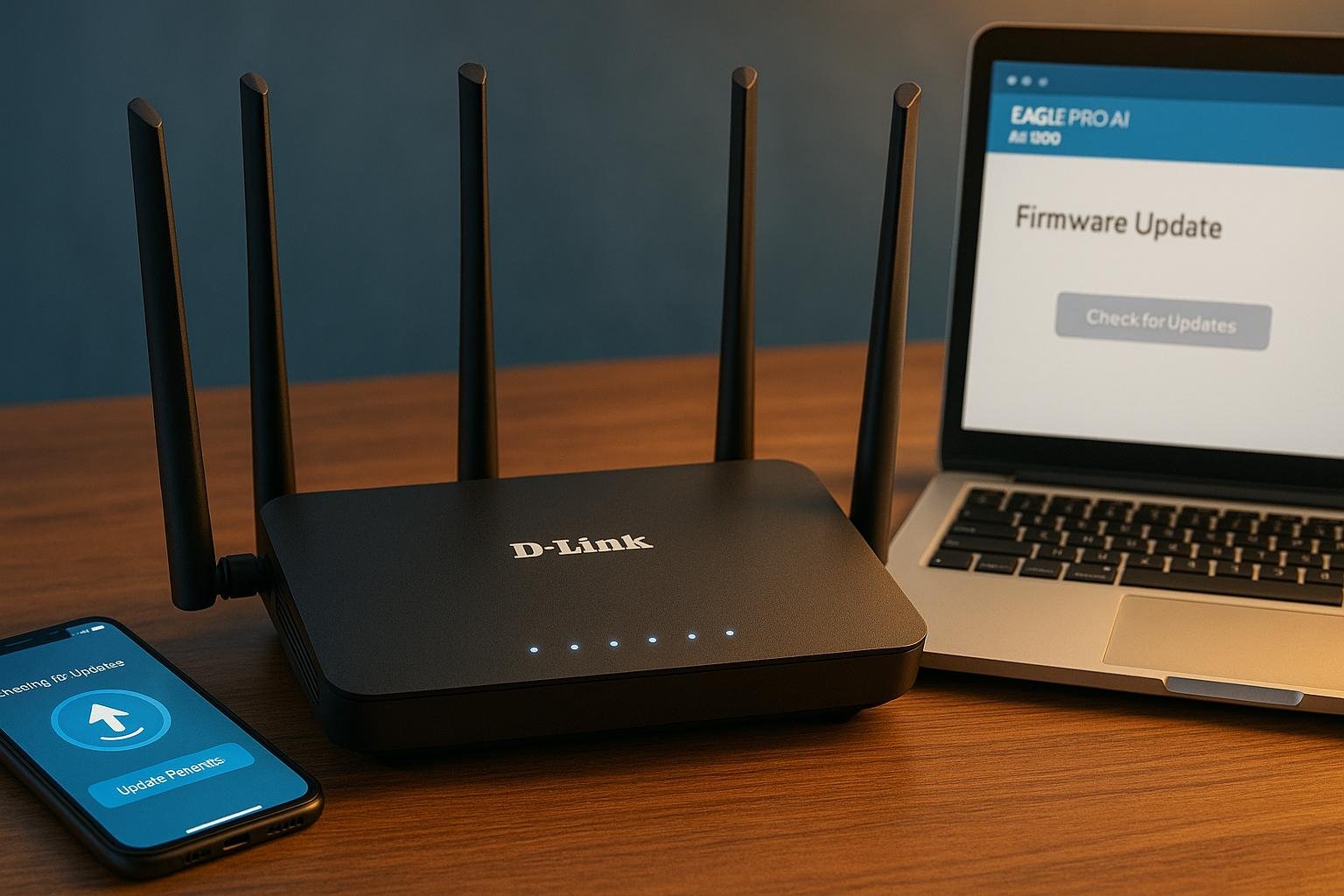
The D-Link AQUILA PRO AI router focuses on AI-powered traffic shaping to manage network congestion. Its firmware analyzes application usage patterns to ensure that bandwidth-intensive tasks like 4K streaming or large file downloads do not choke out other devices. This model is a strong choice for households with multiple heavy users and diverse device types.
4. Netgear Nighthawk RS700S
Netgear’s Nighthawk RS700S integrates Smart Connect technology with AI-driven network insights. The firmware automatically identifies devices and applies appropriate security and performance profiles. It is particularly effective for users who want a balance of high performance and ease of use, with minimal configuration required.
5. ASUS ZenWiFi Pro BT12
The ASUS ZenWiFi Pro BT12 combines mesh networking with AiProtection Pro powered by Trend Micro. Its firmware uses AI to detect and block malicious traffic in real time, providing robust security for home networks. This router is suitable for users who value security and seamless coverage over raw speed.
6. Linksys Velop Pro 6E
Linksys Velop Pro 6E offers intelligent mesh networking with firmware that optimizes signal distribution based on device location and usage. Its AI features help maintain stable connections in environments with many wireless interference sources. This model is ideal for users seeking a plug-and-play solution with reliable performance.
7. Google Nest Wifi Pro
The Google Nest Wifi Pro leverages Google’s network insights to provide AI-driven network management. The firmware automatically updates and optimizes settings based on usage patterns, offering a user-friendly experience for non-technical users. It is a good choice for those who prioritize simplicity and integration with smart home ecosystems.
How to update your router firmware
Firmware is the embedded software that allows your router’s hardware to function. Keeping it current ensures your AI-powered features run smoothly and your network remains secure against emerging threats. While manufacturers like ASUS and TP-Link have made this process easier, doing it manually gives you the best control over the timing and integrity of the update.
Before you begin, ensure your computer is connected to the router via an Ethernet cable. Wi-Fi connections can drop during the process, potentially bricking the device. Also, check the manufacturer’s website for the latest firmware file and read the release notes to understand what changes are included.
Log in to your router’s admin panel. Navigate to the Administration or System Tools section and look for a Backup/Restore option. Save the configuration file to your computer. This allows you to restore your custom settings if the update resets the device to factory defaults.
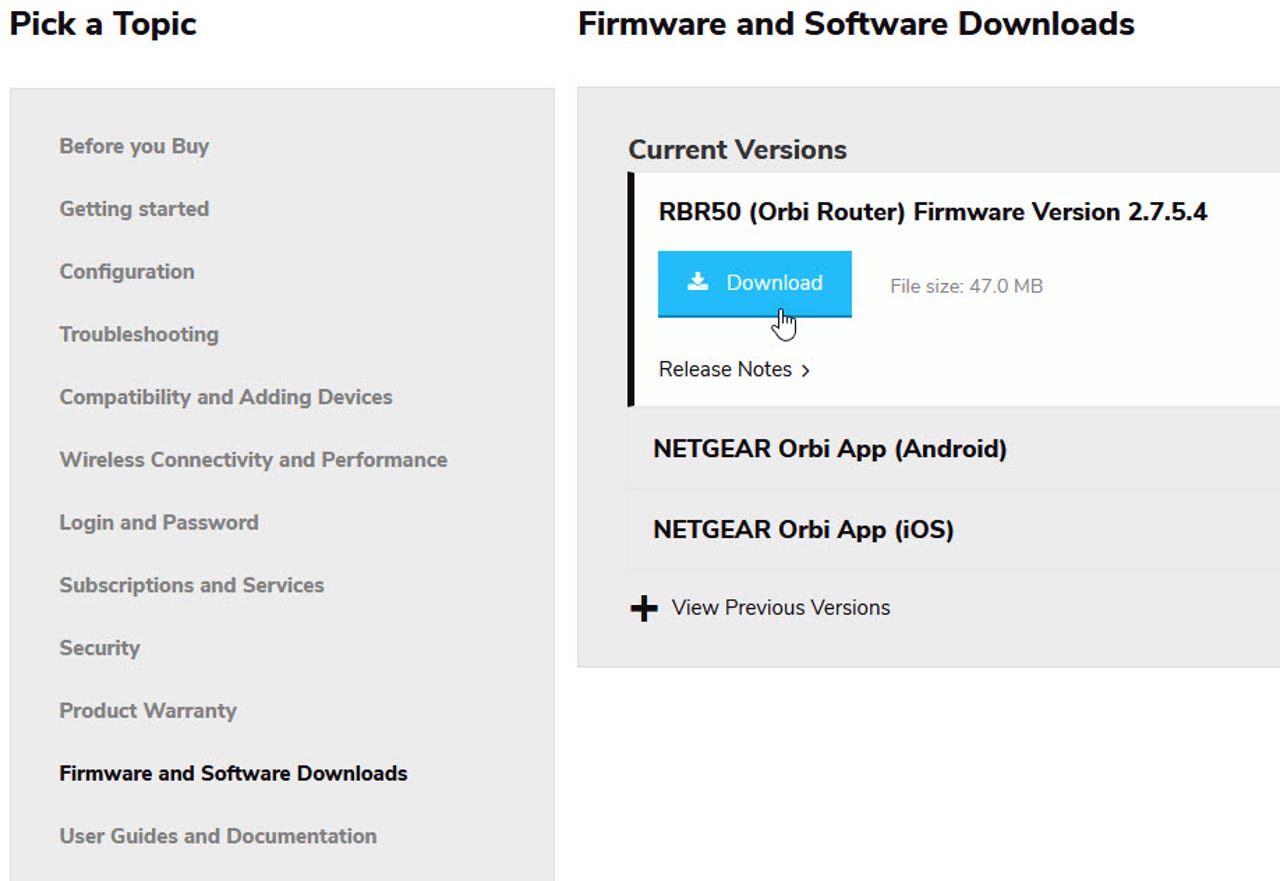
Visit the official support page for your specific router model. Download the correct firmware file for your hardware version. Do not rely on the router to find it automatically if you want to verify the file integrity first. Verify the file matches your exact model number to avoid compatibility issues.
Return to the admin panel’s Firmware Upgrade section. Click Browse or Upload and select the file you downloaded. The router will begin the installation process. Do not power off the router or disconnect it from the network during this phase. The process can take several minutes, and the router may reboot automatically.
Once the router reboots, log back in to confirm the new firmware version is installed. If your settings were reset, use the backup file you saved earlier to restore your configuration. Test your internet connection and check that your AI features are functioning as expected.
Many modern routers, such as the ASUS ROG Rapture series, offer an Auto Firmware Upgrade feature. You can enable this in the Administration menu to set a preferred upgrade time, such as 3 AM when network usage is low. This keeps your device secure without requiring manual intervention, though manual updates remain the safest method for major version changes.
Common AI router issues and fixes
Updating to new AI firmware is supposed to make your network smarter, but it often triggers immediate connectivity headaches. The most frequent complaint across user communities involves devices failing to join the 5GHz band after a firmware flash. Users report seeing generic "connection error" messages even after a full reboot of all mesh nodes.
This usually happens because the AI optimization engine has reset its radio parameters, leaving client devices confused about which band to use. The fix is rarely a simple restart. You typically need to manually reconnect each device to the network and ensure your router's AI features are set to standard compatibility modes rather than aggressive optimization during the initial setup.
If problems persist, check your specific model's support page for known post-update patches. Community feedback on platforms like Reddit suggests that resetting the AI mesh settings to factory defaults often clears the stubborn connection errors that standard reboots cannot fix.
Top AI router firmware 2026 compared
Choosing the right AI router firmware means balancing raw throughput with intelligent traffic management. The seven routers in this roundup each use different approaches to handle modern network loads, from automated QoS to built-in AI processors. Below, we compare them side-by-side on the metrics that matter most for 2026 home and small office networks.
| Model | Max Speed | Key AI Feature | Security Focus |
|---|---|---|---|
| ASUS ROG Rapture GT-BE19000AI | 36 Gbps | Built-in AI processor | Adaptive QoS |
| TP-Link Deco XE75 | 5.4 Gbps | AI-driven mesh | TP-Link HomeShield |
| D-Link AQUILA PRO AI | 3 Gbps | AI traffic shaping | Automatic updates |
| Netgear Nighthawk RS700S | 5.4 Gbps | Smart Connect | NETGEAR Armor |
| ASUS ZenWiFi Pro BT12 | 10 Gbps | AiProtection Pro | Adaptive QoS |
| Linksys Velop Pro 6E | 5.4 Gbps | Intelligent mesh | Linksys Secure Mesh |
| Google Nest Wifi Pro | 5.3 Gbps | Network insights | Google security |
Final verdict on AI router firmware
Choosing the right firmware means prioritizing security and stability over gimmicks. While the ASUS ROG Rapture GT-BE19000AI offers unique hardware-level AI, most users benefit more from reliable automatic updates on standard models.
For the best balance of performance and ease of use, TP-Link Deco and D-Link AQUILA PRO remain top choices for their consistent update cycles. Avoid flashing unverified custom firmware unless you are comfortable troubleshooting network issues manually.
Top AI router firmware picks



As an Amazon Associate, we may earn from qualifying purchases.
No comments yet. Be the first to share your thoughts!