
The solver router architecture
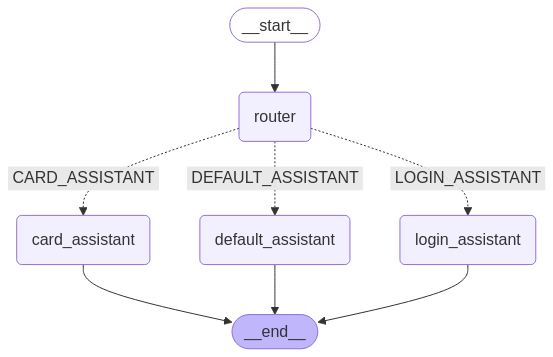
The solver router serves as the decision-making layer that replaces static routing with AI-driven intent classification. Instead of sending every transaction through a single, predictable path, the router analyzes the specific requirements of a request—such as latency sensitivity, cost constraints, or complexity—and directs it to the most appropriate specialized solver. This dynamic allocation is critical for managing high-throughput environments where static rules fail to account for real-time network congestion or varying transaction intents.
At its core, the architecture functions as a traffic controller. It evaluates incoming requests against a set of defined criteria, including potential Maximal Extractable Value (MEV) opportunities and solver-specific capabilities. By classifying intent early in the pipeline, the system ensures that complex computations are handled by solvers equipped with the necessary computational resources, while simpler transactions are routed through faster, lower-latency pathways. This separation of concerns reduces bottlenecks and optimizes overall network performance.
The effectiveness of this model relies on continuous feedback loops. Solvers report on their execution times, success rates, and resource consumption, allowing the router to refine its classification algorithms over time. This adaptive mechanism ensures that the routing logic remains aligned with current network conditions, preventing the degradation of service quality that often plagues static routing systems. The result is a more resilient and efficient network capable of handling the increasing complexity of AI-driven transactions.
Routing approaches: rules vs models
The shift toward hybrid models in 2026 was driven by the limitations of rigid rule-based systems. Traditional routing relied on keyword matching and decision trees, which failed to handle the nuance of natural language. This approach often misclassified complex queries, leading to increased latency as agents attempted to resolve ambiguous intents.
LLM-based intent routing introduced a layer of semantic understanding. By analyzing the context and intent behind a query, these systems could direct traffic to specialized solvers with greater accuracy. This reduced the need for fallback mechanisms and improved the overall efficiency of multi-agent workflows.
The table below compares the two approaches across key performance metrics.
| Metric | Rule-Based | LLM-Based | Hybrid (2026 Standard) |
|---|---|---|---|
| Latency | Low | Higher | Optimized |
| Accuracy | Low for complex queries | High | Balanced |
| MEV Protection | None | Basic | Advanced |
| Cost | Low | High | Moderate |
Hybrid models combine the speed of rule-based routing for simple queries with the accuracy of LLM-based routing for complex ones. This approach minimizes latency while maintaining high intent classification accuracy. It also provides better protection against MEV (Maximal Extractable Value) attacks by ensuring that sensitive queries are routed to secure, specialized agents.


As an Amazon Associate, we may earn from qualifying purchases.
Real-time data routing mechanics
The architecture behind solver routers functions as a high-frequency traffic controller. Before a transaction reaches the execution layer, the router ingests real-time data feeds to classify the user's intent. This classification determines which liquidity pool offers the most efficient path, minimizing slippage and maximizing the solver's ability to capture value.
Intent classification and feed ingestion
The process begins with the router analyzing the incoming request against current network conditions. It does not merely look at price; it evaluates latency, gas costs, and available depth across multiple pools. By treating routing as a dynamic decision tree, the system can instantly reject inefficient paths that would otherwise result in front-running or poor fill rates.
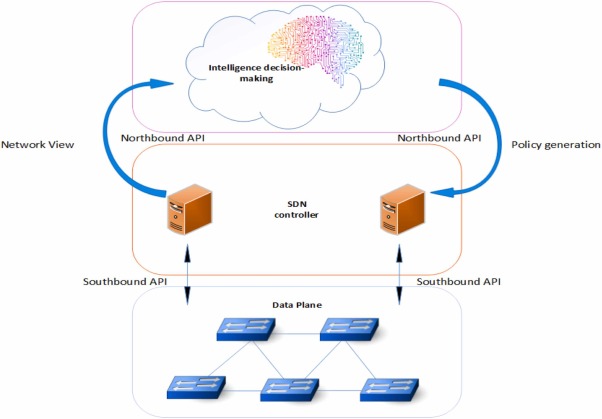
The solver connects to multiple blockchain nodes and decentralized exchange APIs. It aggregates order book data, mempool status, and gas price trends in milliseconds. This real-time feed provides the raw intelligence needed for immediate decision-making.
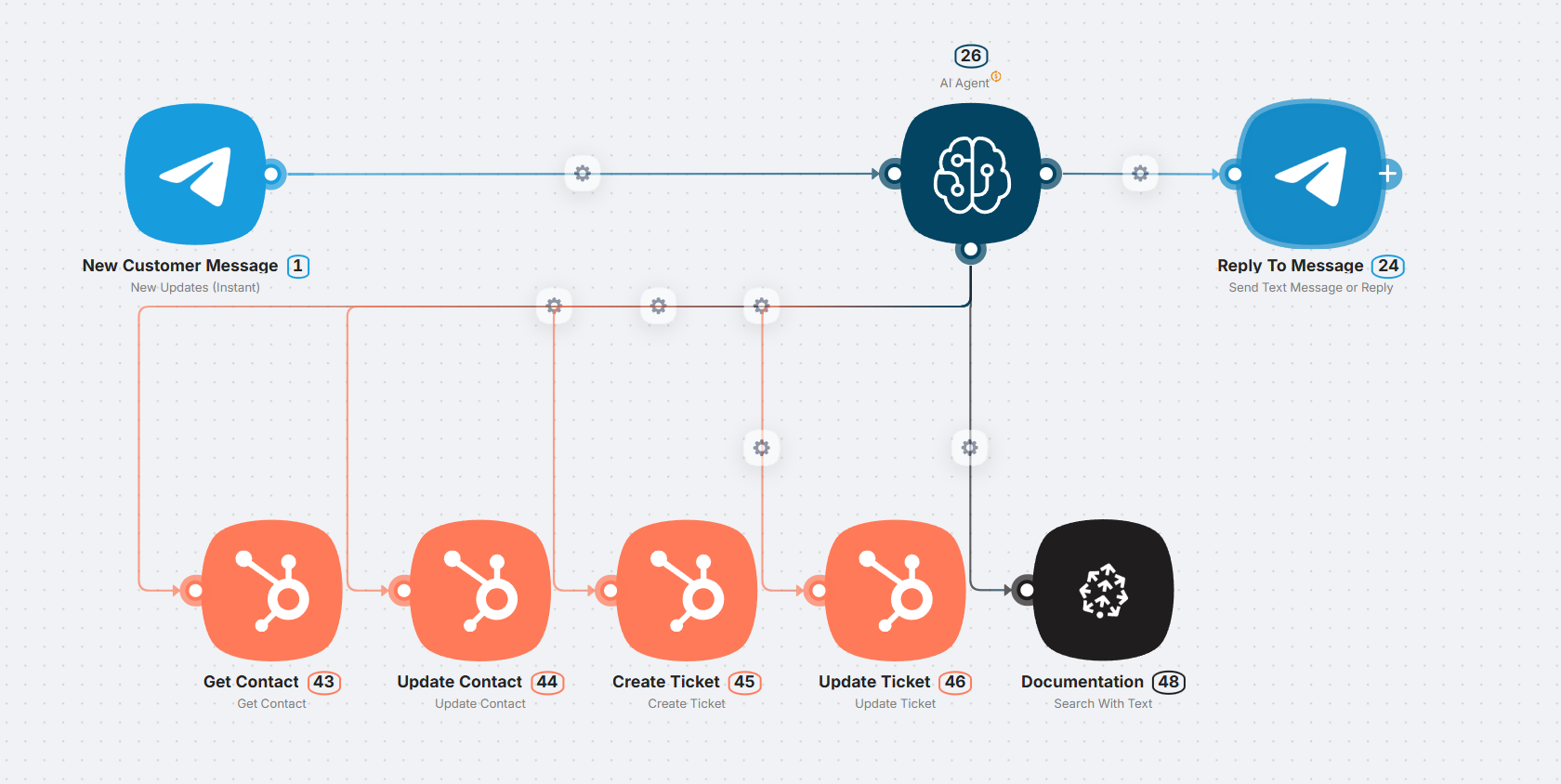
The router analyzes the transaction payload to determine the user's goal. Is this a simple swap, a complex multi-hop transfer, or an arbitrage opportunity? Accurate intent classification ensures the solver applies the correct routing logic, avoiding unnecessary computational overhead.
Once the intent is clear, the solver calculates the optimal path through available liquidity pools. It compares rates across DEXs, considers gas fees, and simulates the transaction to predict the final output. This step is critical for avoiding MEV (Maximal Extractable Value) attacks that target predictable routing patterns.
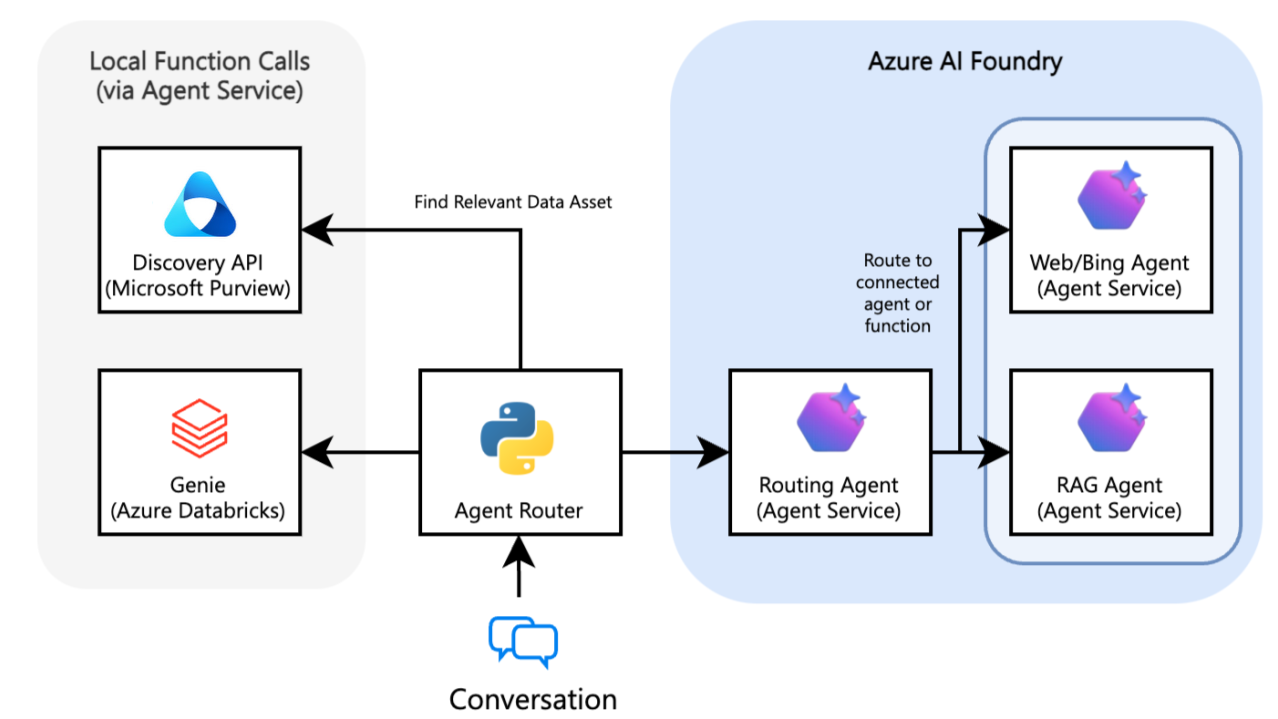
The solver submits the optimized transaction to the blockchain. It monitors the mempool to ensure the transaction is included in the next block at the best possible price. If conditions change rapidly, the router can abort or re-route the transaction to prevent losses.
This mechanical precision transforms routing from a static lookup into a dynamic, adaptive process. By continuously learning from real-time network feedback, solver routers maintain their edge in an increasingly competitive landscape.
MEV protection through intelligent routing
Maximal Extractable Value (MEV) extraction relies on identifying high-value transactions in the mempool and front-running them. Traditional routing exposes transaction signatures, allowing bots to predict outcomes and capture value. AI agent routing mitigates this risk by obscuring intent and splitting transactions before they reach the public broadcast layer.
The core mechanism is intent classification. Instead of broadcasting a raw transaction, the AI agent analyzes the request to determine the specific action required. This allows the system to apply privacy-preserving techniques, such as zero-knowledge proofs or private relays, ensuring that the transaction's purpose remains hidden from MEV bots until it is included in a block.
Splitting transactions further reduces exposure. Large orders are broken into smaller, anonymized chunks. Each chunk is routed through a different solver or liquidity provider. This fragmentation prevents MEV bots from identifying the full scope of the trade, making it significantly harder to execute profitable front-running strategies. The result is a more efficient market where value is captured by liquidity providers rather than extractors.
This approach shifts the balance of power. Solvers compete on execution quality rather than information asymmetry. As AI agents become more sophisticated, the cost of MEV extraction rises, making it less profitable for bots to target these transactions. The network benefits from reduced slippage and more accurate price discovery.
Choosing the right solver router tool
Evaluating a solver router requires looking past the marketing copy to the underlying architecture. The tool must handle intent classification accurately while minimizing latency. A router that adds significant overhead to the transaction path defeats the purpose of optimization.
Evaluation Checklist
- Latency benchmarks: Verify end-to-end routing time under load. High latency increases the window for front-running attacks.
- MEV protection: Ensure the router supports private transaction pools or flashbots integration to shield user intent.
- Integration complexity: Check for SDK support and documentation clarity. Complex integration delays deployment and increases error risk.
- Fallback mechanisms: The system must handle misclassified intents gracefully without dropping the transaction.
Routing pitfalls to avoid
Even robust solver architectures fail when the intent classification layer is overextended. A common mistake is routing simple, deterministic queries through heavy LLM endpoints. This adds latency and cost without improving accuracy. Use a strict keyword or regex match for basic commands before invoking a neural solver.
Another frequent error is ignoring multi-hop reasoning. If a user request requires context from a previous turn, the router must maintain state. Failing to pass this context to the downstream agent results in fragmented responses. Ensure your routing logic explicitly handles session continuity.
Finally, avoid hardcoding routing rules for edge cases. As your agent ecosystem grows, static rules become brittle. Implement a fallback mechanism where uncertain queries are directed to a general-purpose model or a human-in-the-loop queue. This prevents the system from crashing on novel inputs.
Frequently asked questions about solver routers
How does a solver router differ from a standard DEX aggregator? A standard aggregator simply finds the best price across pools. A solver router uses AI agents to classify the user's intent before execution. It evaluates complex variables like slippage tolerance and MEV risk, then delegates the transaction to specialized solvers that can optimize for speed or cost rather than just price.
What is intent classification in this context? Intent classification is the process where the router analyzes the request parameters to determine the goal. For example, it distinguishes between a high-frequency arbitrage trade and a one-time large swap. This allows the system to apply different routing policies and solver strategies tailored to the specific risk profile of the transaction.
Can solver routers prevent MEV attacks? Yes, by routing transactions through private channels or using specialized solvers designed to bundle trades invisibly. The AI agent evaluates the likelihood of front-running and directs the order to a solver that can execute without exposing the trade to the public mempool, significantly reducing MEV exposure.
No comments yet. Be the first to share your thoughts!