
Why Wi-Fi 7 matters in 2026
The transition from Wi-Fi 6E to Wi-Fi 7 represents the most significant shift in home networking since the move to dual-band. While Wi-Fi 6E opened the door to the 6 GHz spectrum, Wi-Fi 7 fully leverages it, offering theoretical speeds up to 46 Gbps. This isn't just about faster downloads; it is about handling the dense, real-time traffic of modern smart homes without lag.
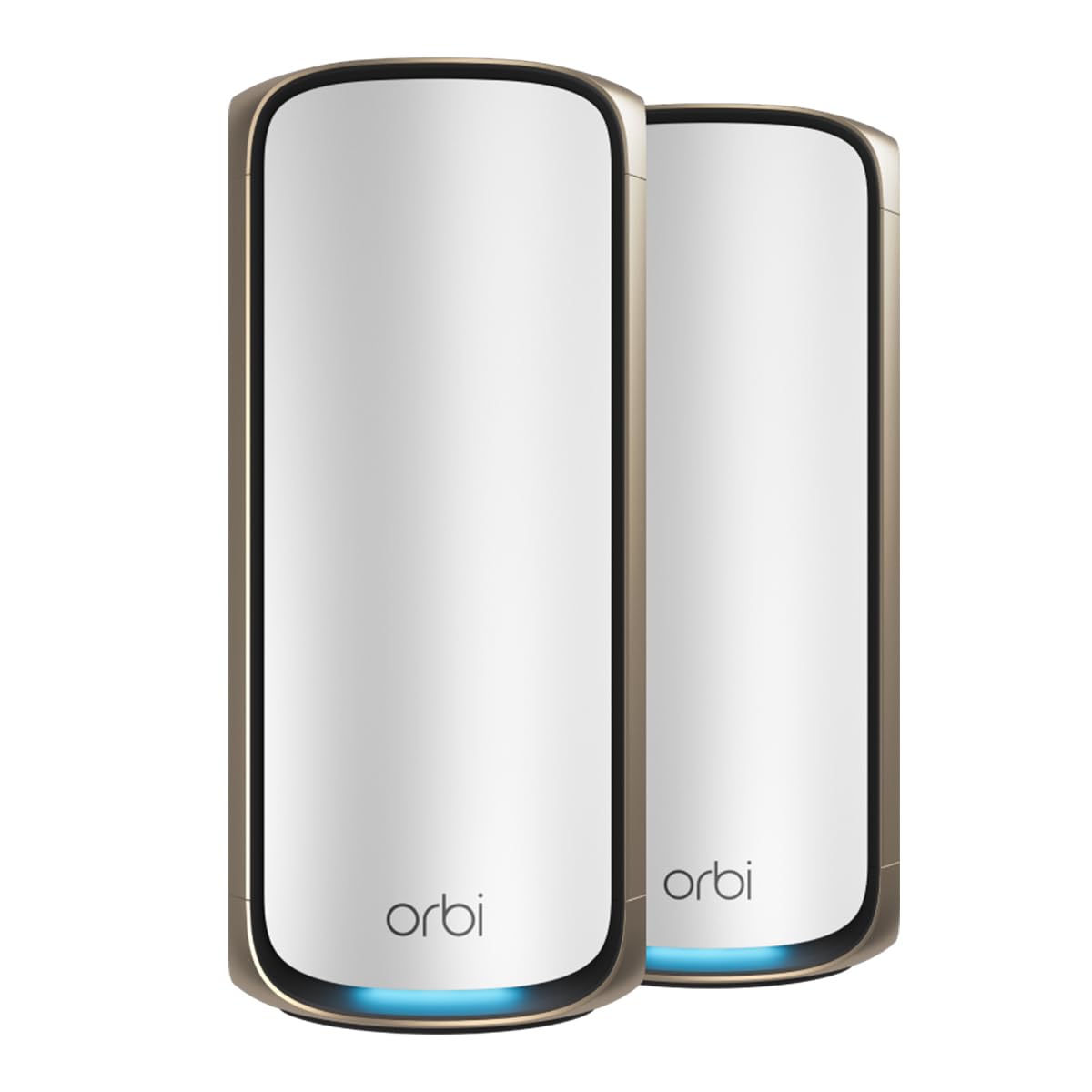
Mesh systems have become the standard for whole-home coverage because single routers simply cannot push these speeds through multiple walls. Wi-Fi 7 introduces Multi-Link Operation (MLO), allowing devices to connect to multiple bands simultaneously. This reduces latency and prevents the "dead zone" drop-offs that plagued earlier generations.
As we move through 2026, the market is shifting toward these robust mesh networks. Even as Wi-Fi 8 prototypes appear at CES, Wi-Fi 7 remains the practical sweet spot for reliability and performance. The following recommendations focus on the best mesh systems that deliver this next-level connectivity.
Best overall Wi-Fi 7 mesh pick
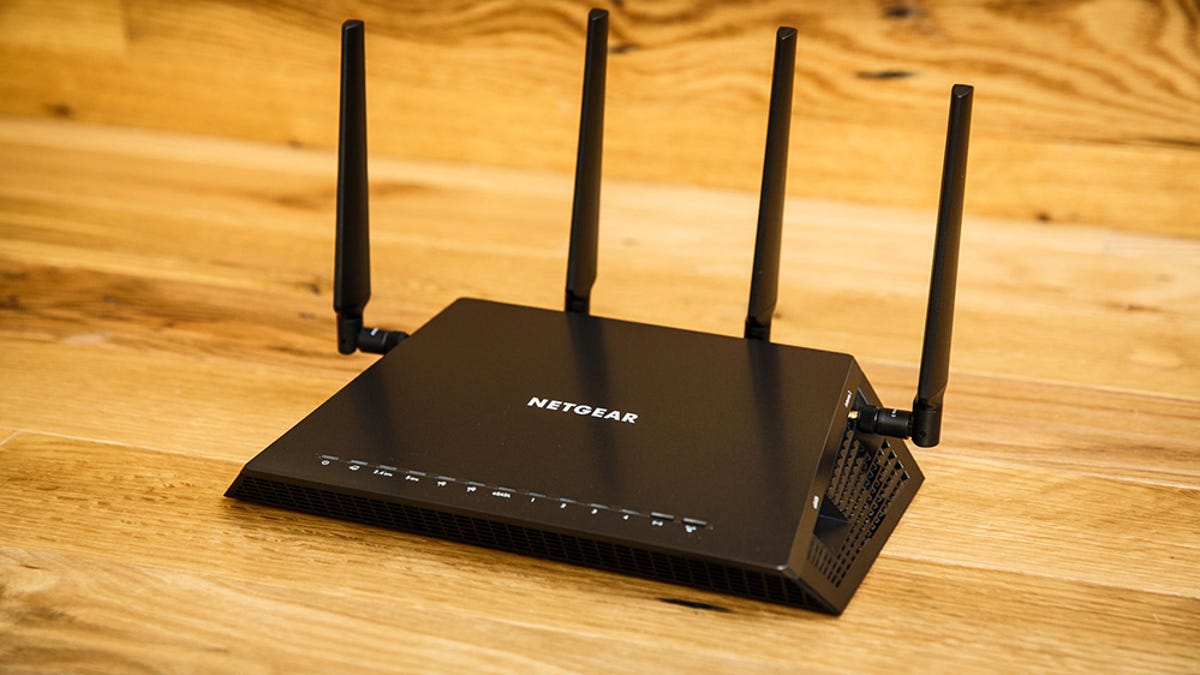
The TP-Link Archer AXE75 stands out as the most balanced choice for households upgrading to Wi-Fi 7. It delivers the high throughput of the latest standard without the premium price tag often attached to flagship mesh systems. For most users, this router offers the best mix of speed, range, and ease of use.
This tri-band router handles heavy smart home loads effortlessly. With dedicated bands for backhaul and client connections, it maintains stable speeds even when multiple 4K streams or gaming sessions are running simultaneously. The setup process is straightforward, guided by an app that walks you through placement and optimization.
While it lacks the expandable node system of true mesh kits, its range is sufficient for most single-family homes. If you need coverage for a large or multi-story property, you might prefer a dedicated mesh system, but for a central hub that just works, the Archer AXE75 is a reliable anchor.


As an Amazon Associate, we may earn from qualifying purchases.
Best budget-friendly options
You don't need flagship Wi-Fi 7 speeds to future-proof your home. For most households, entry-level Wi-Fi 7 or high-end Wi-Fi 6E mesh systems provide more than enough throughput for streaming, gaming, and smart home automation. These budget-friendly routers strike a balance between performance and cost, delivering reliable coverage without the premium price tag of top-tier models.
The 2026 router landscape shows that Wi-Fi 6E adoption is maturing, making older standards increasingly affordable. While Wi-Fi 7 offers 320 MHz channels and MLO for lower latency, many users will find that the 6 GHz band in Wi-Fi 6E systems is sufficient for high-bandwidth tasks like 4K streaming. The real value in budget mesh networks lies in consistent whole-home coverage and easy management, rather than raw speed benchmarks.
When selecting a budget mesh system, prioritize models with at least two bands and strong antenna arrays to maintain signal integrity through walls. Look for units that support WPA3 security and automatic firmware updates to keep your network secure without manual intervention. These features are standard in most mid-range options from major brands like TP-Link, ASUS, and Netgear.


As an Amazon Associate, we may earn from qualifying purchases.
ComparisonTable
{
  "columns": [
    {"key": "model", "label": "Model"},
    {"key": "standard", "label": "Wi-Fi Standard"},
    {"key": "max_speed", "label": "Max Speed"},
    {"key": "ideal_for", "label": "Ideal For"}
  ],
  "rows": [
    {"model": "TP-Link Archer AX55", "standard": "Wi-Fi 6", "max_speed": "AX3000", "ideal_for": "Small apartments"},
    {"model": "ASUS RT-AX1800S", "standard": "Wi-Fi 6", "max_speed": "AX1800", "ideal_for": "Basic streaming"},
    {"model": "Netgear Nighthawk RAX40", "standard": "Wi-Fi 6", "max_speed": "AX5400", "ideal_for": "Gaming on a budget"}
  ]
}
These options prove that you don't need to spend hundreds of dollars to get a robust network. By focusing on essential features like coverage area and device capacity, you can build a reliable smart home infrastructure that handles today's demands while remaining ready for the next wave of Wi-Fi 7 adoption.
What to look for in a 2026 router
Choosing the right Wi-Fi 7 mesh system requires looking beyond raw speed. While gigabit speeds are becoming standard, the real differentiators in 2026 are how well the router handles congestion, secures your data, and supports the dozens of devices in a modern smart home.
Tri-band support and dedicated backhaul
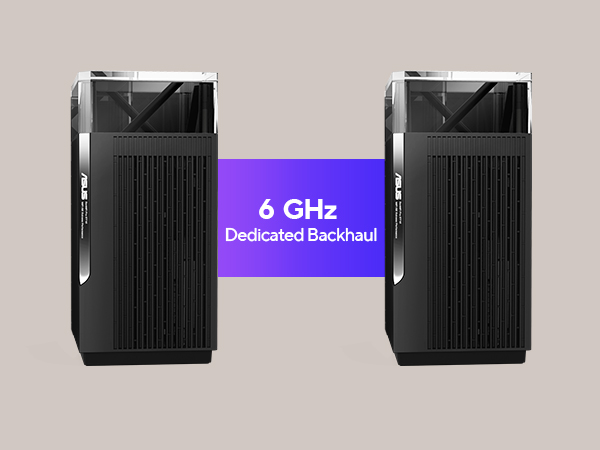
Tri-band routers dedicate one radio band exclusively for communication between mesh nodes. This "backhaul" keeps your main Wi-Fi bands free for phones, laptops, and streaming devices. Without a dedicated backhaul, your mesh system shares bandwidth, which can cause bottlenecks in larger homes or when multiple users are online simultaneously.
WPA3 security standards
Security is no longer optional. WPA3 is the current standard for Wi-Fi encryption, offering stronger protection against brute-force attacks and better security for public networks. Ensure your 2026 router supports WPA3, as older WPA2 protocols are increasingly vulnerable. Some high-end models now offer WPA3-Enterprise features for enhanced network isolation.
Smart home device capacity
The average home now has 20-50 connected devices, from smart lights to security cameras. Look for routers with high-capacity processors and MU-MIMO technology, which allows the router to communicate with multiple devices at once. This prevents lag when dozens of IoT devices are active simultaneously.
-
Tri-band with dedicated backhaul
-
WPA3 security support
-
High device capacity (MU-MIMO)
-
Wi-Fi 7 (802.11be) compatibility

As an Amazon Associate, we may earn from qualifying purchases.
Frequently asked questions about routers
The landscape of home networking is shifting as Wi-Fi 7 becomes the standard for 2026. As smart homes grow more complex, understanding how long your hardware lasts and what regulations might change your setup is essential for future-proofing your investment.
What is the future of Wi-Fi 7 routers? The wireless router market is projected to grow significantly through 2035, driven by the need to handle high-speed internet and a proliferation of smart home devices. We are seeing a clear expansion into IoT-integrated solutions and subscription-based security services, making modern routers more than just connectivity hubs.
Are routers being discontinued or banned? Recent FCC actions target specific foreign-made devices, but these bans generally apply only to new approvals. If a router is currently approved and on the shelf, it remains legal to buy and use. Existing devices will continue to function, so you do not need to panic-swap your current hardware unless it fails.
How long should a Wi-Fi 7 mesh system last? While manufacturers often suggest replacing routers every three to five years, a Wi-Fi 7 mesh network is built for longevity. With support for future Wi-Fi standards and robust beamforming technology, these systems can comfortably serve a smart home for five to seven years before performance lags behind ISP speeds.
No comments yet. Be the first to share your thoughts!