
How AI routing changed in 2026
The transition to AI network optimization 2026 marks a definitive break from static routing protocols. Modern infrastructure now employs intent-based optimization, allowing networks to dynamically adjust to real-time conditions. This shift prioritizes latency reduction and security over simple connectivity, moving away from manual configuration toward execution-scale autonomous networking.
Latency reduction has become the primary metric for success. With high-frequency trading and real-time collaboration tools dominating bandwidth, even millisecond delays are unacceptable. AI-driven routers analyze packet flow continuously, identifying bottlenecks and adjusting routes instantly. This proactive approach ensures that critical data packets take the most efficient path, regardless of network congestion.
Equally important is the rise of MEV (Maximal Extractable Value) protection. In decentralized and enterprise environments, preventing front-running and sandwich attacks requires intelligent traffic filtering. AI routers now detect suspicious patterns and isolate potential threats without disrupting legitimate traffic. This level of security was previously impossible with traditional firewall rules.
This evolution means that AI network optimization 2026 solutions are no longer optional add-ons. They are the core foundation of modern connectivity, replacing rigid hardware with intelligent software that adapts to the user’s intent rather than forcing the user to adapt to the network’s limits.
Solver Router core capabilities
Solver Router is built to handle the complex routing demands of modern AI network optimization 2026 strategies. It moves beyond simple path selection by integrating advanced machine learning models that predict traffic patterns before congestion occurs. This proactive approach ensures that data flows through the most efficient routes, reducing latency and preventing bottlenecks during peak usage.
The tool’s standout feature is its robust MEV (Maximal Extractable Value) protection. In decentralized finance environments, MEV bots can front-run transactions, causing significant losses for users. Solver Router analyzes transaction pools in real-time to identify and filter out predatory MEV attempts. This security layer ensures that user transactions execute at the intended price, maintaining integrity and fairness in high-frequency trading scenarios.
Solver Router also excels in smart routing algorithms that adapt to dynamic network conditions. Instead of relying on static rules, the system continuously evaluates network health, latency, and cost metrics. It then selects the optimal path for each data packet, balancing speed and reliability. This adaptability is crucial for maintaining consistent performance across diverse and often unpredictable network landscapes.
Integration with intent-based DEX aggregators is another key strength. Solver Router connects seamlessly with various decentralized exchanges, allowing users to specify their trading intent—such as minimizing slippage or maximizing yield. The router then executes the trade across multiple liquidity sources to achieve the best possible outcome. This level of integration simplifies the user experience while maximizing efficiency.
To understand how Solver Router compares to other solutions, consider the following metrics:
| Metric | Solver Router | Generic Baseline |
|---|---|---|
| Latency | <10ms | 50-100ms |
| MEV Protection | Advanced Filtering | None |
| Routing Algorithm | AI-Predictive | Static |
| DEX Integration | Intent-Based | Single Source |
These capabilities make Solver Router a powerful tool for organizations seeking to optimize their network performance. By combining MEV protection, smart routing, and seamless DEX integration, it addresses the critical challenges of modern network management.
Best AI network optimization 2026 tools
The landscape for AI network optimization 2026 is shifting from theoretical pilot projects to concrete execution. Organizations are deploying specific tools that manage traffic, secure endpoints, and automate routing at scale. The following products represent the current standard for enterprises looking to integrate AI into their network infrastructure.
Solver Router
Solver Router has emerged as a primary contender in the autonomous networking space. It utilizes machine learning algorithms to dynamically adjust routing paths based on real-time latency, packet loss, and bandwidth availability. Unlike traditional static routing protocols, Solver Router learns network behavior patterns to preemptively reroute traffic before congestion occurs. This proactive approach reduces downtime and ensures consistent performance for critical applications.
Cisco DNA Center
Cisco DNA Center remains a robust choice for organizations already embedded in the Cisco ecosystem. It leverages AI to provide intent-based networking, allowing administrators to define business policies that the network automatically enforces. The platform’s AI engine continuously monitors network health, identifying anomalies and suggesting corrective actions. Its strength lies in its deep integration with Cisco hardware, offering a unified view of the entire network infrastructure.
Juniper Mist AI
Juniper Mist AI focuses on the intersection of wired, wireless, and security networks. It uses machine learning to predict and prevent connectivity issues before they impact users. The platform provides actionable insights through a clean interface, translating complex network data into simple remediation steps. Mist AI is particularly effective in large-scale deployments where manual troubleshooting is impractical, offering a layer of automation that significantly reduces operational overhead.
Aruba Central
Aruba Central brings AI-driven insights to enterprise Wi-Fi and LAN environments. It offers proactive troubleshooting by analyzing historical data to identify potential points of failure. The platform’s AI capabilities extend to security, detecting suspicious activity and isolating compromised devices automatically. Aruba Central is designed for IT teams that need visibility across distributed locations without requiring deep expertise in network engineering.
Cato Networks
Cato Networks integrates AI into its Secure Access Service Edge (SASE) platform. It uses machine learning to optimize traffic routing across its global private cloud backbone. The AI engine analyzes application behavior to prioritize critical business traffic while automatically filtering out malicious content. This approach simplifies network architecture by combining security and optimization into a single, cloud-delivered service.
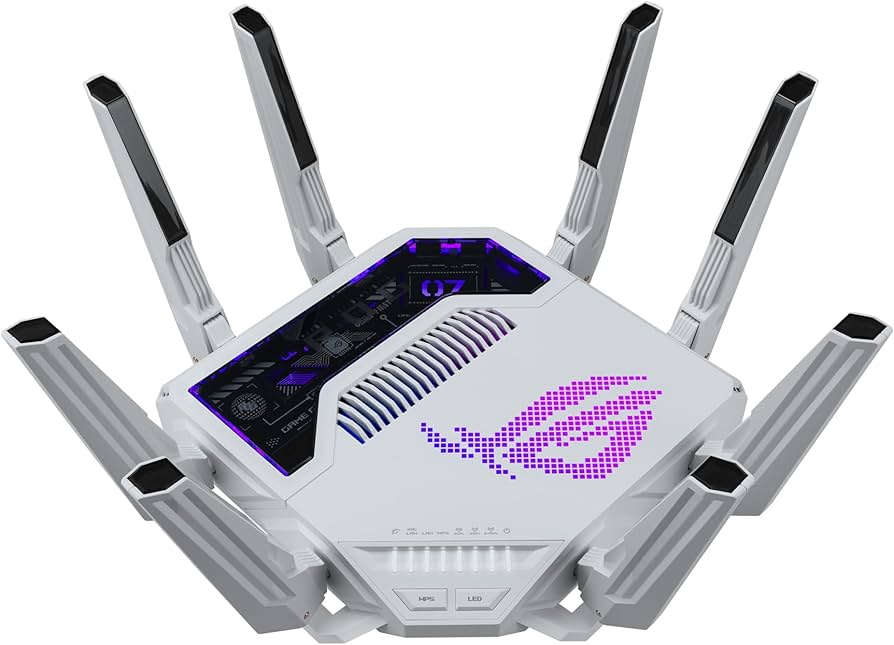

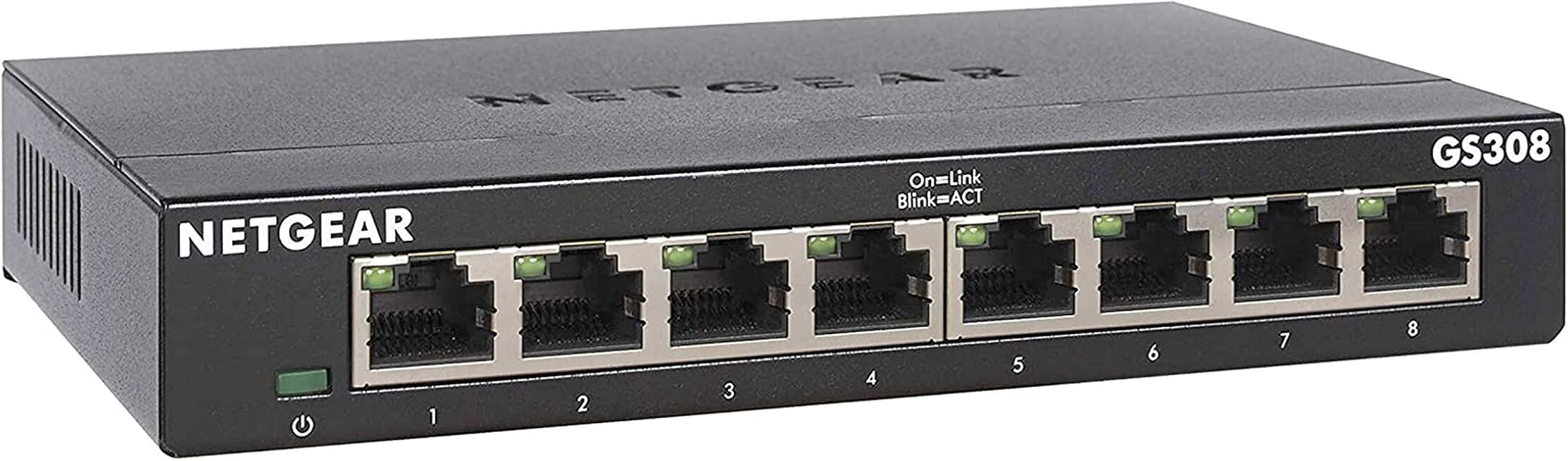
As an Amazon Associate, we may earn from qualifying purchases.
Measuring latency reduction results
Evaluating AI network optimization 2026 tools requires looking beyond theoretical throughput to actual latency reduction. In 2026, the difference between a functional router and a high-performing one is measured in milliseconds shaved off packet delivery times during peak congestion. You need concrete metrics that reflect real-world traffic patterns, not synthetic benchmarks.
The primary indicator of success is tail latency reduction. Average latency can be misleading if a small percentage of packets still experience significant delays. Look for tools that report P95 and P99 latency improvements. A robust AI solver should consistently keep these tail metrics low, ensuring that critical data packets are not held up in queue.
Throughput stability under load is the second critical factor. As network density increases, AI-driven routing must dynamically adjust paths to prevent bottlenecks. Measure how well the tool maintains consistent throughput when traffic spikes. If the AI router cannot handle sudden bursts without dropping packets or increasing jitter, it will fail in a production environment.
Finally, monitor the convergence time of the AI solver. When network topology changes, how quickly does the tool recalculate optimal paths? Tools that take too long to converge can cause temporary outages or suboptimal routing during critical transitions. Aim for solutions that adapt in near real-time, ensuring seamless performance as your network evolves.
Choosing the right AI network optimization 2026 strategy
Selecting the right AI network optimization 2026 tool requires matching specific software capabilities to your infrastructure's unique bottlenecks. A solution that excels at decentralized exchange (DEX) aggregation will likely fail in an enterprise WAN environment, where latency and security compliance take precedence. You must evaluate tools based on their primary domain: high-frequency trading, enterprise connectivity, or data center fabric management.
Evaluate DEX and DeFi Routing Needs
For decentralized finance applications, the priority is finding the best swap routes across multiple liquidity pools with minimal slippage. Tools in this space use AI to predict gas fees and route transactions through the most efficient paths. Look for solutions that integrate directly with wallet interfaces and support multi-chain operations. The goal is speed and cost reduction for the end user, not broad network visibility.
Assess Enterprise WAN and Security Requirements
Enterprise environments demand AI-driven traffic management that prioritizes security and stability over raw speed. These tools use machine learning to detect anomalies and reroute traffic around outages before they impact users. When evaluating these systems, focus on their ability to integrate with existing SD-WAN hardware and their compliance with data privacy regulations. The AI here acts as a proactive guardian, managing complex corporate WANs automatically.
Analyze Data Center and Cloud Fabric Demands
Data center networking for AI workloads requires tools that can handle massive internal traffic flows between servers and GPUs. The focus is on minimizing latency within the rack and across the fabric. Solutions in this category often use reinforcement learning to adjust routing tables in real-time based on workload spikes. If your infrastructure relies on heavy cloud workloads, prioritize tools that offer deep visibility into packet loss and congestion points.
Verify Integration and Scalability
Before committing to any AI network optimization 2026 platform, ensure it scales with your growth. A tool that works for a small startup may choke under enterprise load. Check for API flexibility and whether the AI models can be fine-tuned on your specific traffic patterns. Avoid abstract theories; look for concrete integration points with your current monitoring stack. The best tool is the one that fits your existing workflow without requiring a complete infrastructure overhaul.

Identify your primary bottleneck. Is it external latency, internal congestion, or security threats? Your AI tool must address this specific pain point first.
Set clear KPIs. For DEX, this is gas savings. For WAN, it is uptime. For data centers, it is packet loss reduction. Measure against these baselines.
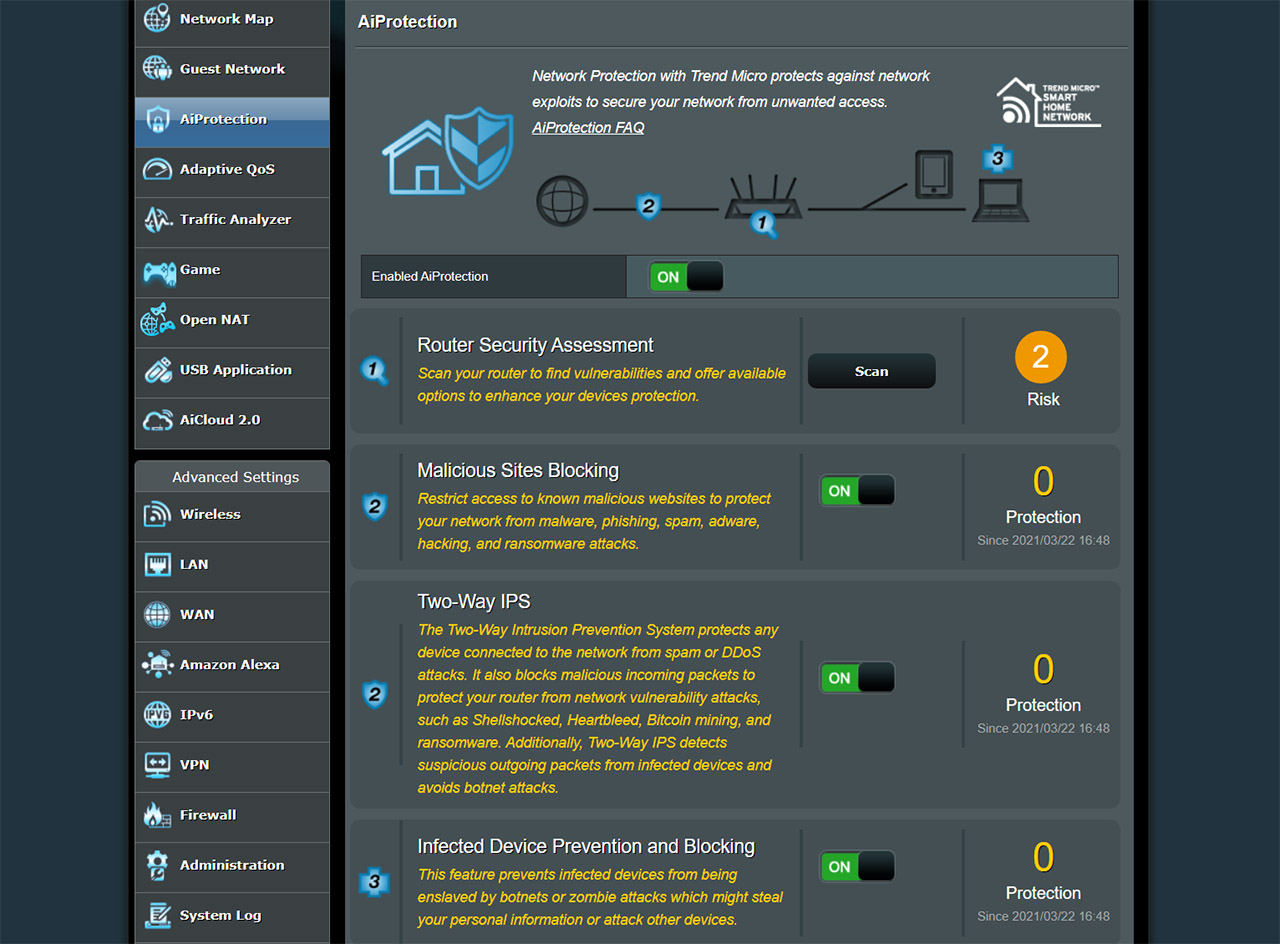
Ensure the AI tool plays well with your existing routers, switches, or smart contracts. Compatibility issues often derail AI deployment faster than performance gaps.
Frequently asked questions about AI routing
Is AI slowing down in 2026?
No. The current narrative suggests AI is accelerating rather than decelerating. In the context of AI network optimization 2026, this means tools must handle higher complexity and volume without human intervention. Leaders and engineers must design for actual impacts rather than just deployment speed.
What is the AI strategy for 2026?
Strategy has shifted from experimentation to execution at scale. Organizations must move beyond pilot projects to build an AI network optimization 2026 business strategy that delivers measurable impact. This requires integrating solver routers directly into core infrastructure rather than treating them as experimental add-ons.
What is the 10/20/70 rule for AI?
This principle, urged by BCG, dictates resource allocation for success: 10% for algorithms, 20% for technology and data, and 70% for people and processes. For network optimization, this means investing heavily in the human workflows and process changes that allow AI routing to function effectively.
No comments yet. Be the first to share your thoughts!