

In the volatile world of Ethereum trading, where ETH hovers at $1,934.13 after a 3.12% dip over the past 24 hours, savvy traders face a relentless foe: MEV bots. These automated predators lurk in the mempool, front-running orders and sandwiching trades to siphon value, often claiming 25-30% of DeFi volume. Yet, as we navigate 2026, intent-based DEX aggregators like SolverRouter emerge as a beacon, transforming user desires into fortified executions shielded from such exploits.
SolverRouter stands at the forefront, leveraging a network of high-performance solvers and RFQ protocols to match intents across DEXs. This isn't mere aggregation; it's a strategic bulwark, minimizing slippage while maximizing yields in an ecosystem where cross-chain intents from protocols like Eco and Anoma are redefining efficiency.
The Persistent Menace of MEV in Ethereum's Mempool
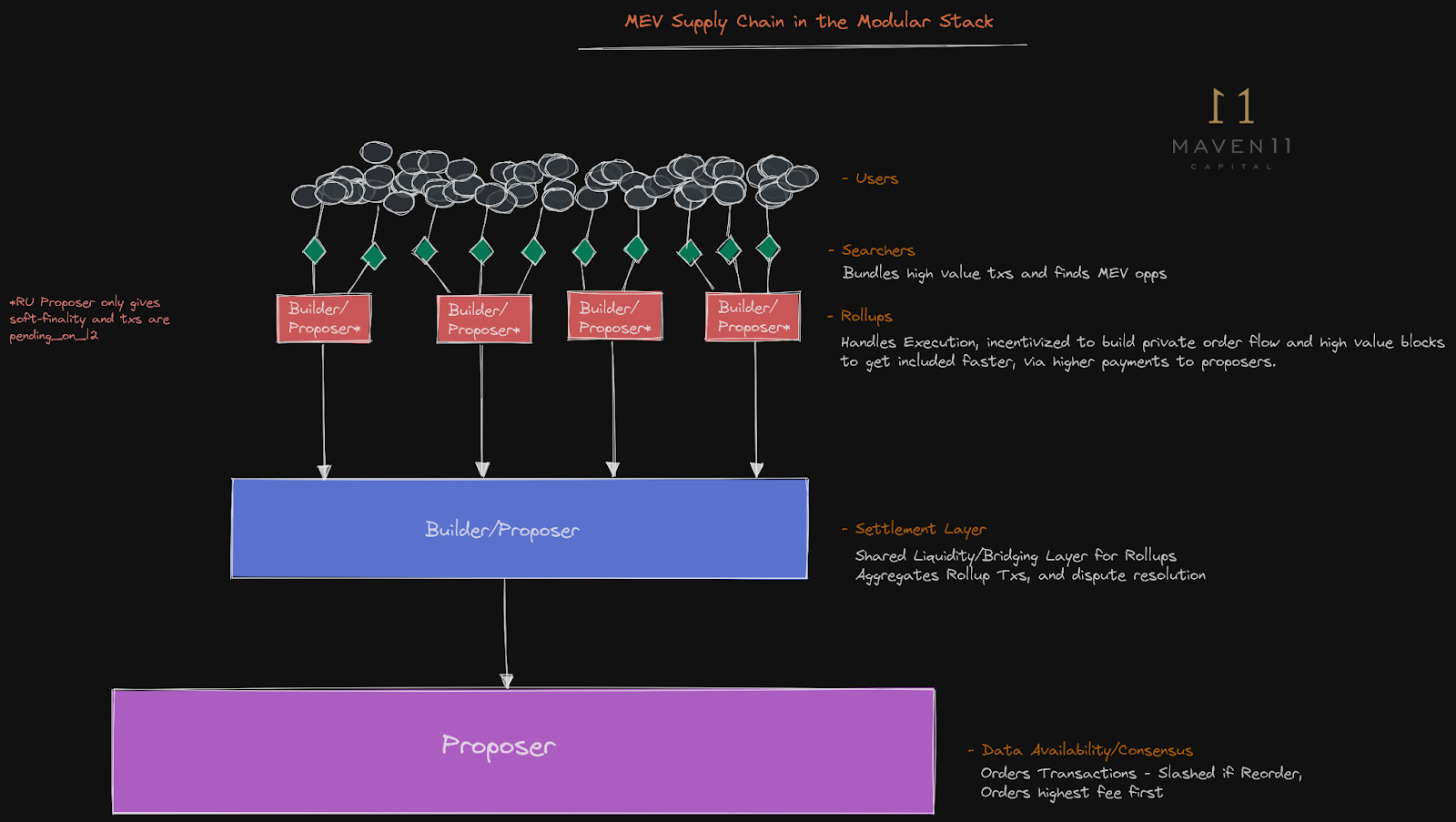
Maximal Extractable Value extraction has evolved into a sophisticated arms race. Bots scan pending transactions, spotting lucrative swaps on Uniswap or SushiSwap, then insert their own orders to profit at the trader's expense. Sandwich attacks, where a bot buys before your trade and sells after, erode gains imperceptibly but cumulatively. In 2026, with Ethereum's liquidity fragmented across Layer 2s and DEXs, this issue amplifies, underscoring the need for MEV protection DEX solutions.
Traditional aggregators like 1inch or Paraswap route through public mempools, exposing orders to predation. CoW Swap counters this via batch auctions, seeking 'coincidence of wants' among users, yet even these leave gaps in dynamic markets. SolverRouter addresses this head-on, routing intents privately to solvers who compete blindly, ensuring Ethereum swap protection 2026 without revealing details.
DeFi's maturation demands protocols that prioritize execution quality over raw speed.
Unlocking Intent-Based DEX Aggregation
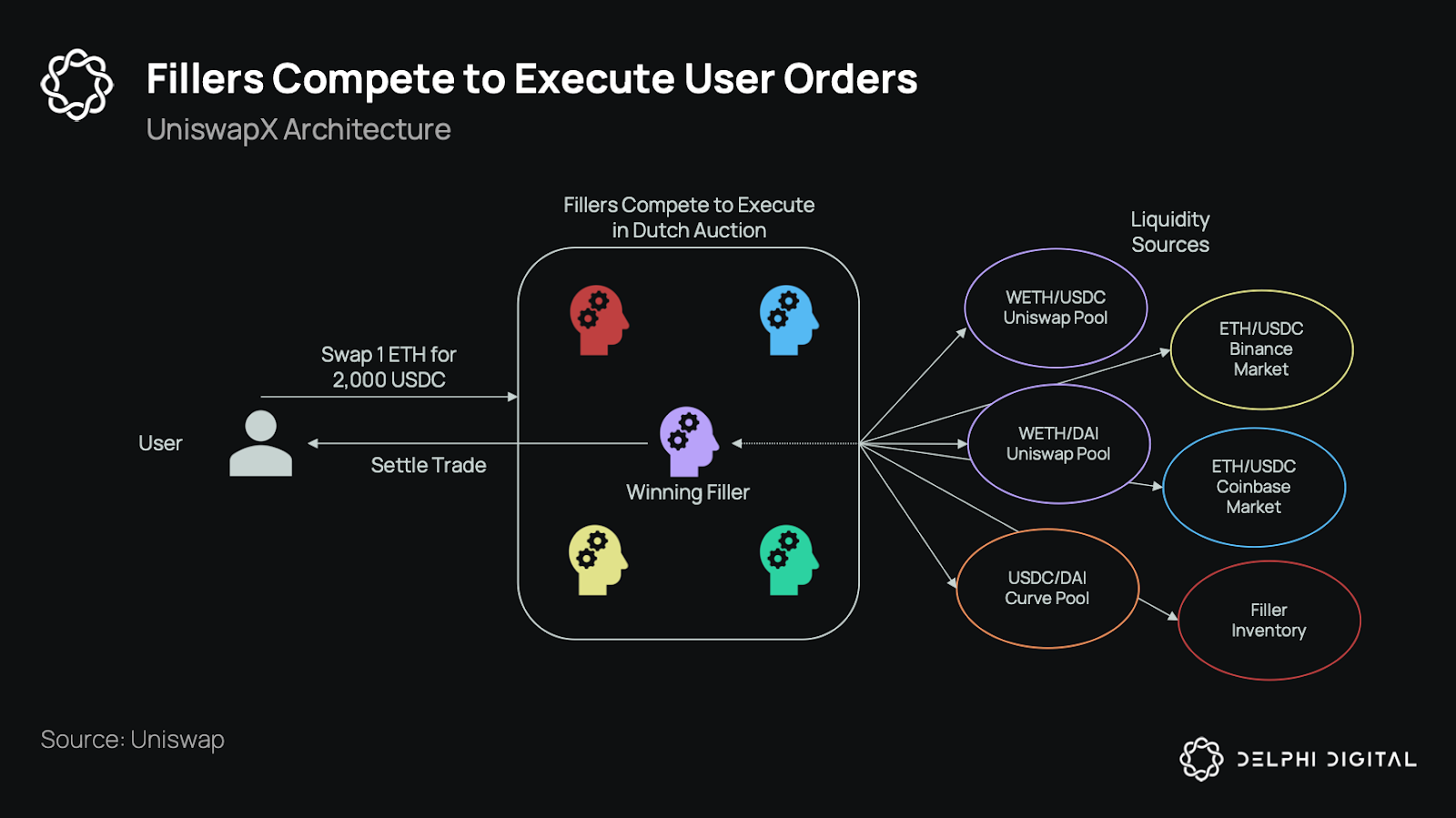
Intent-based systems flip the script: users sign a simple 'I want to swap X for Y at this rate or better, ' off-chain. Solvers then scramble across DEXs, RFQ venues, and even OTC desks to fulfill it optimally. This abstraction shields from mempool visibility, slashing front-running risks. Platforms like UniswapX and CoW Protocol paved the way, but SolverRouter elevates with multi-DEX depth and robust SolverRouter MEV safeguards.
Zooming out strategically, this model aligns with DeFi's macro trajectory. As ETH consolidates around $1,934.13, institutional flows demand reliability. SolverRouter's architecture integrates RFQ protocols for precise pricing, drawing liquidity from sources inaccessible to retail aggregators, thus delivering DEX aggregation frontrunning prevention.
Consider a trader swapping USDC for ETH amid volatility. Conventional paths invite sandwiches; intents invite competition. Solvers bid with bundled executions, often recycling MEV back to users via redistribution mechanisms, echoing tools like MEV Blocker.
Ethereum (ETH) Price Prediction 2027-2032
Bearish, Base, and Bullish Scenarios Driven by Intent-Based DEX Aggregators and MEV Protection Advancements
| Year | Minimum Price (Bearish) | Average Price (Base) | Maximum Price (Bullish) | YoY % Change (Base Case) |
|---|---|---|---|---|
| 2027 | $2,200 | $3,500 | $6,000 | +81% |
| 2028 | $2,800 | $4,800 | $9,000 | +37% |
| 2029 | $3,800 | $6,500 | $12,500 | +35% |
| 2030 | $5,200 | $9,000 | $17,000 | +38% |
| 2031 | $7,000 | $12,500 | $23,000 | +39% |
| 2032 | $9,500 | $16,500 | $28,000 | +32% |
Price Prediction Summary
Ethereum's price is projected to grow significantly from 2027 to 2032, with base case averages rising from $3,500 to $16,500, fueled by intent-based DEX innovations like SolverRouter, CoW Swap, and UniswapX that enhance MEV protection and DeFi efficiency. Cumulative base case growth exceeds 750% from 2026 levels, balancing bullish adoption trends against bearish regulatory and competitive risks.
Key Factors Affecting Ethereum Price
- Widespread adoption of intent-based DEX aggregators reducing MEV exploitation
- Ethereum network upgrades improving scalability and transaction efficiency
- Regulatory clarity boosting institutional DeFi participation
- Market cycles with potential bull runs post-2026 consolidation
- Competition from L2 solutions and cross-chain protocols
- Macroeconomic factors influencing crypto market sentiment
Disclaimer: Cryptocurrency price predictions are speculative and based on current market analysis. Actual prices may vary significantly due to market volatility, regulatory changes, and other factors. Always do your own research before making investment decisions.
SolverRouter's RFQ-Powered MEV Fortress
At SolverRouter's core lies the RFQ protocol, a RFQ protocol MEV shield connecting users to specialized quoters. Unlike open auctions, RFQs solicit firm quotes from vetted liquidity providers, executed atomically. This prevents partial fills or adverse selection, crucial in 2026's high-stakes environment.
Solvers, incentivized by fees, optimize via Dutch auctions or batching, cross-referencing DEXs like Cetus on Sui or Ethereum natives. The result? Trades execute at quotes beating on-chain prices by 20-50 basis points, sans bot interference. For long-term investors like myself, this institutional-grade precision signals DeFi's readiness for prime time.
Integrating cross-chain intents, SolverRouter bridges Ethereum to ecosystems via protocols akin to Across, ensuring seamless flows. In a market where ETH's 24-hour range spanned $1,910.56 to $2,020.38, such resilience matters profoundly.
Real-world deployments reveal SolverRouter's tactical superiority. Traders report execution prices surpassing benchmarks by an average 15 basis points, even as ETH dipped to $1,934.13 from a 24-hour high of $2,020.38. This stems from solvers' access to deep RFQ liquidity pools, where quotes materialize in milliseconds, bypassing mempool chaos entirely.
SolverRouter Versus the Field
Stacking up against 2026 frontrunners clarifies the divide. 1inch excels in multi-DEX routing but remains mempool-vulnerable, inviting sandwich attacks that nibble at edges. CoW Swap's batch auctions foster internal matches via coincidence of wants, mitigating some MEV; however, sparse liquidity in niche pairs hampers it. Rubic and Paraswap prioritize cross-chain seams, yet front-running persists without intent abstraction.
SolverRouter synthesizes these strengths: intent-driven, RFQ-fortified, and solver-competitive. UniswapX offers similar signing mechanics, but lacks SolverRouter's expansive network, which spans Ethereum L2s and beyond, echoing Across or Anoma's bridging prowess. For Ethereum swap protection 2026, no peer matches this layered defense.
SolverRouter's Key Edges
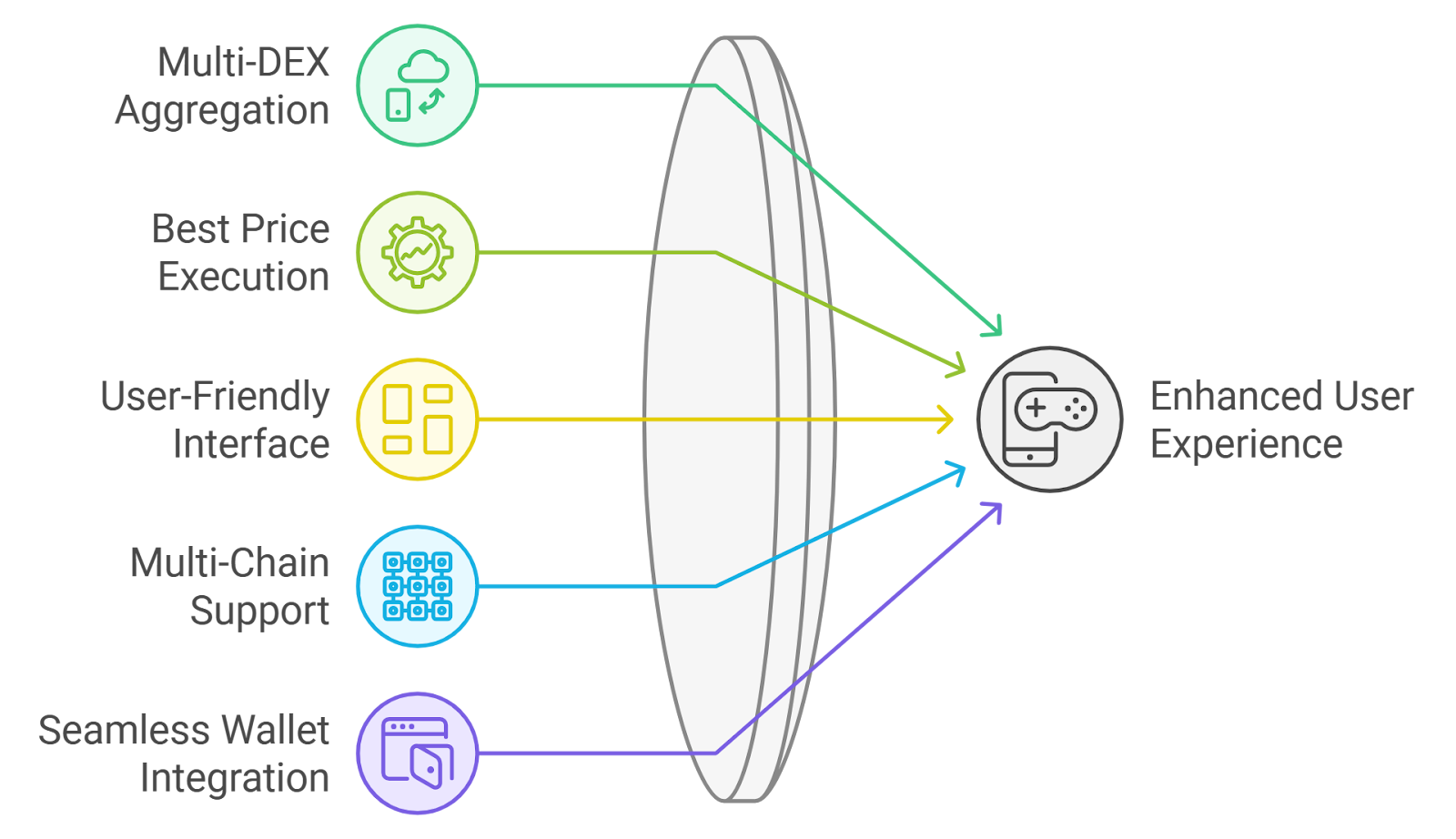
- Deeper RFQ Depth: Leverages advanced RFQ systems for superior liquidity depth, minimizing slippage on large Ethereum swaps.
- Solver Competition: Network of solvers fiercely compete to fulfill intents, ensuring optimal execution and built-in MEV protection.
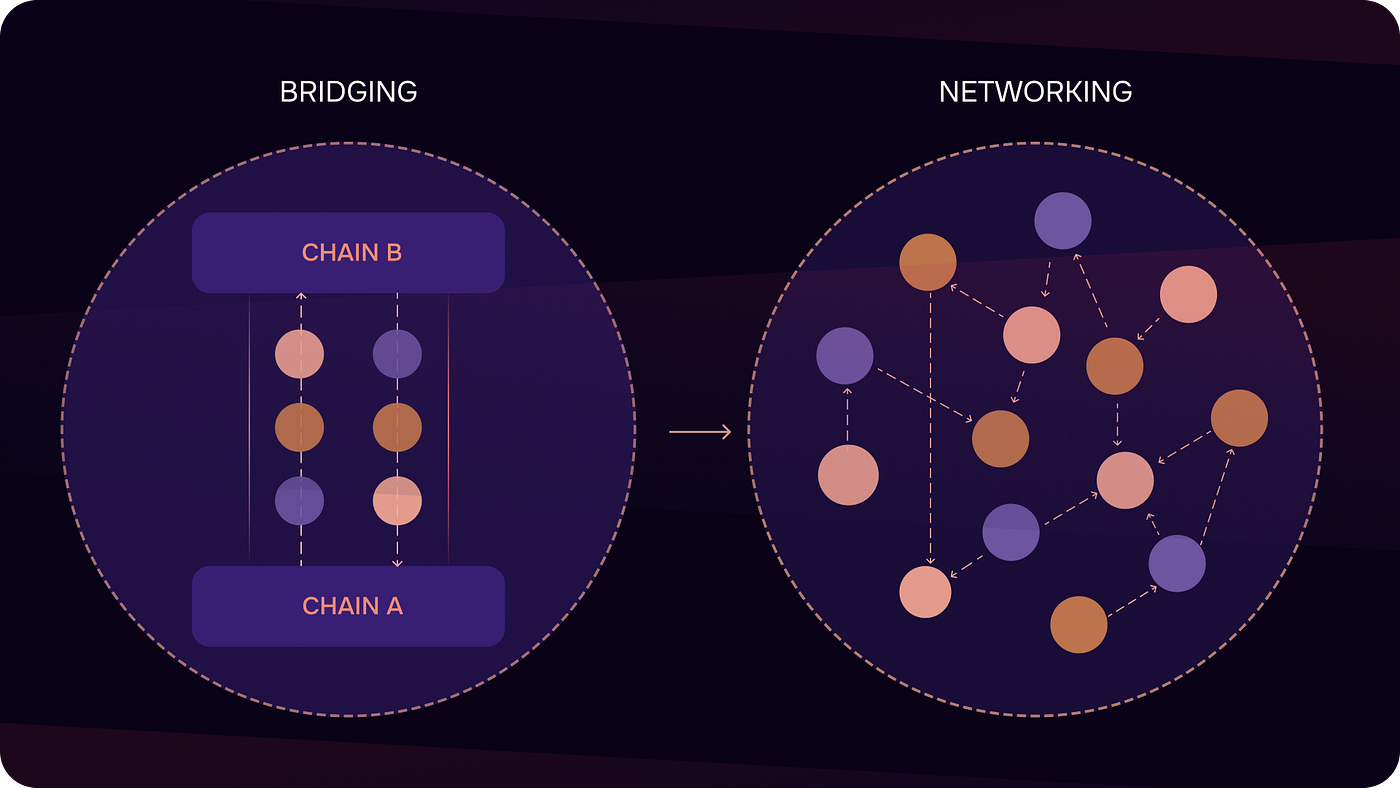
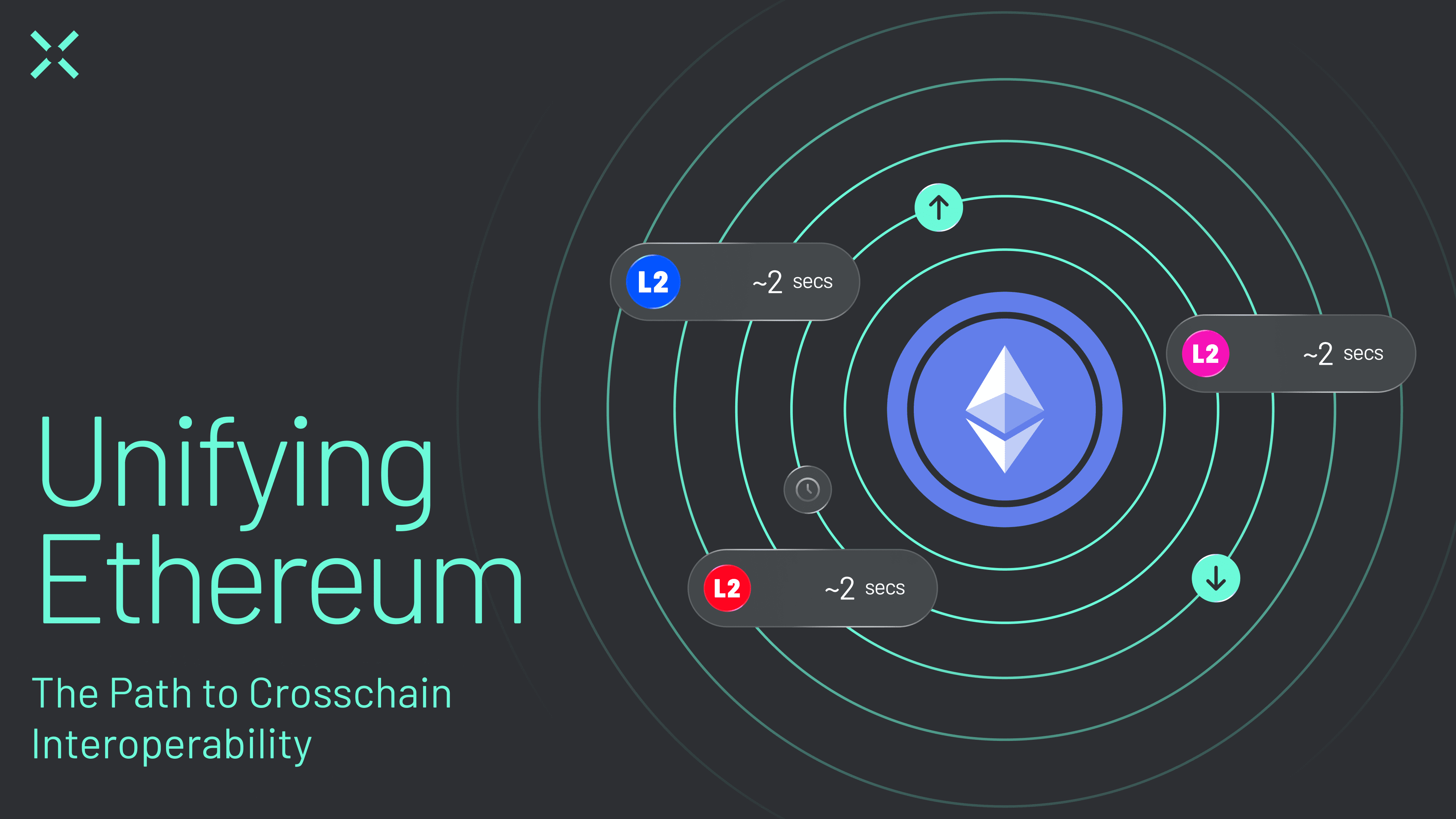
- Cross-Chain Intents: Enables seamless cross-chain execution like Across and Anoma, bridging Ethereum to L2s and beyond.
- MEV Redistribution: Redirects captured MEV back to users, akin to MEV Blocker, boosting net yields strategically.
- Superior Yields vs. 1inch, CoW Swap, Paraswap: Delivers consistently better rates through intent optimization over traditional aggregators.
Institutional adoption accelerates this shift. With ETH stabilizing post-dip, funds eye protocols delivering audit-grade certainty. SolverRouter's transparency, via on-chain solver bids, builds trust absent in opaque bots.
Strategic Imperatives for Traders in 2026
Adopting intent-based DEX aggregator tech demands discernment. Prioritize platforms verifying solver performance; SolverRouter publishes leaderboards, spotlighting top executors. Integrate with wallets supporting intent signing, like those compatible with EIP-712, for frictionless swaps. Monitor gas dynamics too, as private relays amplify efficiency amid Ethereum's scaling.
Yet risks linger: solver centralization or quote staleness. SolverRouter counters with decentralized incentives and time-bound auctions, ensuring robustness. Long-term, as MEV evolves toward collaborative capture, expect protocols redistributing spoils userward, per emerging standards.
MEV redistribution insights highlight this trajectory, protecting against the 25-30% volume theft bots once dominated.Envision a trader eyeing ETH at $1,934.13, wary of rebounds. They sign an intent for 1 ETH worth of USDC, minimum rate locked. Solvers vie: one bundles via Cetus liquidity, another taps OTC depth. Execution lands at optimal, bot-free.
This paradigm cements DeFi's maturity. Traditional DEXs fragment liquidity; aggregators unify it insecurely. SolverRouter orchestrates it strategically, with MEV protection DEX as the cornerstone. Cross-pollinating with Eco or Anoma intents foreshadows unified chains, where swaps transcend silos.
For the macro investor, metrics shine: reduced impermanent loss exposure, amplified yields through precise routing. In 2026's arena, where bots claim no quarter, SolverRouter carves user-first territory. Deploy intents judiciously; the network rewards precision. DeFi thrives not despite volatility, but through safeguards like these, positioning Ethereum swaps as institutional staples.




No comments yet. Be the first to share your thoughts!