

Ai network optimization 2026 budget
The gap between what AI needs and what your current network can handle is widening fast. According to Extreme Networks’ State of AI for Networking 2026 report, 92% of IT executives say artificial intelligence has increased computing and bandwidth demands. This surge forces a hard choice: buy expensive hardware upgrades or optimize existing traffic with smarter routing.
Solver Router addresses this by prioritizing low-latency packets over bulk data. Instead of letting every byte compete for space, it identifies real-time edge computing tasks and gives them priority lanes. This means your inference models run faster without requiring a complete fiber overhaul.
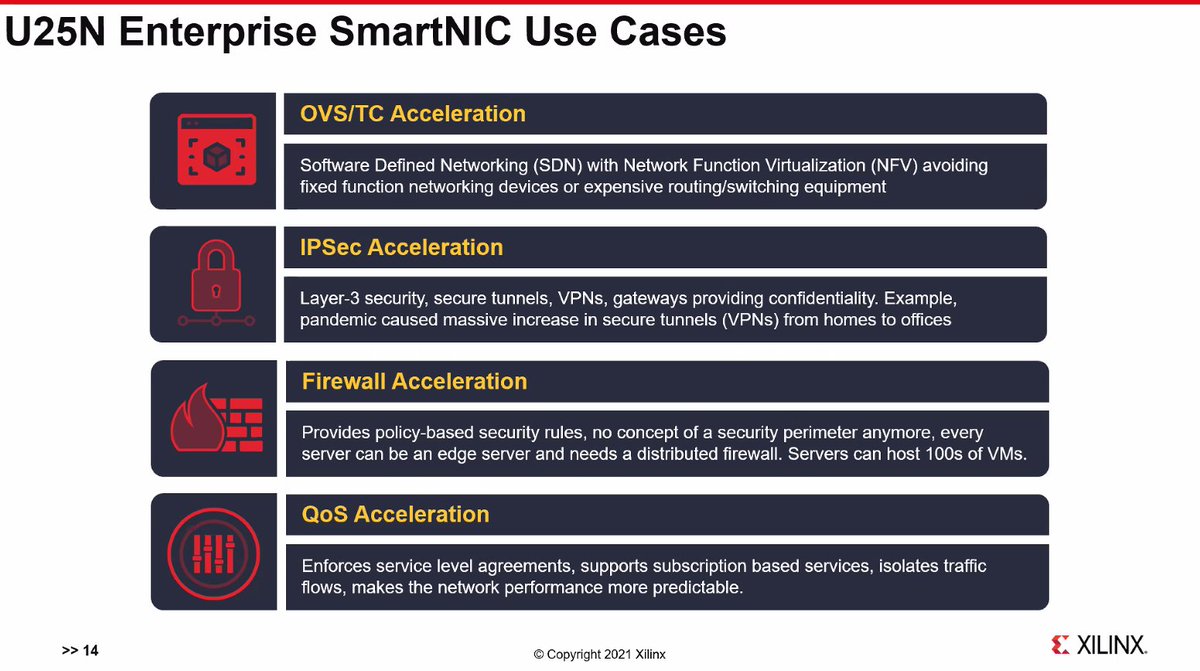
When selecting hardware, focus on devices that support advanced Quality of Service (QoS) rules. Look for routers with high-throughput interfaces and hardware-accelerated packet processing. These features ensure that the AI optimization software has the physical bandwidth it needs to function effectively.


As an Amazon Associate, we may earn from qualifying purchases.
The AI-RAN Alliance highlights at MWC 2026 that 33 new innovation demonstrations are focused on making networks more efficient. This trend confirms that software-defined optimization is becoming as important as the hardware itself. Choose a setup that allows both.
Shortlist real options
Use this section to make the The AI Router Revolution decision easier to compare in real life, not just on paper. Start with the reader's actual constraint, then separate must-have requirements from details that are merely nice to have. A practical choice should survive normal use, maintenance, timing, and budget. If a recommendation only works in an ideal situation, call that out plainly and give the reader a fallback path.
| Factor | What to check | Why it matters |
|---|---|---|
| Fit | Match the option to the primary use case. | A good deal still fails if it does not fit the job. |
| Condition | Verify age, wear, and service history. | Hidden condition issues erase upfront savings. |
| Cost | Compare purchase price with likely upkeep. | The cheapest option is not always the lowest-cost option. |
Inspect the expensive parts
When AI workloads spike, the bottleneck rarely appears where you expect it. It shows up in the components that are too small or too slow to keep up with the data stream. Inspecting these expensive failure points before deployment prevents the kind of latency that breaks real-time applications.
1. Check the NIC and Offloading
The Network Interface Card (NIC) is the first gatekeeper. If it cannot handle the packet throughput, the CPU spends more time moving data than processing it. Look for SmartNICs or DPU-enabled routers that offload encryption and packet processing. Without this offloading, your router’s main processor becomes a traffic jam.
2. Verify Memory Bandwidth, Not Just Capacity
AI routers process millions of small packets, not just large files. Standard memory capacity numbers are misleading here; memory bandwidth is what matters. Ensure the router’s RAM interface can sustain the required GB/s throughput. If the memory bus is saturated, packet drops occur regardless of how much cache you have.
3. Audit the Routing Table Size
As AI networks fragment traffic across edge nodes, routing tables grow exponentially. A bloated table slows down lookups. Check if the router supports efficient prefix aggregation or hardware-accelerated forwarding. If lookups take too long, the AI model waiting for data will stall.
4. Inspect Power Supply Headroom
AI inference is bursty. The power supply must handle sudden spikes without voltage droop, which can cause system resets or throttling. Check the PSU’s transient response specs. A stable power rail is as important as a stable network connection for real-time AI.


As an Amazon Associate, we may earn from qualifying purchases.
Ownership Costs and Maintenance Surprises
A low sticker price on an AI router often hides significant long-term costs. As network demands scale, the hardware that seemed sufficient at launch can quickly become a bottleneck, forcing premature upgrades. According to the State of AI for Networking 2026 report, 92% of IT executives say AI has increased computing and bandwidth demands, pushing many organizations to reconsider their infrastructure investments sooner than planned [src-serp-1].
Maintenance is another hidden expense. AI-native networks require constant firmware updates, security patches, and sometimes specialized cooling or power solutions. When a cheap router cannot handle the thermal load or software overhead of real-time edge computing, it stops being a cost-saving measure and becomes a liability. The AI-RAN Alliance highlights that new industry blueprints are emerging to address these efficiency challenges, suggesting that standard consumer-grade gear may not survive the 2026 AI wave [src-serp-2].
To avoid these pitfalls, look beyond the initial purchase price. Evaluate the total cost of ownership by considering energy efficiency, update frequency, and scalability. A slightly more expensive router that supports future-proof standards can save thousands in replacement costs and downtime over its lifespan. Choose hardware that aligns with the actual growth trajectory of your AI workloads, not just your current needs.



As an Amazon Associate, we may earn from qualifying purchases.
Ai network optimization 2026: what to check next
As AI workloads push network infrastructure to its limits, practical concerns about latency, bandwidth, and system reliability dominate the conversation. Below are the most common questions readers ask before integrating solver router technology into their edge computing strategies.
No comments yet. Be the first to share your thoughts!