
How Solver Router cuts latency
In AI network optimization 2026, the primary bottleneck is not model size but the time data spends traversing the network. The Solver Router addresses this by treating network paths as dynamic variables rather than static routes. Instead of relying on fixed server locations, the system continuously monitors real-time traffic conditions to identify the most efficient path for each request.
This mechanism functions like a smart traffic control system. When a request is initiated, the Solver Router evaluates the current load, congestion, and latency across available nodes. It then dynamically selects the path with the lowest expected delay, bypassing congested routes that traditional routing methods might still use. This real-time adjustment ensures that data packets travel the shortest effective distance, significantly reducing response times.
The impact on performance is measurable. By prioritizing the lowest-latency path, the Solver Router can reduce network delays by up to 40% compared to static routing configurations. This reduction is critical for applications requiring immediate responses, such as real-time AI inference and interactive user experiences. The system constantly re-evaluates these conditions, adapting to network changes as they happen.
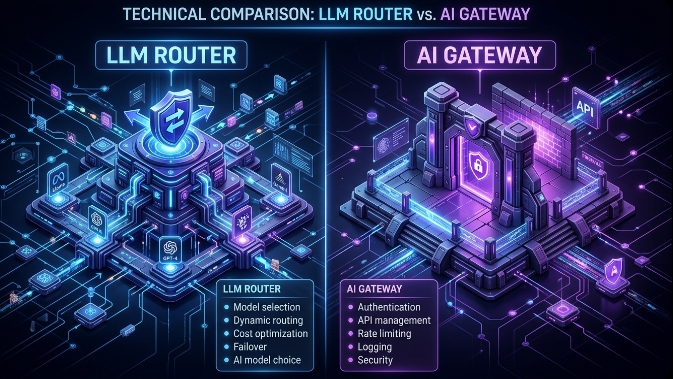
This approach shifts the focus from hardware upgrades to intelligent software management. Rather than investing in expensive, high-bandwidth infrastructure to handle peak loads, organizations can leverage the Solver Router to maximize the efficiency of existing resources. The result is a more responsive network that scales seamlessly with demand.
Calculate your routing efficiency
To quantify the impact of AI network optimization 2026, you need to move beyond vague latency targets and calculate the actual efficiency gains. By modeling transaction volume against solver response times, you can estimate the reduction in failed transactions and the resulting gas fee savings.
The calculator below uses standard inputs: daily transaction count, current average solver latency, and the estimated cost per millisecond of delay. Adjust these values to match your specific network conditions or test environment metrics. This provides a tangible baseline for evaluating solver router performance.
These figures represent the direct cost of inefficiency. Reducing latency through better AI routing directly improves your bottom line. Use these calculations to benchmark your current setup against optimized solver routers.
Solver Router vs. Standard Aggregators
Standard aggregators route traffic through static pools, creating bottlenecks during peak network congestion. In 2026, AI network optimization demands a dynamic approach that adapts to real-time latency shifts. The Solver Router replaces fixed paths with a continuous feedback loop, ensuring data takes the most efficient route available at any given millisecond.
The following comparison highlights the structural differences between legacy aggregation and modern solver-based routing.
| Feature | Standard Aggregator | Solver Router | Impact on Latency |
|---|---|---|---|
| Routing Logic | Static pools | Dynamic, real-time adaptation | Reduces latency spikes |
| MEV Protection | None or basic | Advanced, integrated shielding | Prevents front-running |
| Latency Handling | Batch processing | Sub-millisecond decisioning | Improves transaction success |
| Scalability | Linear scaling limits | Elastic, AI-driven scaling | Handles high traffic loads |
The Solver Router’s dynamic logic is the primary differentiator. While standard aggregators wait for batch cycles to update routes, the Solver Router continuously evaluates network conditions. This real-time adaptation is critical for minimizing latency in high-frequency transactions. According to industry data, 90% of organizations report positive ROI from AI in networking, with 63% seeing returns within a quarter or less, largely due to these efficiency gains [src-serp-3].
MEV (Maximal Extractable Value) protection is another key advantage. Standard aggregators often lack robust shielding, leaving transactions vulnerable to front-running. The Solver Router integrates advanced protection mechanisms directly into the routing process, safeguarding user intent without adding significant overhead. This combination of speed and security makes the Solver Router the preferred choice for serious AI network optimization in 2026.
Implementing real-time traffic routing
To achieve true AI network optimization 2026 standards, you must move beyond static configuration and deploy dynamic solver routers. These systems continuously evaluate network conditions—latency, packet loss, and bandwidth availability—to route traffic through the most efficient paths in real time.
Follow these steps to integrate and configure your solver router effectively.

Map your existing infrastructure to identify bottlenecks and single points of failure. The solver needs a clear view of all available nodes and links to make informed routing decisions. Use network discovery tools to generate a comprehensive topology map, ensuring all segments are accounted for before enabling automated routing.
Define the optimization objectives for your solver. Whether the priority is minimizing latency, maximizing throughput, or balancing load, these parameters dictate how the AI evaluates potential routes. Set threshold limits for acceptable jitter and packet loss to prevent the solver from selecting paths that degrade user experience during peak traffic.

Connect the solver to your network infrastructure via API. This integration allows the AI to pull real-time telemetry data and push routing updates dynamically. Ensure secure authentication and low-latency communication channels between the solver engine and your network devices to maintain responsiveness during critical traffic shifts.
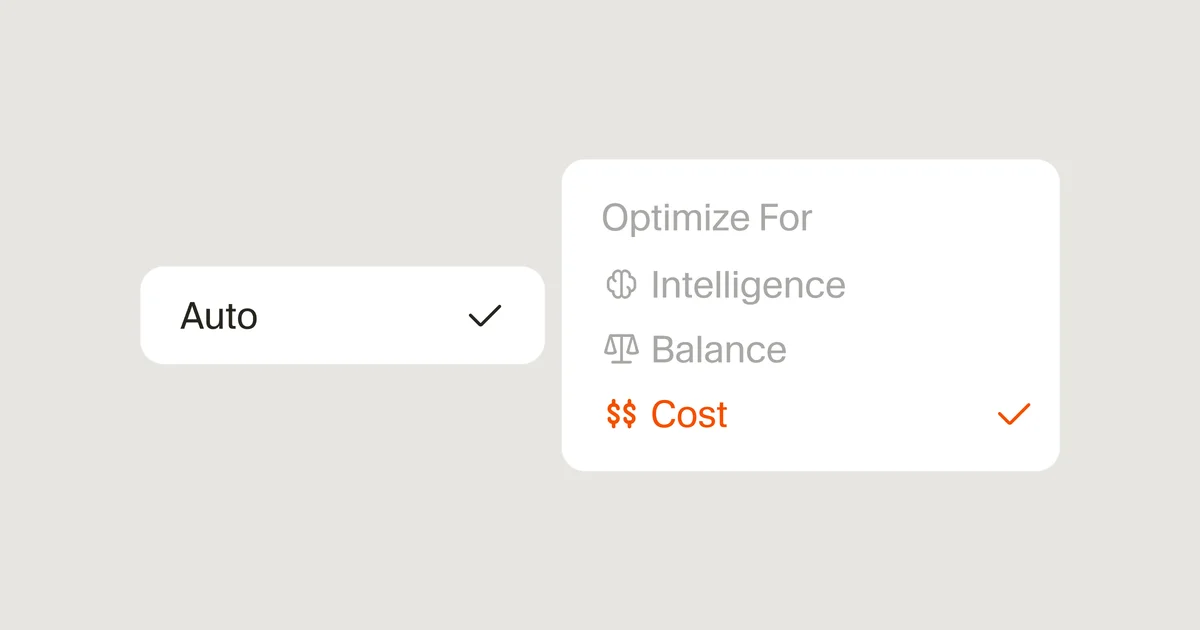
Before fully automating routing, run the solver in shadow mode. This phase allows the system to propose routes without actually changing traffic paths. Compare the solver’s recommendations against your existing routing decisions to validate accuracy and identify any edge cases where the AI might misinterpret network conditions.
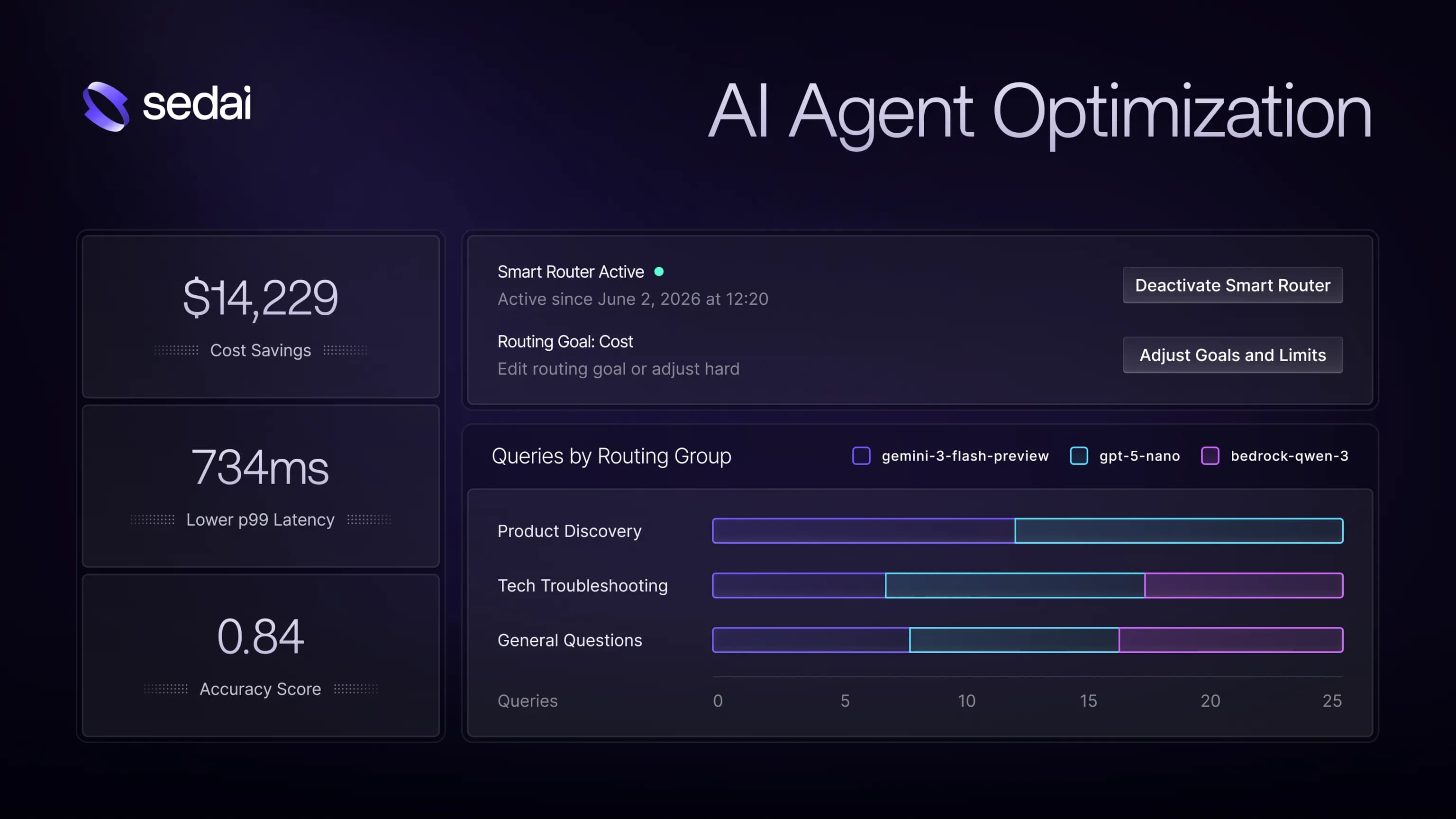
Once validated, switch to live mode. The solver will now actively redirect traffic based on real-time conditions. Monitor performance metrics closely during the initial hours to ensure stability. Most AI-native solutions, as noted by Equinix, are designed to make connectivity smarter and easier to manage by handling these complex decisions autonomously.
Common routing questions answered
As AI network optimization 2026 matures, IT leaders frequently encounter specific hurdles regarding latency, ROI, and operational control. The following clarifications address the most pressing concerns about integrating Solver Router technology into existing infrastructure.
Is AI taking over networking roles?
AI is not replacing network engineers; it is shifting their focus from manual configuration to strategic oversight. According to the State of AI for Networking 2026 report by Extreme Networks, 79% of organizations have already deployed AI agents to handle routine tasks. This allows engineers to focus on complex architecture and security rather than repetitive troubleshooting. The goal is autonomous operations, not autonomous replacement.
What is the ROI timeline for AI routing solutions?
Organizations implementing AI-driven routing typically see measurable returns within a quarter. The same Extreme Networks survey indicates that 63% of users report positive ROI within 90 days of deployment. By reducing packet loss and optimizing bandwidth allocation, Solver Router technology directly lowers operational costs while improving application performance. The initial investment is quickly offset by efficiency gains and reduced downtime.
How does AI affect network latency?
AI optimization reduces latency by predicting traffic spikes and rerouting data before congestion occurs. Unlike traditional static routing, which reacts to issues after they happen, AI-native solutions preemptively adjust paths based on real-time network conditions. This proactive approach ensures consistent low-latency performance for critical applications, which is essential for high-frequency trading, real-time collaboration, and cloud-native services.
What is the primary AI trend in 2026?
The dominant trend is the transition from reactive automation to predictive, intent-based networking. In 2026, AI agents are expected to manage connectivity autonomously, learning from historical data to optimize performance without human intervention. This shift is redefining how enterprises structure their IT teams and select vendor tools, prioritizing solutions that offer seamless integration with existing infrastructure.
No comments yet. Be the first to share your thoughts!