
2026 regulatory landscape for smart routers
AI Router Firmware works best as a sequence, not a scramble through settings. Do the minimum first: confirm compatibility, connect the core hardware, update only when needed, and test the result before adding optional features. That order keeps the task understandable and makes failures easier to isolate. After each step, pause long enough for the interface to finish syncing. Many setup problems are timing problems disguised as configuration problems. If the same step fails twice, record the exact error, restart the smallest affected piece, and retry before moving deeper.
The simplest way to use this section is to keep the setup small, verify each change, and record the stable configuration before adding optional accessories.
Key AI features in 2026 firmware releases
The 2026 firmware landscape introduces standardized AI-driven capabilities designed to manage network complexity and security without manual intervention. Manufacturers have shifted from basic traffic shaping to predictive orchestration, integrating machine learning models directly into the router’s operating system.
Traffic Orchestration
Modern firmware utilizes AI to analyze traffic patterns in real-time, prioritizing critical data streams such as video conferencing or cloud backups over less urgent activities. This dynamic bandwidth allocation ensures consistent performance for latency-sensitive applications, a requirement increasingly emphasized under emerging EU cybersecurity standards for reliable connectivity.
Automated Threat Detection
Security protocols now include autonomous threat detection systems that identify anomalous behavior before it escalates. These systems operate continuously, scanning for malicious signatures and unusual device communications. Compliance with US FCC regulations and international data protection frameworks requires these security features to be robust and regularly updated, reducing the burden on end-users to manage complex security settings.
Hardware Integration
The integration of dedicated AI processors in 2026 models, such as the ROG Rapture GT-BE19000AI, allows for complex computations to be handled locally rather than relying on cloud-based services. This local processing enhances privacy and reduces latency, ensuring that sensitive network data remains within the user’s jurisdiction.
Critical security vulnerabilities to monitor
AI Router Firmware works best as a sequence, not a scramble through settings. Do the minimum first: confirm compatibility, connect the core hardware, update only when needed, and test the result before adding optional features. That order keeps the task understandable and makes failures easier to isolate. After each step, pause long enough for the interface to finish syncing. Many setup problems are timing problems disguised as configuration problems. If the same step fails twice, record the exact error, restart the smallest affected piece, and retry before moving deeper.
The simplest way to use this section is to keep the setup small, verify each change, and record the stable configuration before adding optional accessories.
Update workflow for AI router firmware
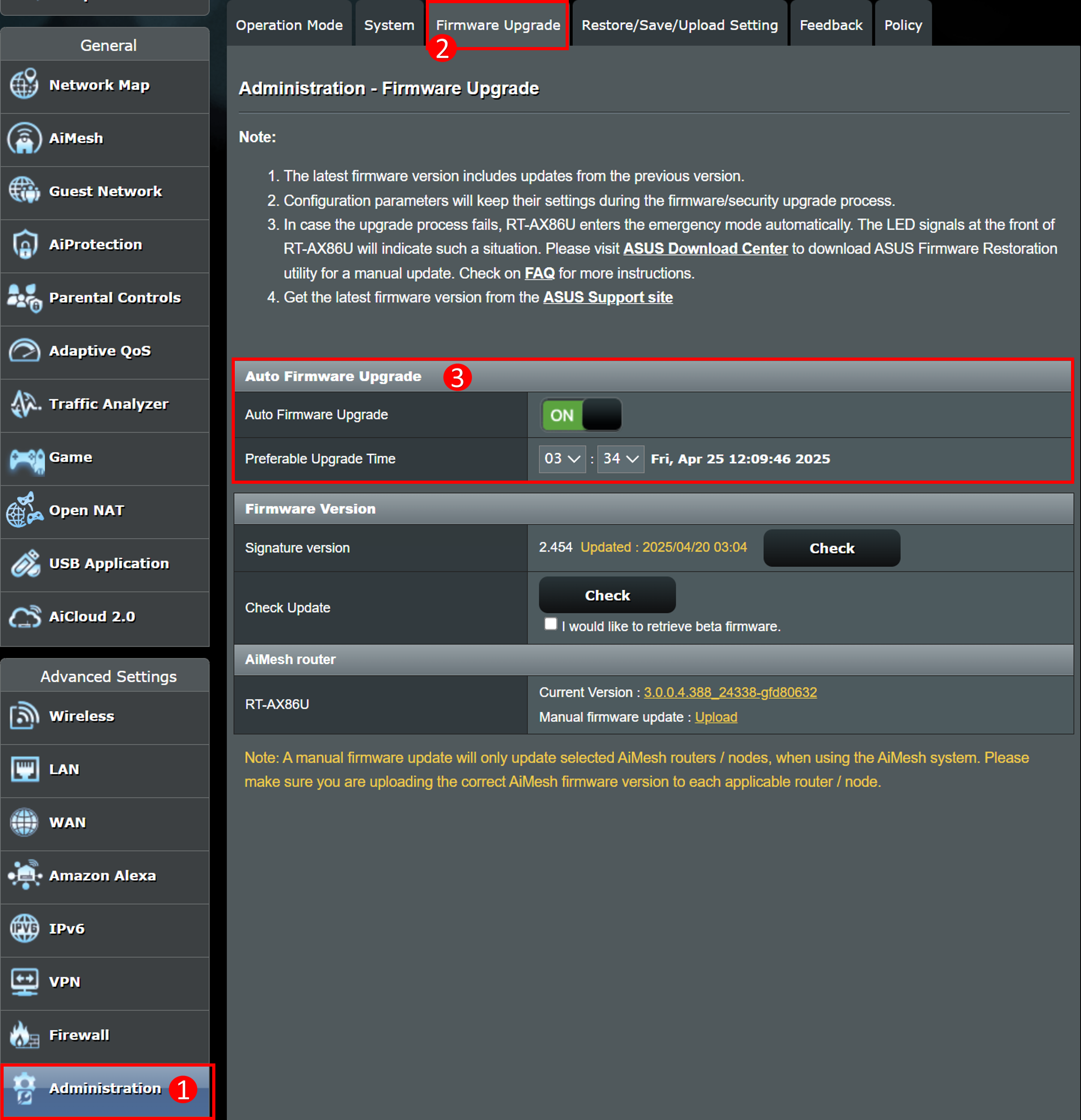
Updating firmware on an AI router and its associated mesh nodes requires a specific sequence to maintain network stability and regulatory compliance. Incorrect ordering can lead to configuration mismatches, extended downtime, or incomplete security patches. This process aligns with manufacturer guidelines and general cybersecurity standards for network infrastructure management.
Pre-update preparation
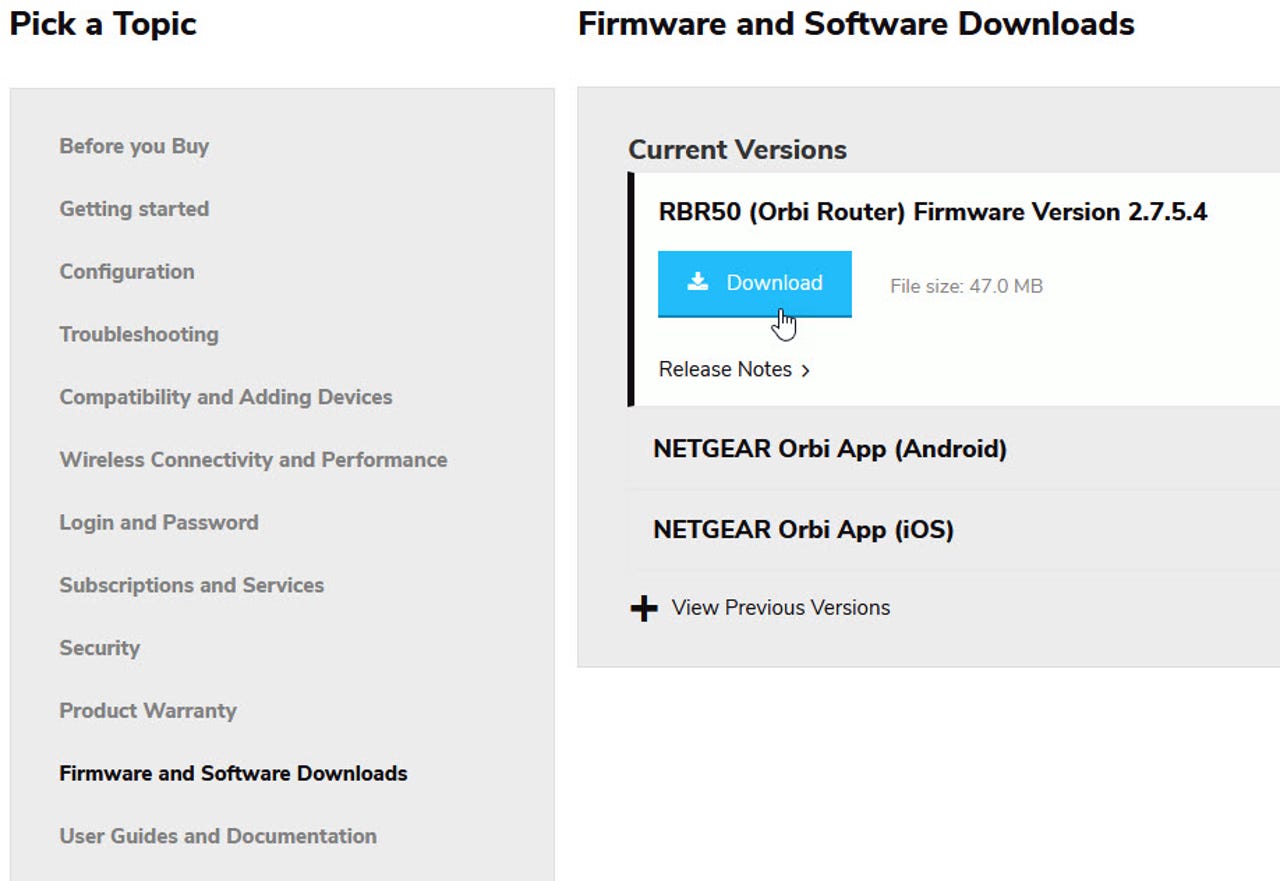
Before initiating any changes, verify that the firmware source is official. Manufacturer portals are the primary source for valid updates and CVE patches. Avoid third-party repositories. Ensure you have administrative access to the router interface and that the device is connected via Ethernet during the update process to prevent interruption.
Step-by-step upgrade sequence
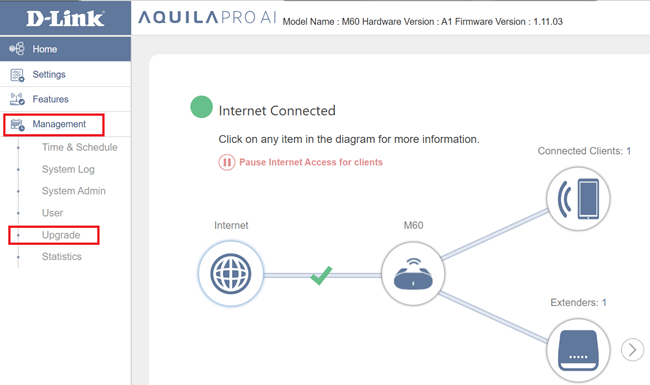
The correct order of operations is critical. Always update the main router unit before the mesh nodes. This ensures that the central controller runs the latest protocol versions before distributing settings to peripheral devices.
Post-update verification
After the sequence is complete, test network throughput and device connectivity. Ensure that AI-specific features, such as automated traffic shaping or security scanning, are functioning as intended. If issues persist, restore the configuration from the backup created in the first step and consult the manufacturer's support documentation for version-specific troubleshooting.
Troubleshooting post-update connectivity issues
Following the deployment of AI Router Firmware 2026, some users report connectivity disruptions, particularly with 5GHz bands. These issues often stem from configuration mismatches between the new firmware’s default settings and existing network profiles. The ROG Rapture GT-BE19000AI, featuring a built-in AI processor, may require specific adjustments to maintain stable connections post-update.
A common symptom is the failure of devices to connect to the 5GHz band, often displaying generic connection errors. This can occur even after a full reboot of all routers. Community reports indicate that this is a known issue with recent firmware updates, suggesting a need for manual intervention rather than a simple restart.
To resolve these issues, begin by verifying that your device’s Wi-Fi adapter supports the new 802.11be (Wi-Fi 7) standards if applicable. If not, ensure the router is set to a compatible mode, such as 802.11ax or 802.11ac. Next, check the channel width settings; reducing the width from 320MHz to 160MHz or 80MHz can improve compatibility with older devices. Finally, clear the DHCP lease on your client devices to force a fresh IP assignment from the router’s updated pool. For detailed steps, refer to the official ASUS support documentation for your specific model.
No comments yet. Be the first to share your thoughts!