
Check the setup requirements
Before diving into solver router configurations, ensure your environment is ready. A misconfigured base system will cause solver routing logic to fail, regardless of how advanced the algorithm is. Focus on these three prerequisites to avoid common pitfalls.
1. Verify network compatibility
Your router must support the protocols required by your AI traffic routing solution. For 2026 deployments, this typically means Wi-Fi 7 (802.11be) or at least robust Wi-Fi 6E support. Check that your firmware is up to date, as older versions often lack the QoS (Quality of Service) hooks needed for dynamic traffic shaping. If your router is over ten years old, it likely lacks the processing power for real-time AI analysis.
2. Confirm hardware resources
Solver routing is computationally intensive. Ensure your router has sufficient RAM and CPU headroom. For most consumer-grade setups, a dual-core processor with at least 512MB of RAM is the minimum. If you are using a modem-router combo, check if the modem can handle the throughput without becoming a bottleneck. A weak modem can negate the benefits of an advanced solver configuration.
3. Prepare access and credentials
You will need administrative access to your router’s command-line interface (CLI) or advanced web UI. Have your admin credentials ready, and ensure you have a stable Ethernet connection to the router during configuration. Wireless connections can drop during firmware updates or reboots, which may corrupt the solver settings.
Configure it in order
2026 guide: How to Optimize Solver Router Configurations for AI-Driven Traffic Routing works best as a sequence, not a scramble through settings. Do the minimum first: confirm compatibility, connect the core hardware, update only when needed, and test the result before adding optional features. That order keeps the task understandable and makes failures easier to isolate. After each step, pause long enough for the interface to finish syncing. Many setup problems are timing problems disguised as configuration problems. If the same step fails twice, record the exact error, restart the smallest affected piece, and retry before moving deeper.

Mistakes that break the setup
Even with the best hardware, a solver router configuration can fail if the underlying network logic is flawed. These errors don't just slow down traffic; they actively route AI-driven queries to the wrong endpoints or drop them entirely. Fixing them is often more important than upgrading your gear.
Ignoring Latency Thresholds
The most common setup error is setting latency thresholds too low. If you demand sub-10ms response times for every single query, your solver will reject valid responses from slightly slower, but more accurate, models. This causes unnecessary timeouts and forces the system to retry requests, increasing costs and user wait times.
Set realistic thresholds based on the task. For simple classification, 200ms might be acceptable. For complex reasoning, allow up to 2 seconds. Treat latency as a soft constraint, not a hard wall, unless you are building a real-time trading bot.
Misconfiguring Fallback Chains
A broken fallback chain is the second biggest killer of performance. If your primary AI provider goes down, the solver must seamlessly switch to a secondary provider. Many users configure their fallbacks incorrectly, causing the solver to hang while waiting for the primary provider to time out before trying the backup.
Ensure your fallback logic is immediate and non-blocking. The solver should attempt the primary, and if it fails or exceeds the timeout, instantly pivot to the secondary. This redundancy is what keeps your application running during outages.
Overloading the Router
Finally, many developers overload the router with too many complex rules. Every additional condition the solver must evaluate adds processing overhead. If your logic tree is too deep, the router itself becomes the bottleneck, introducing latency before the AI even sees the request.
Keep your routing rules flat and simple. Use direct mappings where possible. If you need complex logic, consider pre-filtering requests before they hit the solver router. Less logic in the path means faster, more reliable routing.
Solver router 2026: what to check next
Helpful gear
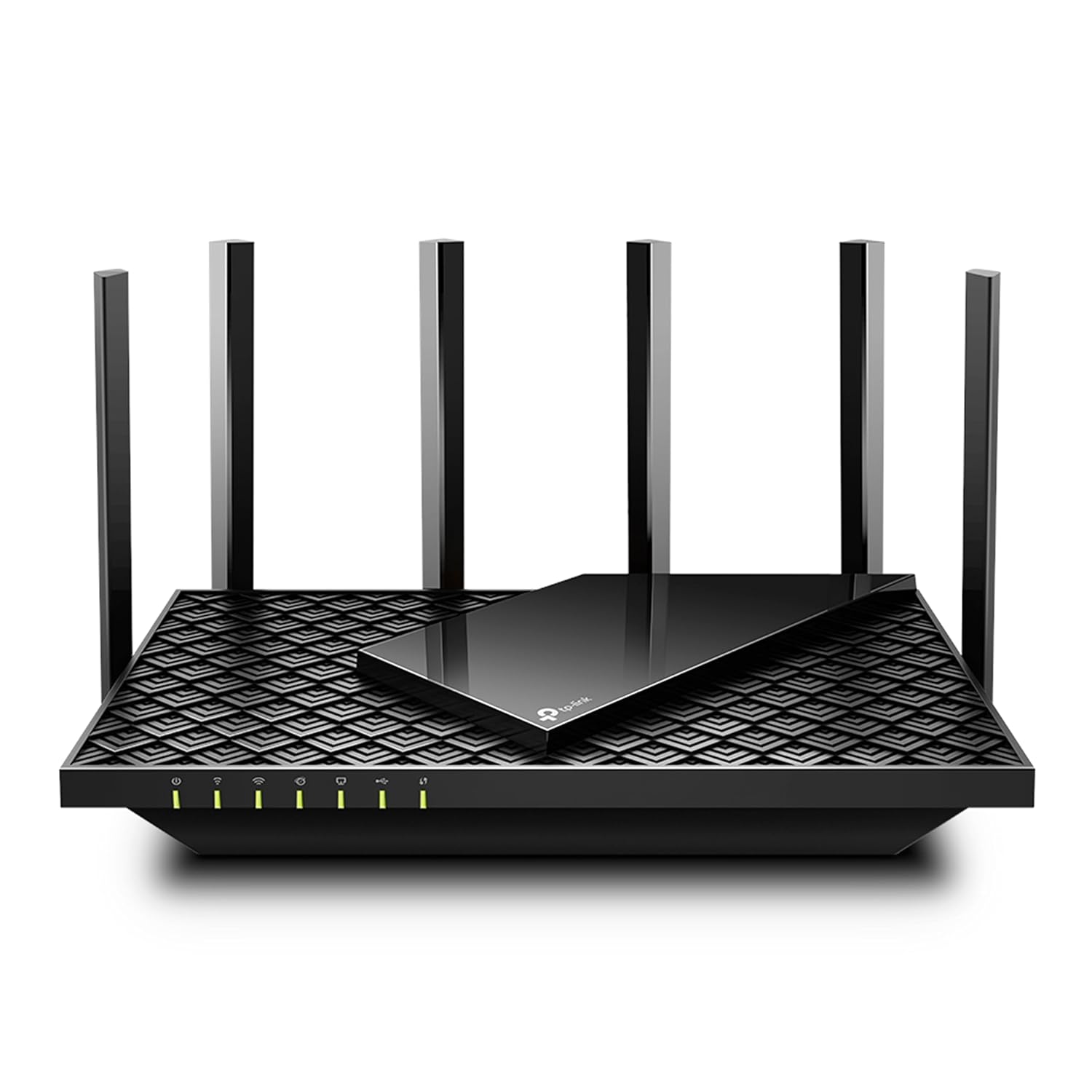
Use these product recommendations as a starting point, then choose the size, material, and price point that fit how you actually use the gear.


As an Amazon Associate, we may earn from qualifying purchases.
No comments yet. Be the first to share your thoughts!