
Why Wi-Fi 7 matters now
The shift to Wi-Fi 7 is no longer just about faster theoretical speeds; it is about handling the density of the modern smart home. In 2026, a typical household runs dozens of connected devices simultaneously, from security cameras and smart displays to streaming 4K media and remote work setups. Wi-Fi 6 and 6E routers often struggle to maintain consistent performance under this load, leading to buffering, lag, and dropped connections during peak usage hours.
Wi-Fi 7 introduces Multi-Link Operation (MLO), a feature that allows devices to connect to multiple frequency bands at once. Instead of choosing between the 2.4GHz, 5GHz, or 6GHz bands, your devices can use them simultaneously. This reduces latency significantly, which is critical for gaming and real-time video calls. It also increases overall capacity, ensuring that when you stream a movie, your smart lock or thermostat doesn't experience a hiccup.
The tangible benefits are clear: higher throughput, lower latency, and greater reliability. While early Wi-Fi 6 routers are still functional, they lack the architectural improvements needed to support the growing number of high-bandwidth devices. Upgrading to a Wi-Fi 7 router 2026 models ensures your network can handle future demands without requiring another upgrade in a few years.
Key Specs: Wi-Fi 7 supports wider 320MHz channels, 4K QAM modulation, and MLO, delivering up to 4.8x faster speeds and significantly lower latency compared to Wi-Fi 6E.
For most buyers, the best Wi-Fi 7 router 2026 options like the TP-Link Archer BE3600 or the Netgear Nighthawk RS700S offer a noticeable improvement in stability and speed. These models are designed to manage the complex web of modern connectivity, making them a worthwhile investment for any home with multiple users or heavy internet usage.
7 Best Wi-Fi 7 Routers of 2026
The market for a Wi-Fi 7 router 2026 has matured, delivering the speed and reliability needed for modern smart homes. These seven models represent the current peak of connectivity technology, offering tangible upgrades over previous generations.
1. Best overall Wi-Fi 7 router 2026
The Netgear Nighthawk RS700S sets the benchmark for modern networking, combining tri-band Wi-Fi 7 performance with robust security features. Its 10-gigabit Ethernet ports ensure future-proof connectivity for demanding workstations, while the intuitive app simplifies network management for families. This router delivers consistent speeds across all devices, making it the top choice for users seeking a single, powerful solution for their entire home network ecosystem.

2. Best mesh system for whole-home coverage
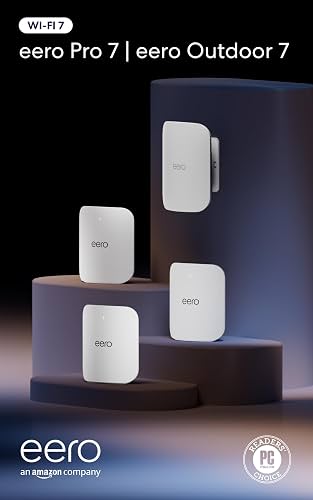
Eero Pro 7 E5900 transforms large homes into seamless Wi-Fi zones using true tri-band mesh technology. Its sleek, compact design blends into any décor while eliminating dead zones through intelligent node communication. Users benefit from automatic updates and simple setup via the Eero app, ensuring reliable coverage for streaming, working, and gaming without the hassle of manual range extenders or complex configurations.
3. Best budget-friendly Wi-Fi 7 option
The TP-Link Archer BE800 proves that Wi-Fi 7 doesn't require a premium price tag, offering quad-stream performance at an accessible cost. It supports 320MHz channels for faster data throughput, ideal for 4K streaming and large file transfers. With built-in parental controls and robust security, this router delivers essential modern features without the bloat, making it the smart entry point for budget-conscious tech enthusiasts upgrading their home network.

4. Best router for gaming and low latency
The TP-Link Archer GE400 is engineered specifically for gamers, featuring dedicated hardware acceleration and low-latency optimization algorithms. Its dual-band Wi-Fi 7 setup prioritizes gaming traffic, reducing lag spikes during intense multiplayer sessions. With multiple Ethernet ports for wired connections and smart QoS settings, this router ensures that your console or PC gets the bandwidth it needs, keeping ping times low and gameplay smooth.

5. Best for smart home hub integration
The Asus ZenWiFi Pro 14 BT excels in managing dozens of connected smart devices simultaneously, thanks to its powerful processor and dedicated IoT network isolation. Its seamless mesh system ensures that smart lights, cameras, and sensors remain online and responsive without congesting the main Wi-Fi band. Users appreciate the intuitive app that simplifies device management, making it the ideal backbone for a complex, modern smart home ecosystem.

6. Best value mesh for mid-size homes
The Eero 7 mesh system balances cost and coverage for average-sized houses. Its tri-band design ensures stable connections across multiple floors without breaking the bank. This setup simplifies whole-home Wi-Fi 7 router 2026 deployment, offering reliable performance for streaming and video calls. It stands out as a practical choice for families needing consistent signal strength throughout their living space.

7. Best high-performance router for power users
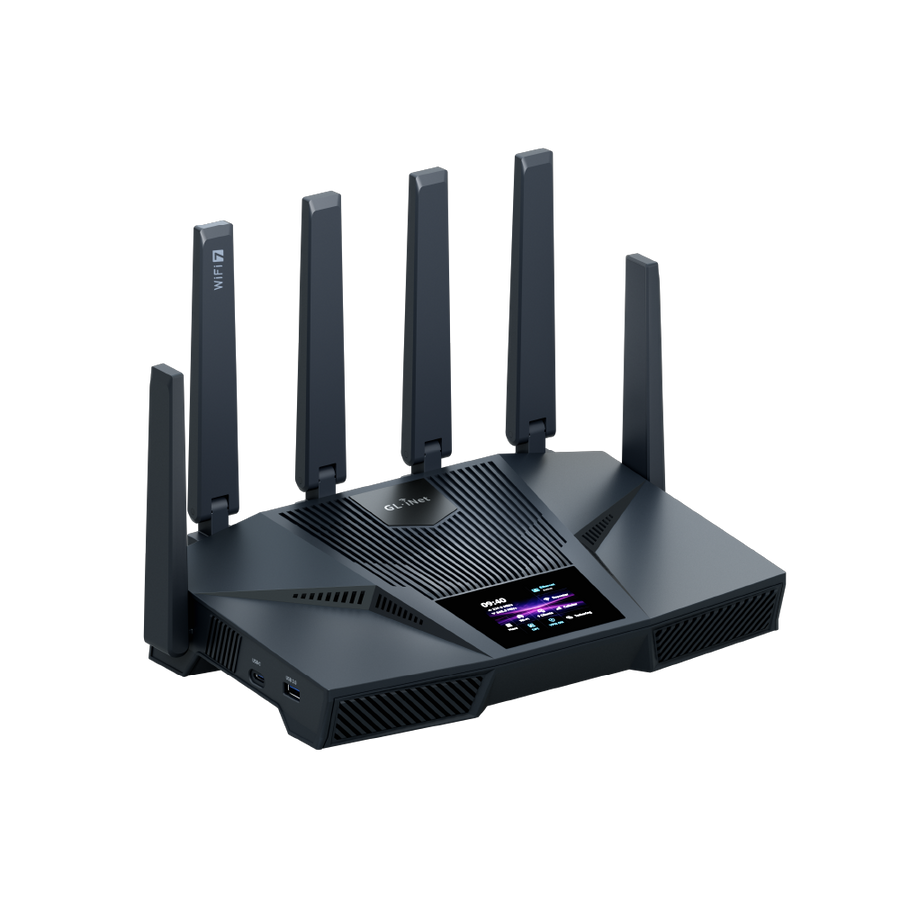
The GL.iNet Flint 4 delivers raw speed for demanding tasks like 8K streaming and heavy file transfers. Its tri-band architecture handles multiple 4K streams simultaneously without congestion. This Wi-Fi 7 router 2026 champion prioritizes throughput over convenience, appealing to tech enthusiasts who need maximum bandwidth. It serves as a dedicated powerhouse for users who refuse to compromise on network performance.
How to choose your Wi-Fi 7 router
Picking the right Wi-Fi 7 router 2026 model depends on your home layout and internet speed tier. Start by matching the router type to your square footage. Single-unit routers like the TP-Link Archer AXE75 work well for apartments or small homes under 1,500 square feet. For larger spaces or multi-story homes, a mesh system like the eero Max 7 or Netgear Orbi 770 ensures consistent coverage in every corner.
Next, check your internet plan speed. If you have fiber or gigabit service, prioritize routers with 2.5 Gbps or 10 Gbps WAN ports. The Netgear Nighthawk RS700S features dual 10 Gbps ports, making it ideal for heavy data throughput. Budget options like the TP-Link Archer BE3600 are sufficient for plans under 500 Mbps.
Finally, consider device density. Tri-band models use the 6 GHz band for wireless backhaul, reducing congestion for smart home devices. If you have 50+ connected devices, a prosumer option like the Ubiquiti UniFi Dream Router 7 offers better management and stability.
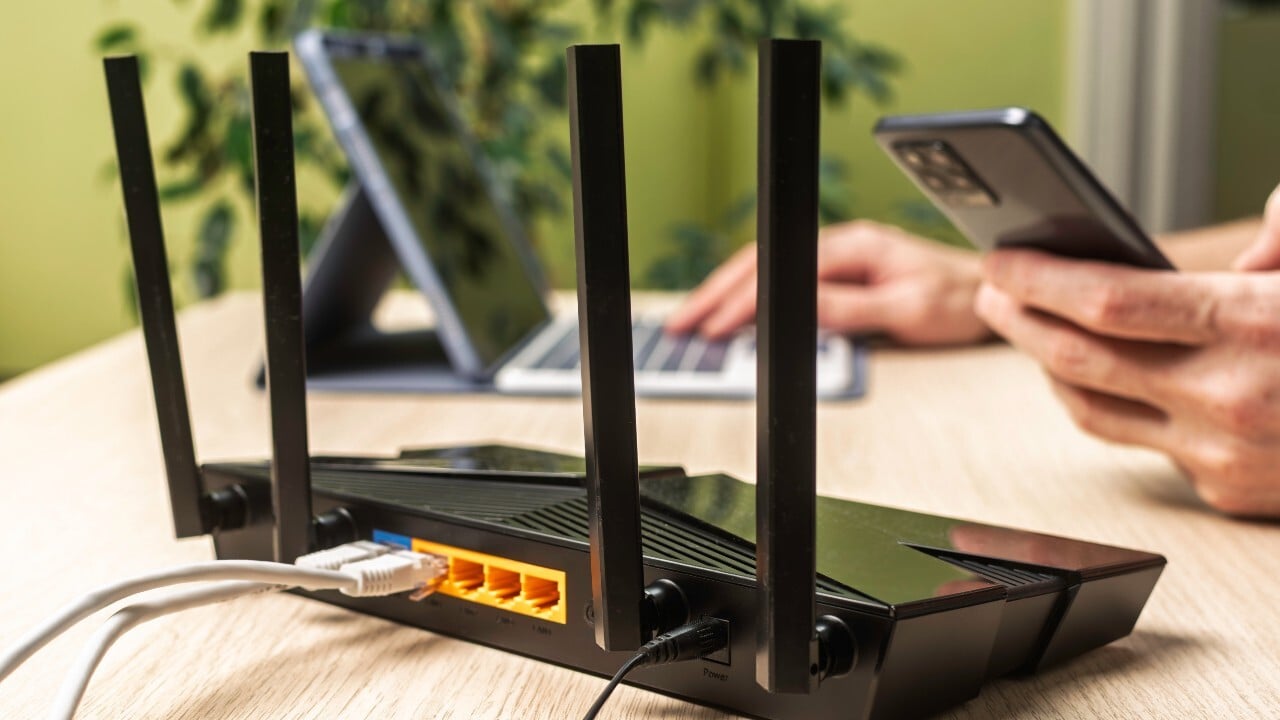
Choose a single-unit router for small spaces or a mesh system for large, multi-story homes to ensure full coverage.
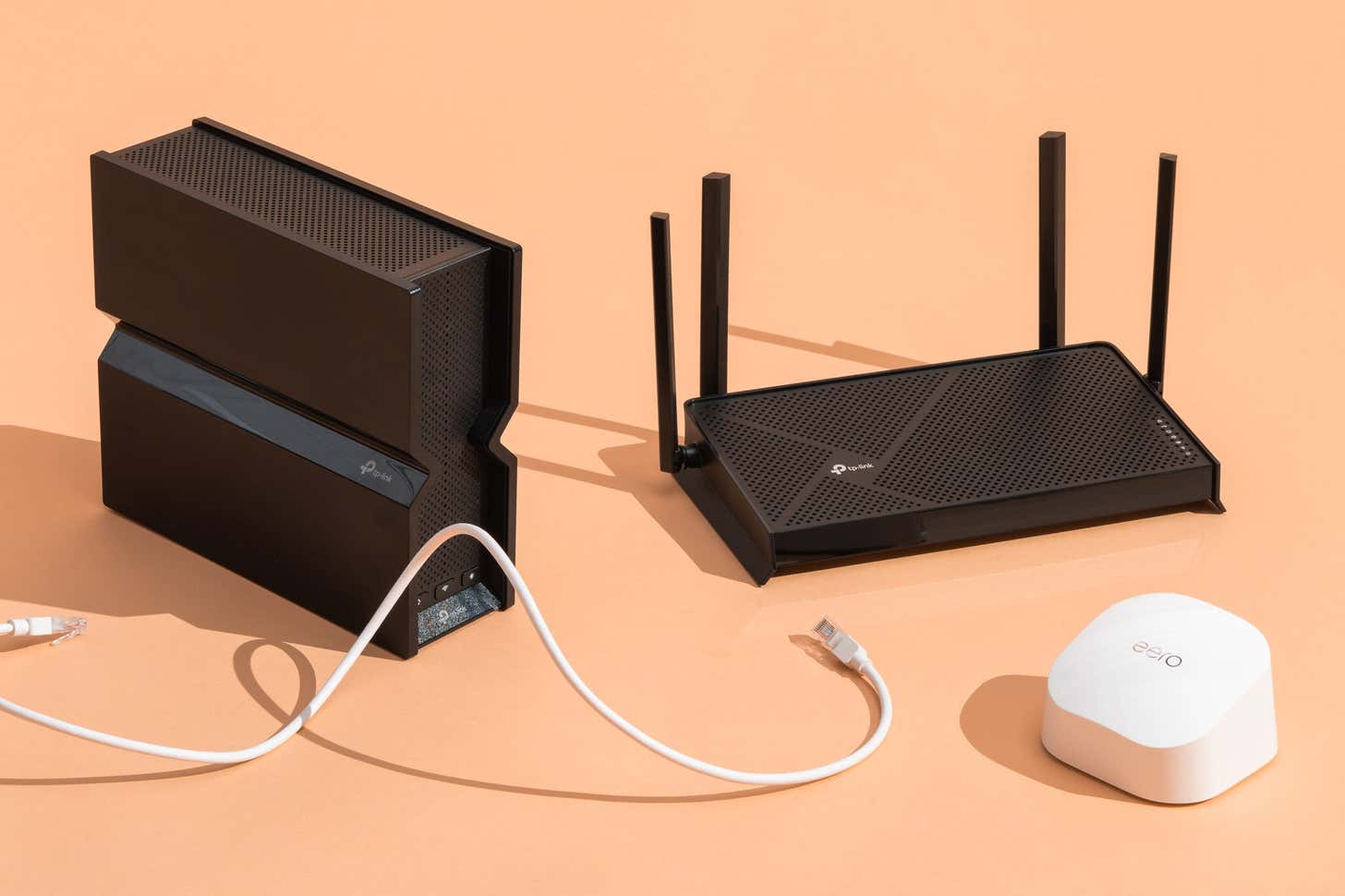
Verify your plan’s maximum speed. For gigabit or fiber connections, select a router with 2.5 Gbps or 10 Gbps WAN ports.
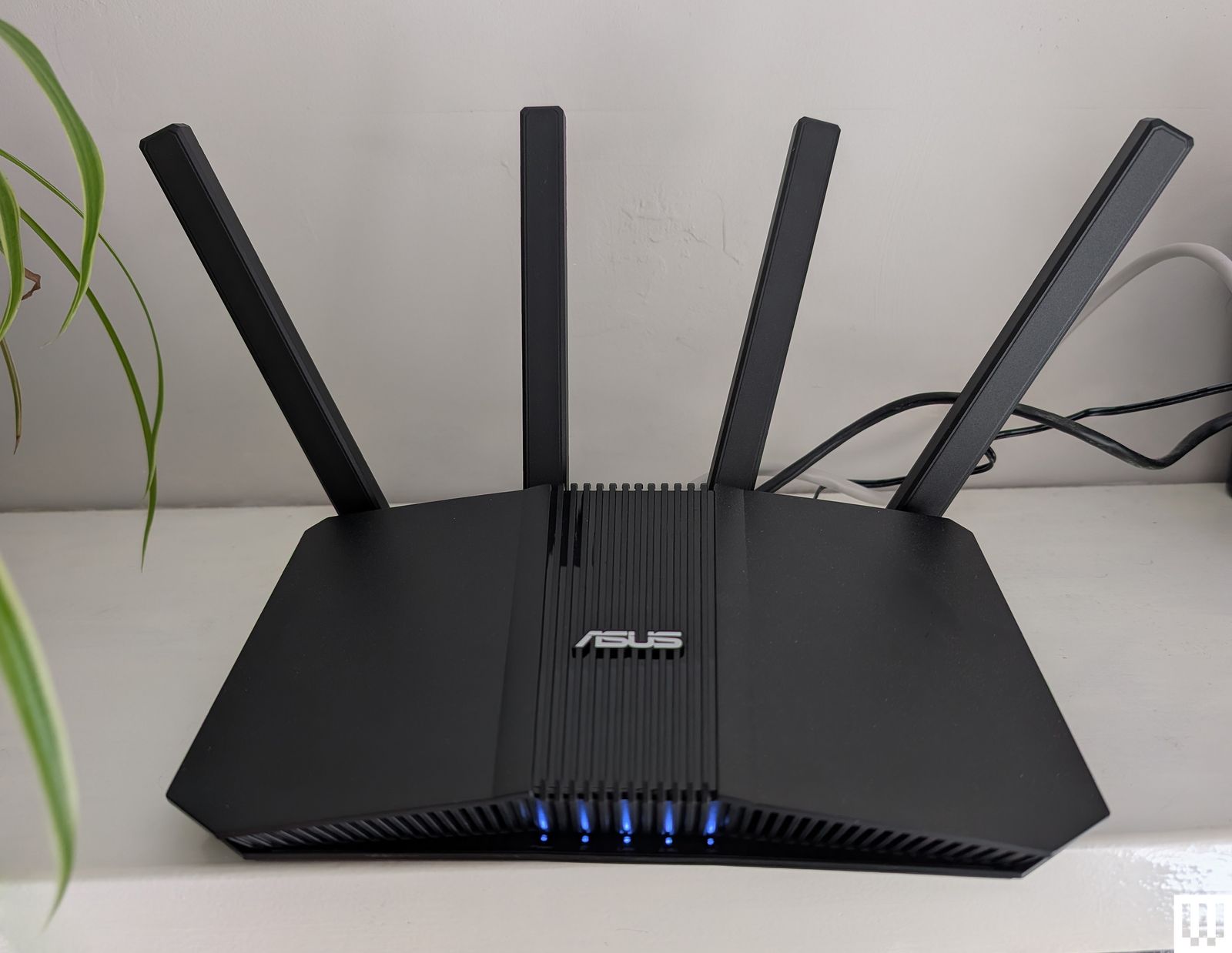
High device counts benefit from tri-band Wi-Fi 7 routers that dedicate a band for mesh backhaul, keeping your network stable.
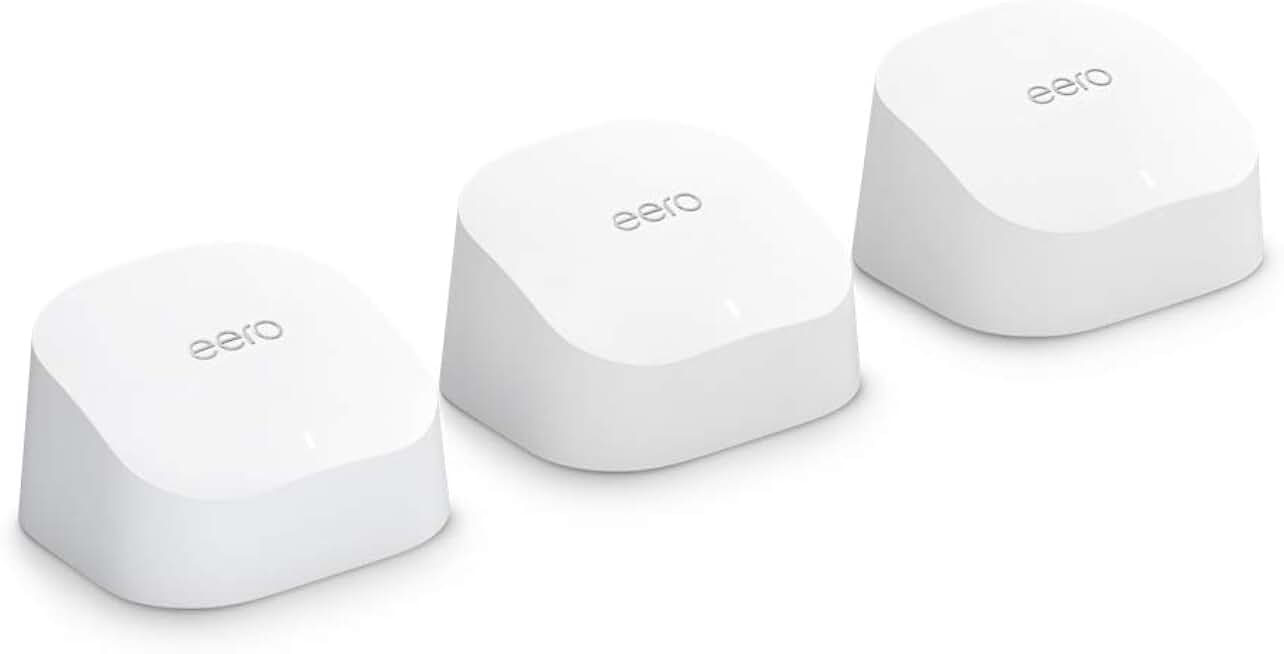

As an Amazon Associate, we may earn from qualifying purchases.
Common wi-fi 7: what to check next
Is Wi-Fi 7 worth it in 2026?
Yes, if you have multiple high-bandwidth devices. Wi-Fi 7 reduces latency and handles congestion better than previous generations. It is especially useful for homes with 4K/8K streaming, gaming, or smart home setups.
What is the best Wi-Fi 7 router in 2026?
The Netgear Nighthawk RS700S leads with dual 10 Gbps ports and 19 Gbps speeds. For most buyers, the TP-Link Archer AXE75 offers the best balance of price and performance. The eero 7 is the top choice for mesh systems.
Is it worth getting a Wi-Fi 7 router?
If you need faster speeds and lower latency, yes. Wi-Fi 7 supports 320 MHz channels and 4K QAM, doubling throughput. It future-proofs your network for upcoming devices and higher bandwidth demands.
What is the best Wi-Fi router system in 2026?
The eero Max 7 is the best-performing Wi-Fi 7 mesh system, offering tri-band coverage with 2.4GHz, 5GHz, and 6GHz bands. For reliable whole-home coverage, the Netgear Orbi 770 delivers seamless roaming and consistent speeds.
No comments yet. Be the first to share your thoughts!