
Ai-driven routing limits to account for
AI-driven routing uses machine learning to minimize latency by predicting network conditions before they happen. Instead of reacting to congestion after it occurs, the system adjusts traffic flow in real time. This proactive approach is what allows solver routers to achieve sub-5ms response times, even under heavy load.
The core constraint here is not just raw speed, but accuracy. The model must balance competing demands: reducing jitter, avoiding packet loss, and maintaining stable connections. A slight error in prediction can cause more delays than a simple reactive strategy. Therefore, the AI must be trained on diverse, high-frequency network data to recognize subtle patterns that human engineers might miss.
This requires a shift from static rules to dynamic learning. Traditional routing relies on fixed thresholds, which can become outdated quickly. AI routing adapts continuously, learning from each interaction to refine its path selection. The result is a more resilient network that can handle unexpected spikes without degrading performance for the user.
Ai-driven routing choices that change the plan
Use this section to make the AI Router Optimization decision easier to compare in real life, not just on paper. Start with the reader's actual constraint, then separate must-have requirements from details that are merely nice to have. A practical choice should survive normal use, maintenance, timing, and budget. If a recommendation only works in an ideal situation, call that out plainly and give the reader a fallback path.
| Factor | What to check | Why it matters |
|---|---|---|
| Fit | Match the option to the primary use case. | A good deal still fails if it does not fit the job. |
| Condition | Verify age, wear, and service history. | Hidden condition issues erase upfront savings. |
| Cost | Compare purchase price with likely upkeep. | The cheapest option is not always the lowest-cost option. |
How to Choose the Right AI Router
Selecting an AI router requires balancing latency, cost, and reliability. The Solver Router approach uses machine learning to predict the fastest path for each request, aiming for sub-5ms latency. This section provides a practical framework for evaluating routers based on specific operational needs.

Sub-5ms latency is critical for real-time applications like trading or interactive gaming. If your use case involves high-frequency transactions, prioritize routers with edge computing capabilities that process requests closer to the user. Standard cloud routers may add 10-20ms of overhead, which is unacceptable for these workflows.
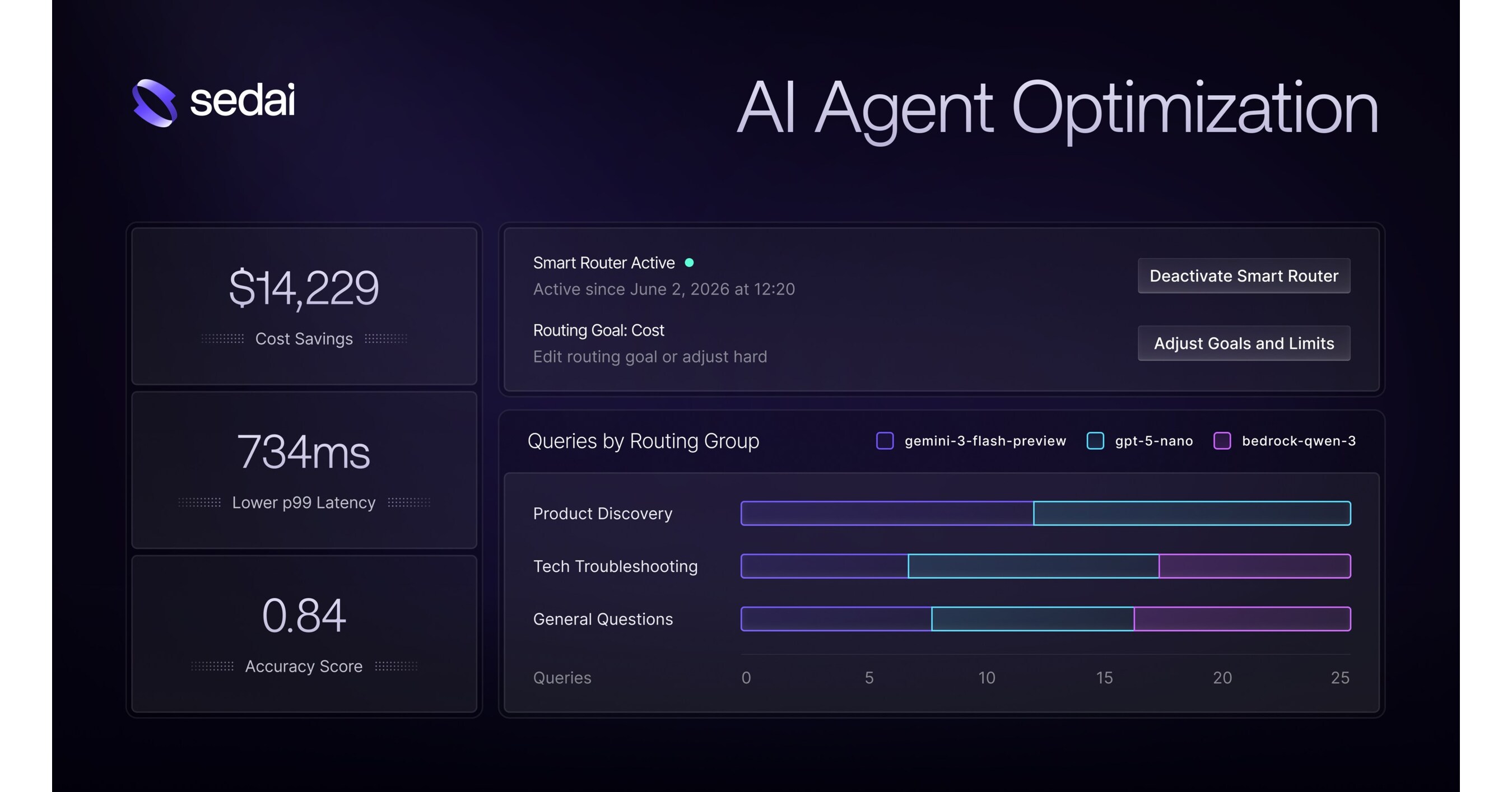
Not all AI models are created equal. A good router should support multiple model providers (e.g., OpenAI, Anthropic, Mistral). This diversity allows the system to route simple queries to cheaper, faster models while sending complex reasoning tasks to more powerful, albeit slower, models. This hybrid approach optimizes both cost and performance.

Look for routers that offer dynamic pricing or cost-aware routing. The Solver Router, for instance, can learn from historical data to route requests to the most cost-effective model that still meets quality thresholds. This is particularly useful for applications with high volume but variable complexity.

AI models can experience downtime or degraded performance. A robust router must have automatic fallback mechanisms. If the primary model fails or exceeds a latency threshold, the router should seamlessly switch to a backup model without interrupting the user experience. Check for documented uptime SLAs.
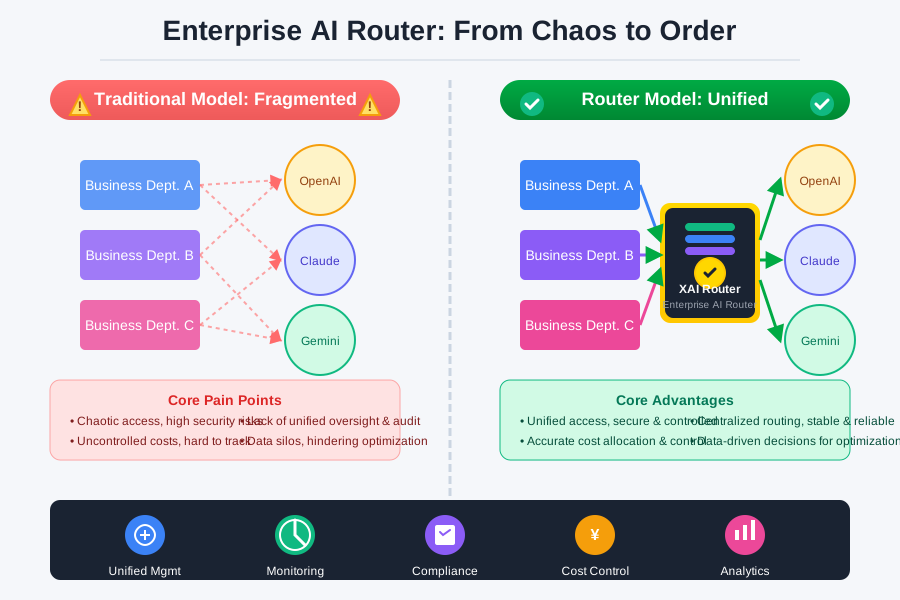
Some routers require significant code changes, while others offer simple API wrappers. Evaluate the SDKs and documentation provided. A router that integrates easily into your existing stack reduces development time and potential points of failure. Prioritize solutions with clear, well-maintained client libraries.
-
Define maximum acceptable latency
-
Identify required model providers
-
Set cost-per-request budget
-
Verify fallback SLA
-
Test SDK integration ease
Watch Out for Weak Options and Misleading Claims
The promise of sub-5ms latency via solver-based AI routing is often overstated. While machine learning optimizes decision trees, physical network constraints and hardware limitations rarely allow for consistent sub-5ms performance in complex, real-world environments. Buyers should treat these latency figures as best-case scenarios rather than guaranteed baselines.
Common Pitfalls to Avoid
-
Overstated Latency Claims: Many vendors advertise "sub-5ms" metrics without specifying the test conditions. These numbers often ignore network jitter, server load, or the overhead of preprocessing data. Always verify if the latency includes end-to-end processing or just the routing algorithm's execution time.
-
Ignoring Hardware Dependencies: AI routing performance is heavily tied to the underlying infrastructure. A solver router might excel in a controlled lab environment but degrade significantly under high throughput. Ensure your hardware stack can handle the computational load required for real-time inference.
-
Misunderstanding "AI" Routing: Not all routing is equal. Some systems use simple heuristics or rule-based logic while marketing themselves as "AI-driven." True AI routing involves dynamic learning and adaptation. Verify the vendor's use of machine learning models versus static algorithms to avoid paying for premium features that are actually basic logic gates.
-
Lack of Transparency in Solver Logic: Black-box solvers can make it difficult to troubleshoot routing failures. If a vendor cannot explain how their solver arrives at a specific route, you may face significant challenges during audits or compliance reviews. Demand clear documentation of the solver's decision-making process.
Ai-driven routing: what to check next
Readers often confuse general AI routing with specific network or logistics implementations. The following answers address common practical objections regarding AI model routing, ChatGPT's capabilities, and the role of AI routers in modern infrastructure.
No comments yet. Be the first to share your thoughts!