
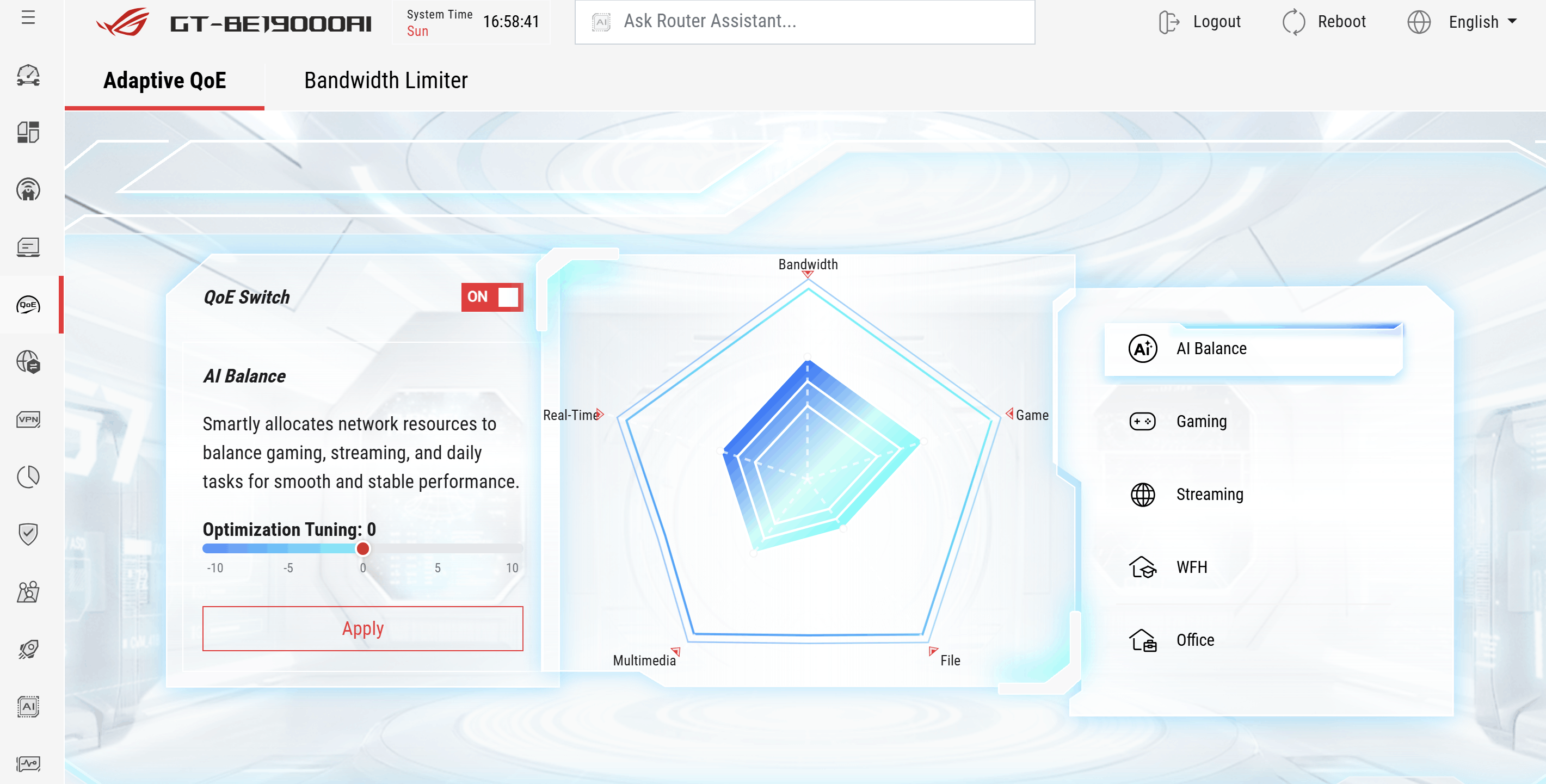
Ai network routing 2026 budget
AI Router Optimization works best when the purchase path is explicit. Verify the source, compare the offer against real alternatives, check the total cost, and confirm what happens after payment before you decide. After each comparison, write down the one risk that would change your mind. If the seller, condition, support, warranty, shipping, or upkeep still feels uncertain, resolve that question before moving to checkout.
The simplest way to use this section is to verify the seller, compare the total cost, and resolve the biggest risk before you commit.
Shortlist real options
Use this section to make the AI Router Optimization decision easier to compare in real life, not just on paper. Start with the reader's actual constraint, then separate must-have requirements from details that are merely nice to have. A practical choice should survive normal use, maintenance, timing, and budget. If a recommendation only works in an ideal situation, call that out plainly and give the reader a fallback path.
| Factor | What to check | Why it matters |
|---|---|---|
| Fit | Match the option to the primary use case. | A good deal still fails if it does not fit the job. |
| Condition | Verify age, wear, and service history. | Hidden condition issues erase upfront savings. |
| Cost | Compare purchase price with likely upkeep. | The cheapest option is not always the lowest-cost option. |
Inspect the expensive parts
Use this section to make the AI Router Optimization decision easier to compare in real life, not just on paper. Start with the reader's actual constraint, then separate must-have requirements from details that are merely nice to have. A practical choice should survive normal use, maintenance, timing, and budget. If a recommendation only works in an ideal situation, call that out plainly and give the reader a fallback path.
-
Verify the basicsConfirm the core specs, condition, and fit before comparing extras.
-
Price the downsideLook for the repair, maintenance, or replacement cost that would change the decision.
-
Compare alternativesCheck at least two comparable options before treating one listing as the benchmark.
The Hidden Costs of Ownership
Buying a router is the easy part. The real financial hit comes from the ongoing costs that don't show up on the receipt. AI-driven traffic analysis sounds efficient, but it requires constant calibration, software updates, and hardware headroom to keep latency low. If you underestimate these maintenance surprises, a cheap buy quickly becomes the most expensive option in your rack.
Power and Cooling Bills
AI routers often run higher core counts to process real-time traffic analysis. This increases power draw. In a dense datacenter or a home lab with poor ventilation, that extra wattage translates to higher electricity bills and potentially louder fans. Check the TDP (Thermal Design Power) before assuming a compact form factor means low operating costs.
Software and Subscription Fees
Many advanced AI features are locked behind subscription tiers. You might get the hardware for a discount, but the real-time optimization algorithms cost extra monthly. Calculate the total cost over three years. A slightly more expensive unit with a lifetime license often beats a cheap unit with recurring fees.
Upgrade Cycles
AI models evolve fast. A router optimized for 2024 traffic patterns may struggle with 2026 workloads. Plan for hardware refreshes every 3-5 years. If the device doesn't support modular upgrades, you'll have to replace the entire unit sooner than expected.


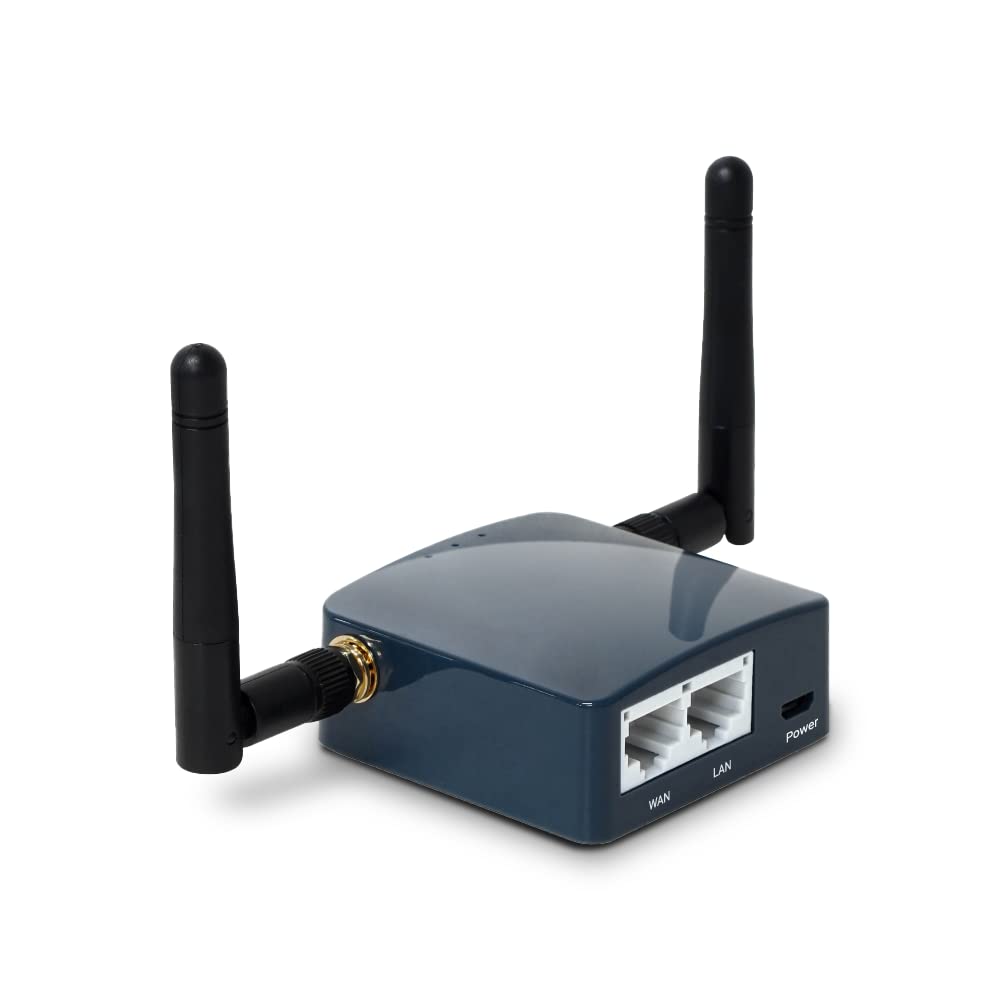
As an Amazon Associate, we may earn from qualifying purchases.
When to Walk Away
If the router requires specialized cooling or expensive monthly subscriptions, ask yourself if the 40% latency cut is worth it. For most users, a well-configured standard router with manual tuning offers better value. Only choose an AI router if you have the budget for the full ecosystem, not just the box.
No comments yet. Be the first to share your thoughts!