
Why Wi-Fi 7 changes mesh performance
The shift to Wi-Fi 7 marks the first major leap in wireless standards since Wi-Fi 6, addressing congestion in modern smart homes. In 2026, top mesh systems rely on two core upgrades: 320MHz channels and Multi-Link Operation (MLO). These features solve specific bottlenecks that caused lag during 4K streaming or video calls on older networks.
MLO is the standout feature. Unlike previous generations that forced devices to pick one frequency band (2.4GHz, 5GHz, or 6GHz), Wi-Fi 7 allows a device to connect to multiple bands simultaneously. If the 5GHz signal gets blocked by a thick wall, the router instantly routes data through the 6GHz or 2.4GHz band without dropping the connection. This redundancy is what makes systems like the TP-Link Deco BE63 and Orbi 870 feel invisible—they maintain stability even when dozens of devices are active.
320MHz channels double the available bandwidth on the 6GHz band. Think of it as widening a highway from two lanes to four. While you need Wi-Fi 7 clients to fully utilize this speed, the extra space reduces interference from neighbors' networks. This results in lower latency, which is critical for gaming and real-time communication.
Real-world gains are less about raw speed and more about consistency. A Wi-Fi 7 mesh system handles the chaotic demand of 2026 homes—where every appliance, camera, and screen is online—without the stuttering common in older setups. Upgrading now future-proofs your network for the next wave of high-bandwidth devices.
Best overall mesh system: Netgear Orbi 870
The Netgear Orbi 870 is the top choice for users who prioritize raw speed and extensive coverage. CNET lab tests awarded it top marks for throughput and jitter, noting its ability to maintain stable connections even under heavy load. PCMag highlighted the system’s tri-band architecture and multi-gig ports, which leverage high-end Wi-Fi 7 components to deliver consistent performance across large homes.
This system is designed for size and power rather than discretion. The router and satellite units are substantial, so placement requires planning to ensure they remain accessible and well-ventilated. However, the trade-off is worth it for households with thick walls or multiple floors, as the dedicated backhaul band ensures the main network stays fast regardless of how many devices are connected.
While the Deco BE63 offers a more compact form factor for smaller spaces, the Orbi 870 remains the superior choice for demanding environments. Its robust build and advanced Wi-Fi 7 features make it a future-proof investment for those who need reliability above all else.
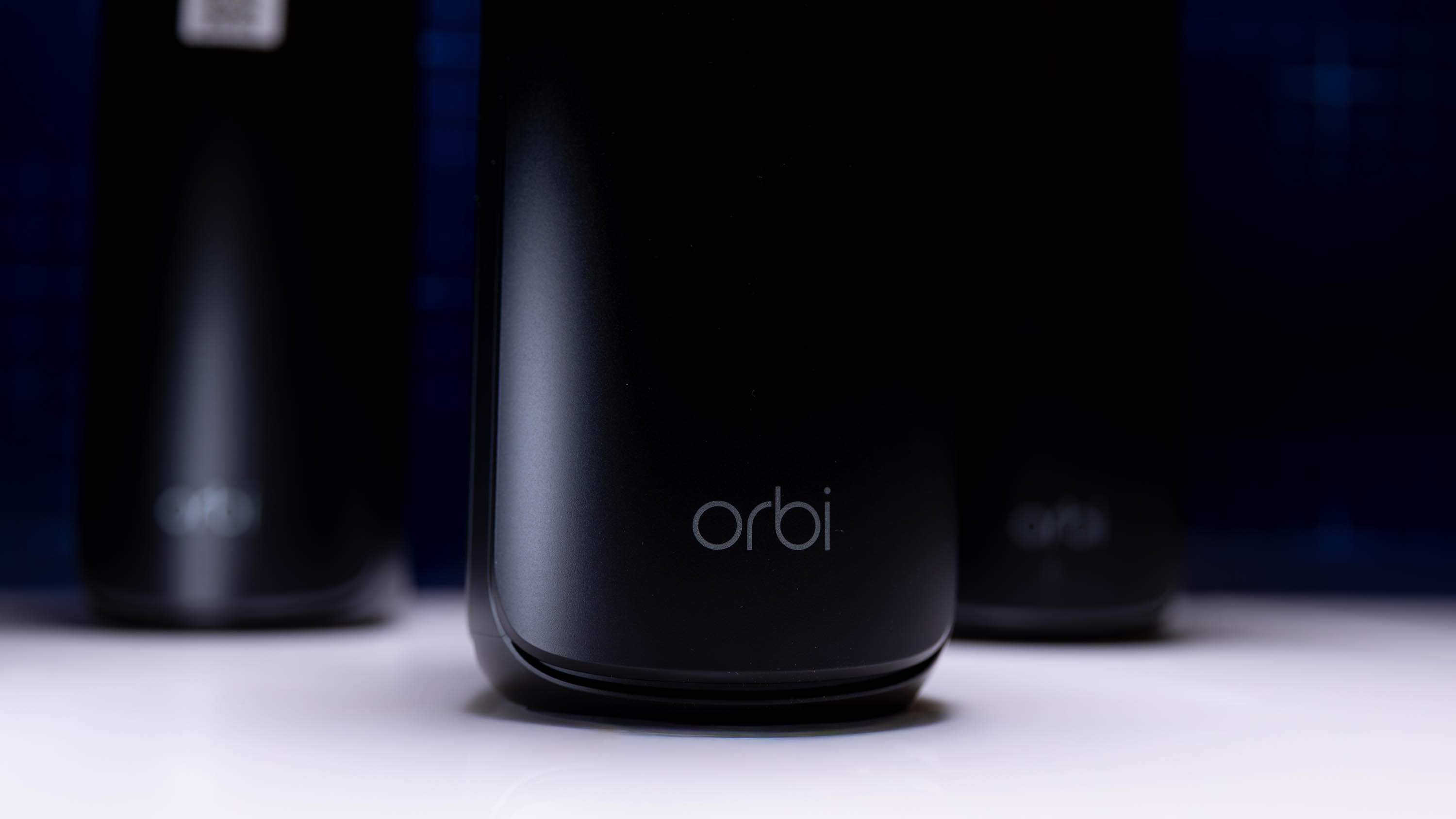
- Wi-Fi 7 support
- Tri-band design
- Multi-gig ports

As an Amazon Associate, we may earn from qualifying purchases.
Best value pick: TP-Link Deco BE63
The TP-Link Deco BE63 is the best mesh router 2026 for most households, offering a rare balance of high-end Wi-Fi 7 performance and accessible pricing. According to RTINGS testing, this tri-band system delivers stable coverage across the 2.4GHz, 5GHz, and new 6GHz bands, making it a reliable choice for average-sized homes without the premium price tag of flagship models.
Unlike more expensive options that require complex setups, the Deco BE63 prioritizes ease of use. It provides consistent whole-home coverage and handles multiple connected devices efficiently. For readers looking for a system that doesn't break the bank, this model offers the core Wi-Fi 7 benefits—speed and capacity—without unnecessary bloat.
Check current availability and pricing for the TP-Link Deco BE63 below:

As an Amazon Associate, we may earn from qualifying purchases.
Best for simplicity: eero Pro 7
The eero Pro 7 is the best mesh router 2026 picks can offer for users who want zero-friction setup and reliable background updates. If you prefer a system that works quietly in the background without requiring constant tinkering, this is the clear choice. It prioritizes stability and ease of use over raw, enthusiast-grade configuration options.
Setup takes minutes through the eero app, which guides you through placement and connection with minimal technical knowledge required. The system handles firmware updates automatically, ensuring your network stays secure and performant without manual intervention. This "set it and forget it" approach is why it consistently ranks high on Amazon best-seller lists for whole-home Wi-Fi systems.
Performance is solid for most households, supporting Wi-Fi 7 speeds that handle streaming, gaming, and video calls simultaneously. While it may not match the raw throughput of higher-end enthusiast models like the Orbi 870, it provides consistent coverage throughout the average home. The focus here is on reliability and simplicity, making it ideal for families or renters who want good Wi-Fi without the hassle.

As an Amazon Associate, we may earn from qualifying purchases.
How to choose the right mesh system
Selecting the best mesh router 2026 requires matching three variables: your home’s footprint, your internet plan speed, and your budget. A mismatch here results in dead zones or wasted money. Use this framework to narrow your options before comparing specific models.
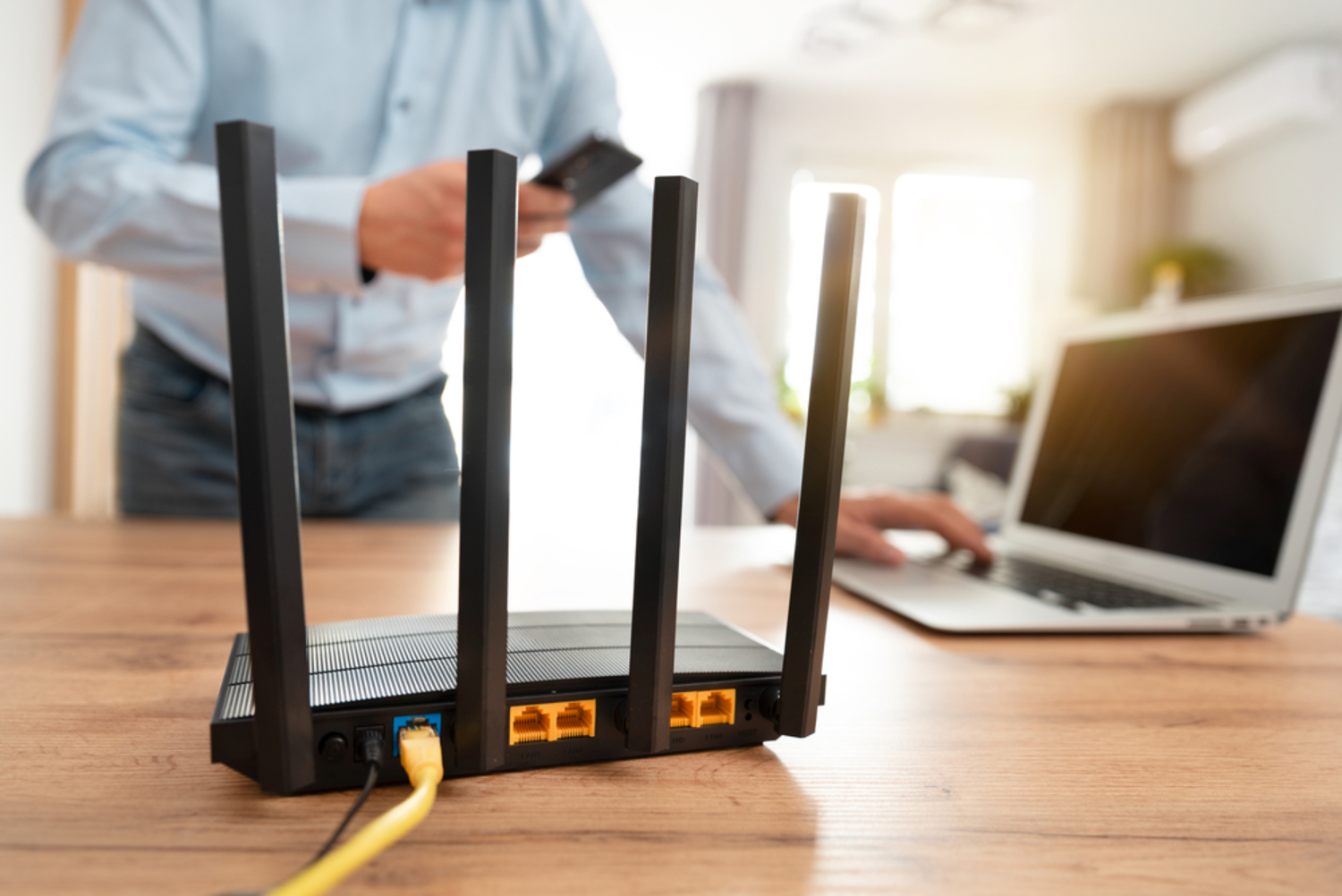
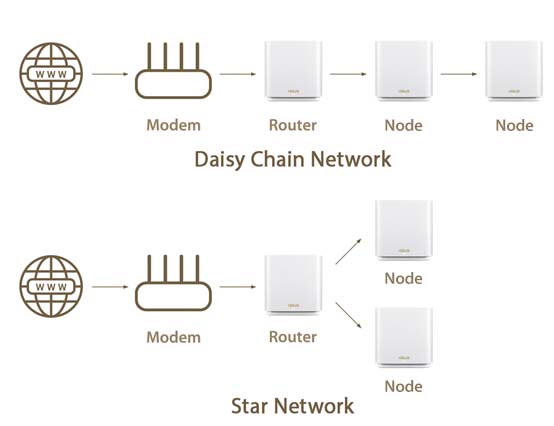
Start with square footage. A single unit like the Deco BE63 covers up to 2,000 square feet. For larger homes, you need a multi-node system. The Netgear Orbi 870 series handles 5,500+ square feet with three nodes. Count your floors; walls significantly reduce signal strength, so prioritize systems with dedicated backhaul bands for vertical coverage.
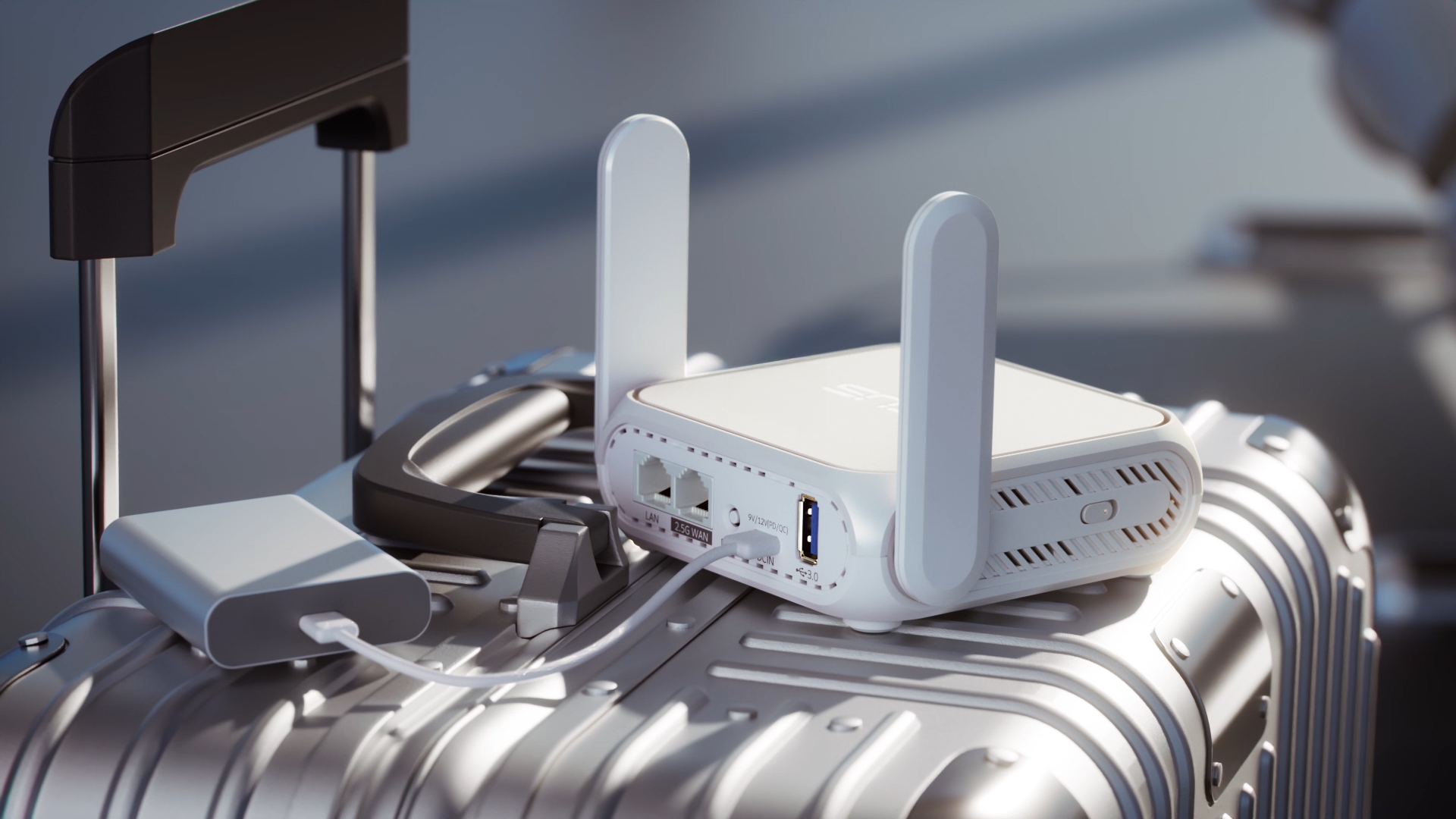
Your mesh system cannot exceed your internet service provider’s speed. If you pay for 500 Mbps, a Wi-Fi 7 router promising 10 Gbps is overkill unless you move large files locally. For most households, a Wi-Fi 6E or mid-tier Wi-Fi 7 system like the TP-Link Deco XE75 provides ample throughput. Ensure the backhaul speed is sufficient to maintain that throughput across nodes.
Mesh systems range from $200 to $600+. Entry-level kits cover small apartments. Mid-range options ($300-$400) offer the best balance of speed and features for average homes. High-end kits ($500+) include tri-band dedicated backhaul and advanced gaming features. Avoid buying more nodes than you need; each additional node adds cost and potential points of failure.
-
Check home square footage
-
Verify internet plan speed
-
Determine number of required nodes
-
Set maximum budget


As an Amazon Associate, we may earn from qualifying purchases.
Wi-Fi 7 mesh systems compared
Choosing the right best mesh router 2026 often comes down to balancing coverage, speed, and connectivity options. The top contenders each prioritize different aspects of home networking, from raw throughput to port versatility.
The Netgear Orbi 870 leads in raw performance, delivering exceptional throughput and low jitter ideal for large homes with heavy bandwidth demands. TP-Link’s Deco BE63 offers a compelling tri-band Wi-Fi 7 experience at a more accessible price point, covering multiple floors efficiently. Meanwhile, the eero Pro 7 focuses on simplicity and reliability, supporting internet plans up to 2.5 Gbps with a clean, user-friendly interface.
The table below breaks down the key specifications for these three leading systems, helping you decide which hardware fits your specific home layout and internet plan.
Common mesh router: what to check next
Is Wi-Fi 7 backward compatible with older devices? Yes. Wi-Fi 7 routers like the TP-Link Deco BE63 work alongside Wi-Fi 6 and Wi-Fi 6E devices. Your older phones and laptops will still connect, but they won't get the speed boosts reserved for Wi-Fi 7 hardware. Think of it like a highway: the new lanes are faster, but the old cars can still use the existing roads.
Do I need a Wi-Fi 7 modem? No. A Wi-Fi 7 mesh system, such as the Orbi 870, connects to your existing modem via Ethernet. The router handles the wireless distribution. As long as your internet plan supports the speeds you want, your current modem is fine. The bottleneck is usually the plan speed, not the router generation.
Do I need a Wi-Fi 7 compatible device to see benefits? Yes. To experience Wi-Fi 7 speeds, your client devices (phones, laptops, consoles) must also support the Wi-Fi 7 standard. If you have a Wi-Fi 6 phone, it will connect to the mesh network but operate at Wi-Fi 6 speeds. You need the newest hardware on both ends to access the full potential of these 2026 mesh router picks.
No comments yet. Be the first to share your thoughts!