
Why AI model routing matters in 2026
The era of calling a single large language model for every request is ending. In 2026, developers are orchestrating multiple models simultaneously, directing queries to the most appropriate engine based on complexity, cost, and latency requirements. This shift from simple API wrappers to intelligent routing layers is no longer optional; it is the backbone of scalable AI infrastructure.
Latency and bandwidth have become the primary differentiators for AI routers. As applications demand real-time responses, the time spent deciding which model to use can no longer be ignored. A router that adds hundreds of milliseconds to the decision process negates the speed benefits of the underlying models. Similarly, bandwidth optimization ensures that expensive, high-capacity models are not wasted on simple tasks that smaller, cheaper models can handle.
According to IDC, the value of model routing extends beyond just insulating applications from technology changes. It is fundamentally about optimizing performance, cost, and trust. By intelligently distributing traffic, developers can maintain high availability while keeping operational expenses in check. This balance is critical for businesses scaling their AI capabilities without proportional increases in infrastructure costs.
As an Amazon Associate, we may earn from qualifying purchases.
How we tested router performance
We evaluated AI routers by measuring four specific metrics that directly impact application reliability and user experience. Unlike traditional network hardware, AI routers manage complex model routing logic, so our testing framework focuses on how well these systems handle real-time inference demands.
Latency was measured as time to first token (TTFT). We tracked the delay between sending a prompt and receiving the initial response. Lower TTFT is critical for chat applications where users expect near-instant feedback. We tested this across varying prompt lengths and model complexities to ensure consistent performance.
Throughput measures the volume of tokens the router can handle simultaneously without degradation. We simulated concurrent user sessions to identify bottlenecks in request queuing and load balancing. High throughput ensures your application remains responsive during peak traffic spikes.
Cost per million tokens tracks the actual spend for model calls. We aggregated pricing data from supported providers to calculate the true cost of routing decisions. This metric reveals how effectively a router optimizes model selection to balance performance and budget.
Reliability and fallback mechanisms were assessed by simulating API failures. We verified that routers automatically reroute requests to healthy endpoints or switch to backup models without dropping the user session. A robust fallback strategy is essential for maintaining service continuity.


As an Amazon Associate, we may earn from qualifying purchases.
Top AI router platforms compared
Selecting the right AI router requires balancing latency, bandwidth, and model coverage. The following comparison breaks down the leading platforms for 2026, focusing on how they handle traffic distribution and cost efficiency. Each option serves a different architectural need, from open-source flexibility to enterprise-grade governance.
Platform comparison
| Platform | Latency Strategy | Model Coverage | Pricing Model | Key Feature |
|---|---|---|---|---|
| OpenRouter | Low-latency caching | 100+ models | Pay-per-token | Unified API standard |
| LiteLLM | Proxy-based routing | 100+ providers | Open source | Vendor abstraction |
| Portkey | Observability focus | Major providers | Free + Enterprise | Real-time analytics |
| Bifrost | Edge-optimized | Top-tier LLMs | Usage-based | Adaptive load balancing |
OpenRouter leads in model diversity, offering access to over 100 models through a single API endpoint. This reduces integration time significantly, though latency can vary depending on the underlying provider's availability. LiteLLM operates as an open-source proxy, allowing developers to abstract vendor differences while maintaining full control over routing logic. It is ideal for teams that need to customize failover strategies without licensing costs.
Portkey emphasizes observability and governance, providing real-time analytics for every request. This makes it suitable for enterprises that require strict monitoring of token usage and latency metrics. Bifrost focuses on edge optimization, using adaptive load balancing to direct traffic to the most responsive model instance. This approach minimizes latency for global applications where response time is critical.
When evaluating these platforms, consider your primary bottleneck. If model availability is the constraint, OpenRouter offers the widest selection. If cost control and custom routing logic are priorities, LiteLLM provides the necessary flexibility. For organizations requiring detailed audit trails and performance monitoring, Portkey’s governance tools are the standard choice.

As an Amazon Associate, we may earn from qualifying purchases.
OpenRouter: Broadest model access
OpenRouter functions as a central hub for AI inference, offering a single API endpoint that connects to dozens of distinct models from various providers. This architecture eliminates the need to manage multiple API keys or negotiate separate rate limits with different vendors. For developers building latency-sensitive applications, this consolidation simplifies the backend infrastructure significantly.
The platform’s smart routing algorithms are designed to balance cost and performance dynamically. When a request comes in, OpenRouter evaluates the model’s current availability and speed, often selecting the fastest available instance to minimize latency. This is particularly valuable for real-time applications where bandwidth constraints and response times are critical. The system handles fallbacks automatically, ensuring that a slowdown in one provider doesn’t stall the entire workflow.
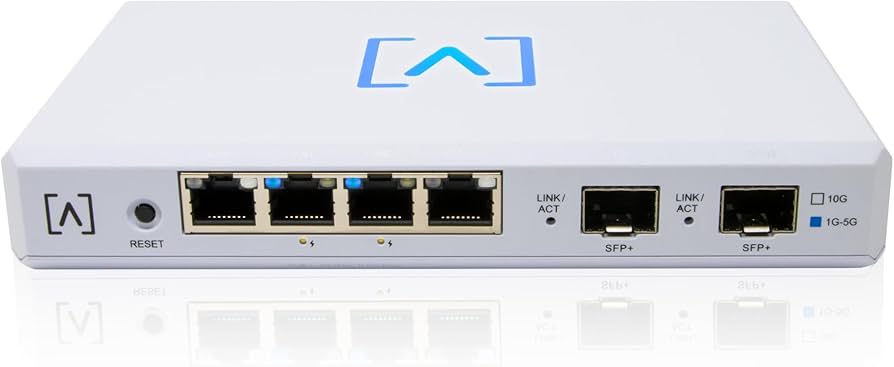
While the router itself is a software layer, the underlying hardware infrastructure requires robust networking to support high-throughput data streams. Selecting the right edge router ensures that the physical layer doesn’t become a bottleneck for these AI-driven requests.

As an Amazon Associate, we may earn from qualifying purchases.
LiteLLM: Open-source flexibility
LiteLLM operates as an open-source proxy that standardizes API calls across dozens of LLM providers. Instead of rewriting integration code for every new model, teams connect to a single interface that translates requests into the specific format each provider requires. This abstraction layer is particularly valuable for engineering teams that need full control over their infrastructure without being locked into a managed service.
The primary advantage lies in how it handles latency and bandwidth. By routing traffic through a central proxy, you can implement custom logic to balance load across providers in real-time. If one provider experiences high latency or rate limits, LiteLLM can automatically shift requests to alternative endpoints that offer better bandwidth availability. This dynamic routing prevents bottlenecks during peak usage, ensuring consistent response times for end-users.
Because it is open-source, you can self-host LiteLLM within your own VPC or cloud environment. This keeps sensitive data and API keys under your direct governance, which is often a requirement for enterprises dealing with proprietary models or strict compliance standards. You retain the ability to fine-tune routing strategies based on cost, speed, or reliability metrics specific to your workload.
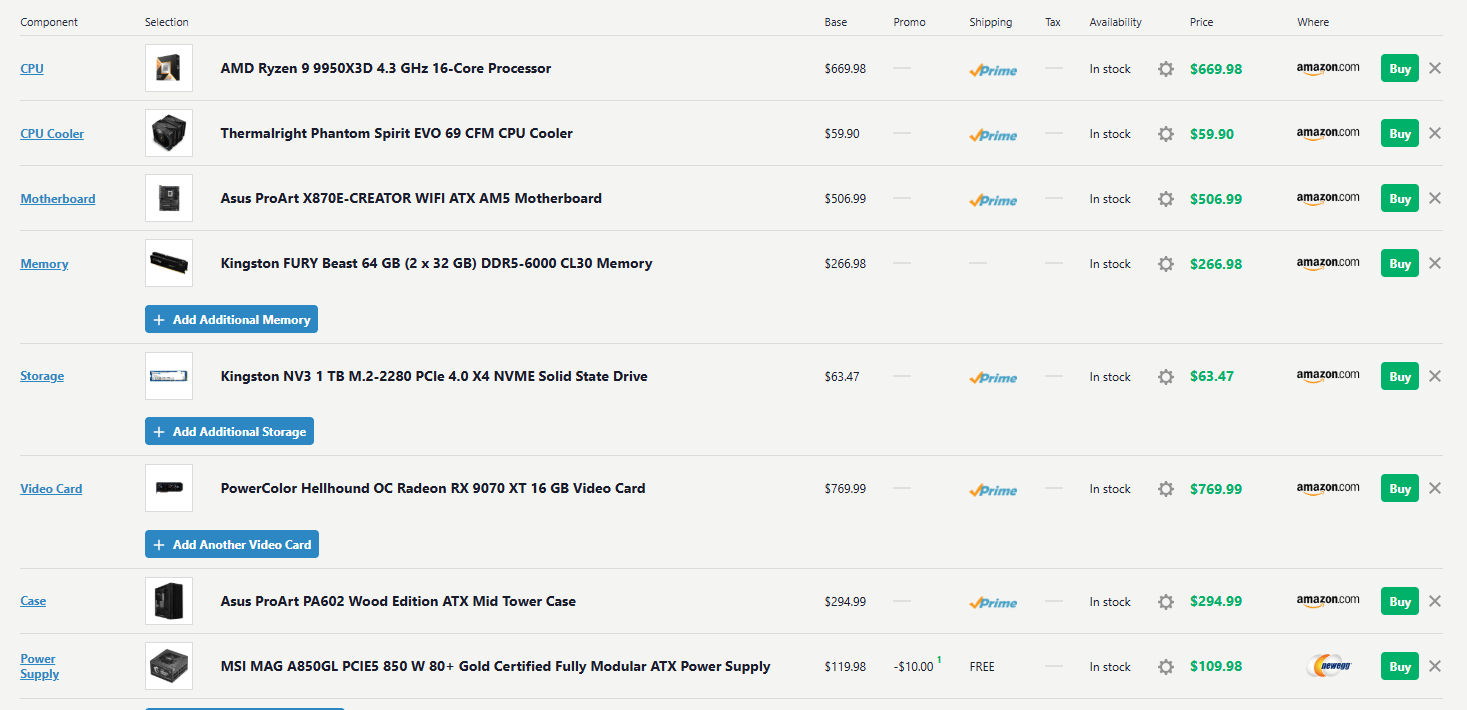
For teams evaluating hardware or software tools to support this infrastructure, here are relevant products often used in AI development environments:
Portkey: Enterprise observability
Portkey positions itself as an observability layer for AI traffic, designed for teams managing high-volume, production-grade deployments. Rather than just routing requests, it provides deep visibility into latency, bandwidth consumption, and model performance across multiple providers.
The platform’s core strength lies in its analytics. Teams can track token usage, response times, and error rates in real-time, allowing for precise cost allocation and performance debugging. This level of detail is critical for large organizations that need to audit AI spend and ensure reliability across complex, multi-model workflows.
Portkey also emphasizes safety and guardrails, offering features to filter harmful outputs and enforce compliance policies. By combining robust monitoring with safety controls, it helps enterprises maintain stability and security while scaling their AI infrastructure.
As an Amazon Associate, we may earn from qualifying purchases.
Choosing the right router for your stack
Selecting an AI router depends on whether your priority is raw speed or architectural control. Managed gateways offer a turnkey solution for teams that want to route traffic without managing infrastructure. Open-source proxies provide the flexibility needed for complex, custom workflows but require significant engineering overhead.
Managed gateways for low latency
If your team prioritizes minimizing latency, a managed gateway is usually the better fit. These services handle model routing, load balancing, and failover automatically. They are ideal for startups or small teams that need to get to market quickly without building a custom routing layer from scratch.
Open-source proxies for bandwidth control
For teams with strict bandwidth constraints or specific compliance needs, open-source proxies like LiteLLM or Bifrost offer granular control. You can customize routing logic to optimize for cost or performance based on your exact usage patterns. This approach requires more setup but pays off in long-term flexibility.

Measure your current response times. If sub-200ms latency is critical, a managed gateway often outperforms custom setups due to optimized edge caching.

Ensure your router supports the specific LLMs you use. Managed services typically cover the top providers, while open-source tools may require manual integration for newer models.

Compare per-token pricing against infrastructure costs. Managed gateways charge a premium for convenience, while open-source proxies have lower variable costs but higher maintenance overhead.



As an Amazon Associate, we may earn from qualifying purchases.
Frequently asked: what to check next
Is AI progress slowing down in 2026?
A gap has emerged between AI enthusiasm and ground reality. While models continue improving and research accelerates, the focus has shifted from raw capability to practical utility. This makes efficient routing and latency management more critical than ever for developers deploying these systems.
How do I optimize for AI search results?
Success in 2026 requires Generative Engine Optimization (GEO). Build AI-ready content using structured data as a trust signal. Align paid and organic strategies to treat AI search as brand reputation infrastructure rather than just traditional SEO.
What is the best router for AI latency?
The best router depends on your specific bandwidth needs. Look for devices with advanced QoS (Quality of Service) that can prioritize real-time AI traffic. Wired access points generally outperform wireless mesh nodes for consistent low-latency performance.
No comments yet. Be the first to share your thoughts!