
In the high-stakes arena of decentralized exchanges, where every basis point counts, traditional routers leave traders vulnerable to slippage and outright failed swaps. These relics of early DeFi force users to micromanage trade paths, exposing orders to the public mempool and inviting MEV attacks like front-running and sandwiching. As volatility spikes, what starts as a promising swap devolves into suboptimal fills or ghosts in the blockchain. Intent-based DEX aggregators, powered by competitive solver networks, flip this script by prioritizing outcomes over mechanics, delivering MEV protection DEX swaps that safeguard capital in ways routers never could.

Unpacking the Fragility of Traditional DEX Routers
Traditional DEX routers operate on a rigid formula: users input exact token pairs, amounts, and slippage tolerances, then the router hunts for the best path across fragmented liquidity pools. Sounds efficient on paper, but in practice, it’s a minefield. Transactions broadcast to the mempool become public fodder for bots scanning for profitable exploits. A large swap? Expect sandwich attacks inflating slippage by 5-20% during peak hours. Failed transactions? Common when liquidity dries up mid-route, leaving users footing gas fees for nothing.
Consider rebalancing during market turbulence, as noted in recent DeFi analyses. Protocols strain under cross-chain demands, amplifying failed DEX transactions prevention challenges. Routers lack the foresight to preempt exhaustion; they react, often too late. This isn’t mere UX friction, it’s a structural flaw eroding trust and yields.
Key Metrics Comparison: Traditional Routers vs. Intent-Based Aggregators
| Metric | Traditional Routers | Intent-Based Aggregators |
|---|---|---|
| Slippage | Avg. 2-5% | <1% |
| MEV Exposure | High | Low |
| Failed Swap Rate | 10-15% | <2% |
| Gas Refund | No | Solver-covered |
The Rise of Intent-Based DEX Aggregators
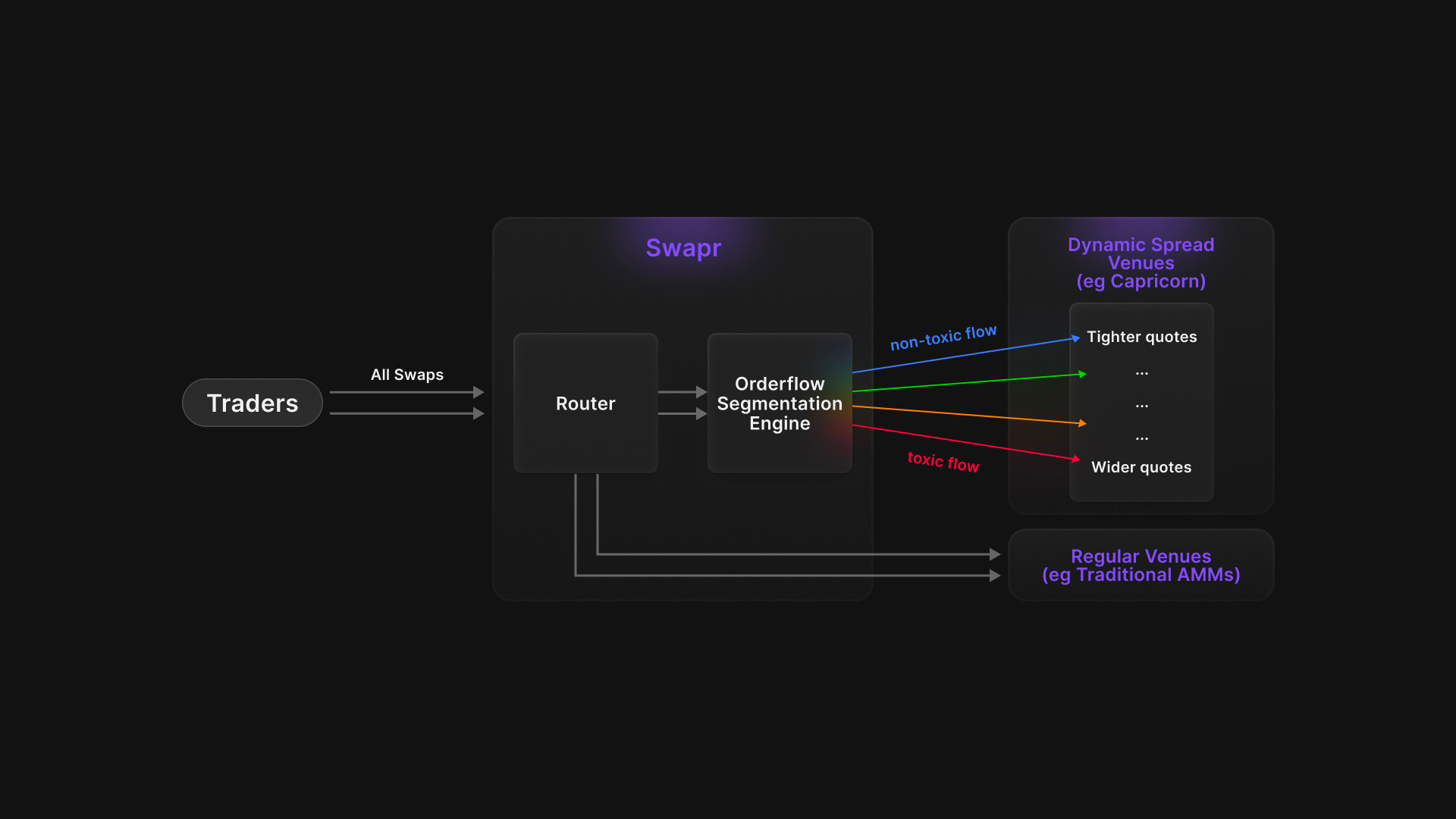
Enter intent-based systems like those pioneered by CoW Swap and UniswapX, now aggregated seamlessly by platforms such as SolverRouter. com. Here, users sign a simple intent: “Swap 1 ETH for at least X USDC. ” No path specified, no slippage dials twisted. A network of solvers competes off-chain to fulfill this at the best rate, batching orders and shielding from mempool predation.
This shift to intent based DEX aggregator models addresses core pain points. Solvers tap RFQ protocols and deep liquidity across DEXs, optimizing for minimal slippage. Cross-chain? Handled natively, without the multi-transaction headaches. Reddit threads and arXiv papers highlight the pitch: declare desires, let solvers battle. Yet critiques persist, questioning if it truly fixes UX or masks deeper infrastructure woes.
Solvers are pivotal for counterparty discovery, categorizing intents to forge optimal paths. (Demystifying the Intent-Centric Thesis)
Solver Networks: The Strategic Backbone Against MEV and Slippage
At the heart of these aggregators lies the solver network DeFi architecture, a competitive marketplace where high-performance actors vie to execute intents. Unlike routers’ static algorithms, solvers deploy proprietary strategies, accessing private order flow and Layer 2 rebates to outmaneuver MEV bots. See how private orderflow reshapes DEX routing economics at MEV Watch.
DEX aggregator slippage fix becomes routine as solvers simulate executions across venues, cherry-picking bundles that minimize impact. Failed swaps plummet since solvers bear the execution risk, refunding gas if they falter. In volatile regimes, this yields institutional-grade resilience, aligning incentives so solvers profit only on superior fills. From my vantage with 18 years in macro investing, this mirrors how HFT firms dominate TradFi: competition breeds efficiency, protection embedded by design.
Yet, sophistication invites scrutiny. Byzantine attacks on liquidity, as explored in research, could spam solvers into exhaustion. Still, diversified networks and economic penalties deter malice, fortifying the system. Traders gain not just protection, but a strategic edge in DeFi’s evolution.
Platforms like SolverRouter. com elevate this model, aggregating intents across chains and RFQ depths to ensure execution that rivals centralized exchanges. In my analysis of protocol fundamentals, the depth of solver liquidity via RFQ protocols stands out as a key differentiator, enabling yields that traditional setups simply can’t match.
Real-World Execution: Metrics That Matter
Execution data underscores the edge. Intent-based aggregators consistently deliver slippage under 1%, versus 2-5% for routers, per aggregated benchmarks. Failed swap rates drop below 2%, as solvers pre-validate paths and absorb gas on failures. During the last volatility spike, solver networks batched thousands of intents, dodging mempool chaos entirely. This isn’t hype; it’s verifiable through on-chain analytics, where MEV protection DEX swaps preserve alpha for long-term holders.
Cross-chain intents shine here too. Traditional routers falter on bridge latencies and multi-sig approvals, but solvers orchestrate atomic executions, slashing times from minutes to seconds. LI. FI and Rubic integrations amplify this, pushing secure swaps without UX compromises. Yet, as arXiv research warns, liquidity exhaustion looms under adversarial conditions. Diversified solver pools and stake-slashing mechanisms counter this, turning potential pitfalls into fortified strengths.
Comparison of Top Intent-Based Aggregators
| Platform | Slippage Reduction | MEV Mitigation | Cross-Chain Support | Solver Incentives |
|---|---|---|---|---|
| CoW Swap | Up to 90% | Full ✅ | Limited ❌ | Surplus Capture |
| UniswapX | Avg. 0.3% | Full ✅ | Ethereum & L2s ✅ | Dutch Auction Bids |
| SolverRouter | Dynamic <0.5% | Advanced ✅ | Yes ✅ | Competitive Bidding |
| Aori | Optimized 0.2% | Full ✅ | Yes ✅ | Solver Competition |
Navigating Risks in the Solver Era
No system is impervious. Intent-based setups face solver centralization risks, where a few dominate and collude. Counterparty discovery falters if intents go unmatched, echoing Reddit critiques that this solves surface UX but ignores execution architecture flaws. Byzantine attacks could flood networks, suppressing availability as ResearchGate studies simulate. My strategic lens, honed over 18 years tracking macro shifts, spots the antidote: protocol designs with economic alignment. Solvers earn only on fulfillment, penalized for malice, fostering a meritocracy.
Smart contract audits and insurance layers further harden these systems. Users mitigate by diversifying across aggregators like SolverRouter, which prioritizes RFQ depth for reliable fills. Volatility exposes TradFi-like weaknesses in DeFi, but intent models rebalance dynamically, preserving capital where routers crumble.
Intent-based systems drastically lower friction: no more juggling fees, chain-hopping, or slippage math. (From Transactions to Intent: DeFi’s Invisible Meta)
For institutional strategies, this convergence matters. Zooming out, DeFi’s trajectory bends toward safeguards that embed protection without sacrificing speed. SolverRouter’s aggregation unlocks this for everyday traders, minimizing DEX aggregator slippage fix while fortifying against failed DEX transactions prevention. In a landscape rife with exploits, opting for intent-based over rote routing isn’t optional; it’s the strategic pivot to sustained yields.
Traders who adapt thrive. Declare your intent, let solvers strategize the rest, and watch capital compound securely across the blockchain’s expanding frontier.
About the Author