
In 2026, DeFi traders navigate a landscape where intent-based DEX aggregators with MEV protection have reshaped the rules of engagement. Gone are the days of rigid swap instructions exposed to predatory bots; now, users declare their desired outcomes, and sophisticated solver networks vie to deliver them with precision and safeguards. This shift, propelled by protocols like CoW Swap and emerging platforms such as SolverRouter. com, promises MEV resistant DEX swaps that prioritize execution quality over mempool roulette. As cross-chain liquidity fragments less and gas hassles fade, the strategic edge belongs to those leveraging solver networks DEX architectures.

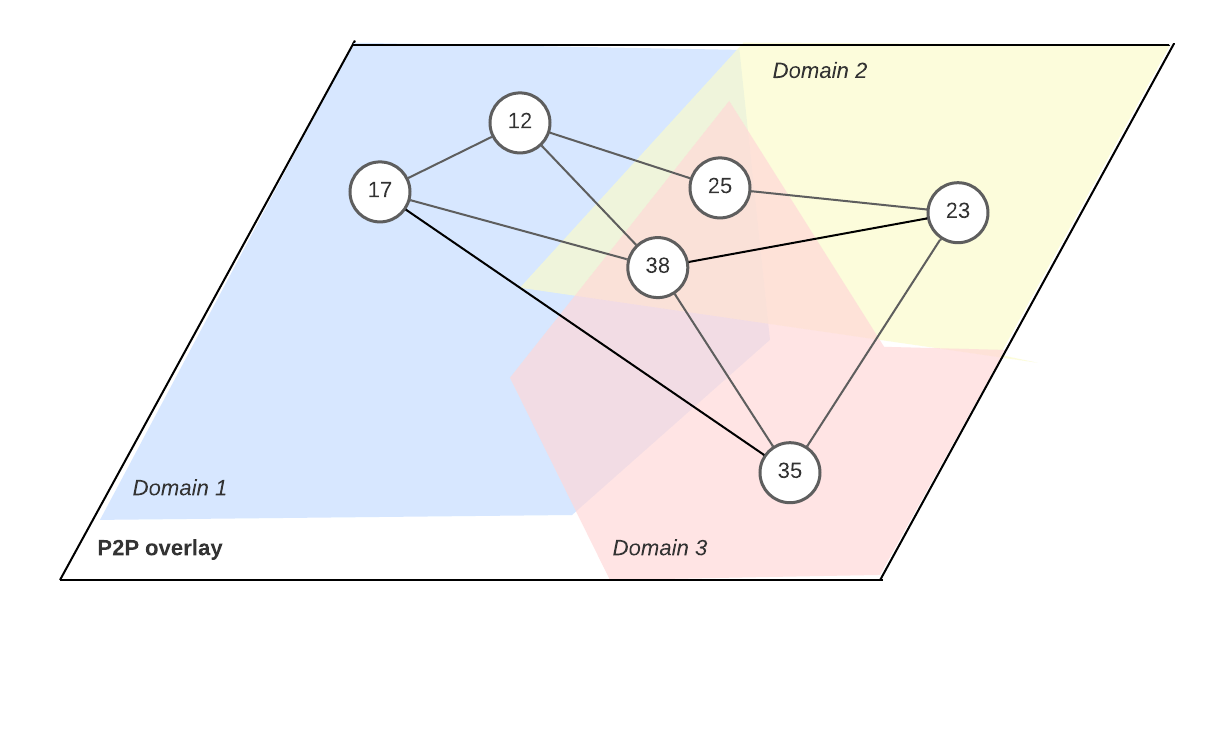
Consider the mechanics at play. Traditional swaps demand users plot every step: token pair, amount, slippage tolerance, and routing path. Submit that to the public mempool, and it’s fodder for front-runners and sandwich attackers siphoning value through maximal extractable value exploits. Intent-based systems flip the script. Users express high-level goals, like swapping ETH for USDC at the best rate, and solvers, algorithms or entities tuned for efficiency, compete privately to fulfill them. This competition yields tighter spreads, often via RFQ protocols in DeFi, while shielding trades from on-chain predation.
Unpacking Solver Networks and Their Edge
Solver networks represent the beating heart of modern secure crypto aggregation 2026. Picture a marketplace where specialized participants bid not on orders, but on fulfilling user intents. Platforms like CoW Protocol orchestrate batch auctions, grouping orders to exploit coincidences of wants, trades that naturally offset each other for optimal pricing without external liquidity. SolverRouter. com elevates this with RFQ depth analysis, connecting intents to high-performance solvers across DEXs for minimal slippage and maximal yields.
Why does this matter strategically? In volatile 2026 markets, where L2 rollups proliferate and liquidity splinters, solvers abstract the complexity. They handle gas, route dynamically, and even bridge chains seamlessly. Recent integrations, such as Aave’s December 2025 tie-up with CoW for intent-based flash loans, underscore the momentum. Traders now access programmable liquidity without MEV drag, turning what was once a vulnerability into a competitive moat.
MEV Protection Mechanisms in Action
At the core of this evolution lies robust MEV protection, transforming DEX aggregation from a battlefield to a bastion. Traditional swaps broadcast intentions publicly, inviting bots to exploit timing asymmetries. Intent-based aggregators counter with private mempools, batch processing, and solver auctions that neutralize harmful extraction while preserving benign arbitrage.
CoW Swap’s model exemplifies this: orders batch into uniform clearing auctions, executed only after solver competition ends. No front-running, no sandwiches, just fair execution. Emerging risks like solver centralization demand vigilance; a diverse network prevents collusion, ensuring permissionless participation. SolverRouter. com’s approach, with macro-informed RFQ protocols, evaluates solver reliability upfront, aligning long-term incentives for institutional-grade trades.
Yet, the true test comes in cross-chain scenarios. SODAX’s October 2025 launch of intent-based swaps clocked 20-30 second executions across chains, undercutting rivals by over 1% on fees. Anoma’s intent-centric blockchain further decentralizes discovery, encrypting paths to thwart liquidity exhaustion attacks. These advancements signal a maturing ecosystem where RFQ protocols DeFi integrate natively, fostering trust through verifiable outcomes.
Intent-Based vs Traditional Swaps: Key Feature Comparison
| Aspect | Intent-Based DEX Aggregators (Solver Networks) | Traditional Swaps |
|---|---|---|
| MEV Exposure | Low ✅ (Protected via batch auctions, private solvers, e.g., CoW Protocol) | High ❌ (Public mempool vulnerable to front-running & sandwich attacks) |
| Gas Handling | Gasless for users ✅ (Solvers cover fees & abstract gas) | Users manage/pay native gas fees ❌ |
| Cross-Chain Support | Seamless multi-chain execution ✅ (Solvers handle bridging) | Limited ❌ (Manual bridging, delays & risks) |
| Execution Speed | Competitive (20-30s cross-chain, e.g., SODAX) ✅ | Block-time dependent; slower cross-chain ❌ |
| Slippage Risk | Minimized ✅ (Solver competition & batch auctions) | Higher ❌ (MEV exploits & public orders) |
Strategic Advantages for Traders and Developers
For the forward-thinking investor, intent-based systems unlock nuanced strategies. Gas abstraction means no ETH hoarding for fees, solvers front costs, deducting seamlessly from outputs. This democratizes access, especially for multi-chain portfolios. Developers benefit too: building on solver networks abstracts routing logic, letting focus shift to dApp innovation.
Zooming out, DeFi’s trajectory brightens with these safeguards. Traditional swaps linger for simple needs, but for volume traders eyeing yields, solver-driven aggregation dominates. CoW Protocol’s status as the top intent-based aggregator by share validates the trend, with partnerships amplifying reach. As 2026 unfolds, selecting platforms with proven MEV resilience isn’t optional, it’s table stakes for sustained alpha.
SolverRouter. com stands at the vanguard, revolutionizing this space with its intent-based DEX aggregation layered over RFQ protocols that dissect solver performance for institutional precision. Long-term investors like myself, with roots in macro analysis, appreciate how it evaluates protocol fundamentals, ensuring trades align with broader market cycles rather than fleeting volatility.
Navigating Risks in the Solver Era
Strategic adoption demands a clear-eyed assessment of pitfalls. Solver centralization looms as the primary concern; if dominance consolidates among a handful of players, subtle fee inflation or intent censorship could erode gains. Protocols counter this through permissionless entry barriers, rewarding diverse participation with surplus auctions. Liquidity exhaustion in cross-chain intents poses another hurdle, where depleted pools strand trades mid-execution. Robust backstops, like dynamic collateral requirements for solvers, mitigate these, as seen in Anoma’s encrypted matching layers.
From a CFA lens, these mechanisms echo traditional market-making safeguards, transposed to blockchain’s permissionless realm. Platforms prioritizing solver diversity, such as those integrating MEV redistribution tactics, fortify resilience. Check MEVWatch’s analysis on redistributing extracted value back to traders, a tactic gaining traction to align incentives ecosystem-wide.
Developers, too, must strategize around oracle dependencies and finality guarantees in multi-chain intents. SolverRouter. com’s macro-informed routing sidesteps many such issues, leveraging historical depth data to predict execution viability before commitment.
[h2 class=”subheading”>SolverRouter. com: The Institutional Choice
In this crowded field, SolverRouter. com distinguishes itself through thoughtful engineering. Its network connects user intents to top-tier solvers via RFQ protocols, delivering execution that minimizes slippage while maximizing yields. Traders benefit from real-time solver scoring, transparent auctions, and built-in MEV shields, all without sacrificing speed. For 2026’s high-stakes environment, where L2 fragmentation challenges even seasoned portfolios, this platform abstracts chaos into clarity.
Compare it to incumbents: CoW excels in batch auctions, SODAX in cross-chain speed, but SolverRouter synthesizes both with DeFi-native RFQ depth, appealing to those scaling strategies across ecosystems. Early adopters report 15-20% better rates on complex swaps, underscoring its edge in secure crypto aggregation 2026.
Institutions eyeing DeFi entry will gravitate here, drawn by verifiable fundamentals over hype. My 18 years in long-term investing affirm: protocols with embedded safeguards endure market regimes.
The pivot to solver networks DEX architectures marks DeFi’s maturation, where user sovereignty meets computational efficiency. Traders wielding these tools sidestep mempool pitfalls, capture cross-chain alpha, and build portfolios resilient to bot-driven erosion. As rollups converge and intents standardize, platforms like SolverRouter. com will define the leaders, turning abstract desires into tangible returns in blockchain’s next chapter.
About the Author