In the high-stakes world of Solana token launches, where new projects ignite overnight frenzy, MEV attacks lurk like sharks in the mempool. Traders aiming to snag early allocations often face sandwich attacks or front-running, eroding profits before trades even settle. With Solana’s Binance-Peg SOL hovering at $91.40 after a 24-hour gain of and $4.45, the blockchain’s speed amplifies these risks, especially as malicious validators now dominate the MEV landscape. Enter intent-based DEX aggregators like SolverRouter. com, which flip the script by keeping your trade details private and pitting solvers against each other for the best execution.

Solana Token Launches: A Prime Target for MEV Exploitation
Solana’s blistering throughput makes it a hotspot for token launches in 2026, but that velocity comes at a cost. Search bots and validators scan the mempool for juicy opportunities, slipping in front of your buy order to pump the price, then selling right after you. This sandwich attack can wipe out 10-20% of your gains on volatile new tokens. Recent shifts, as noted in bloXroute reports, show validators extracting value directly, bypassing traditional bots. Traditional DEX aggregators struggle here; they route trades publicly, exposing slippage tolerances and amounts. Intent-based DEX aggregators change that by letting you declare what you want – say, swap SOL for 10,000 units of a new token – without revealing the how.
Platforms like Jupiter handle Solana swaps efficiently, but for MEV protection Solana DEX needs go beyond routing. SolverRouter. com connects your intent to a solver network RFQ protocol, where specialized actors compete privately to fulfill it. No mempool broadcast means no front-running fodder.
The Mechanics of Intents: Solvers vs. Public Mempools
Think of intent-based trading as hiring a team of expert negotiators. You set the outcome: minimum tokens received, deadline, slippage cap. Solvers – automated systems or firms – then scramble to deliver, sourcing liquidity from DEXs, OTC desks, or even batching with others’ trades. This mirrors CoW Swap’s batch auctions on Ethereum, now adapting to Solana via 1inch’s Fusion protocol launched in April 2025. Fusion shielded swaps for millions of Solana tokens, proving intents scale on high-TPS chains.

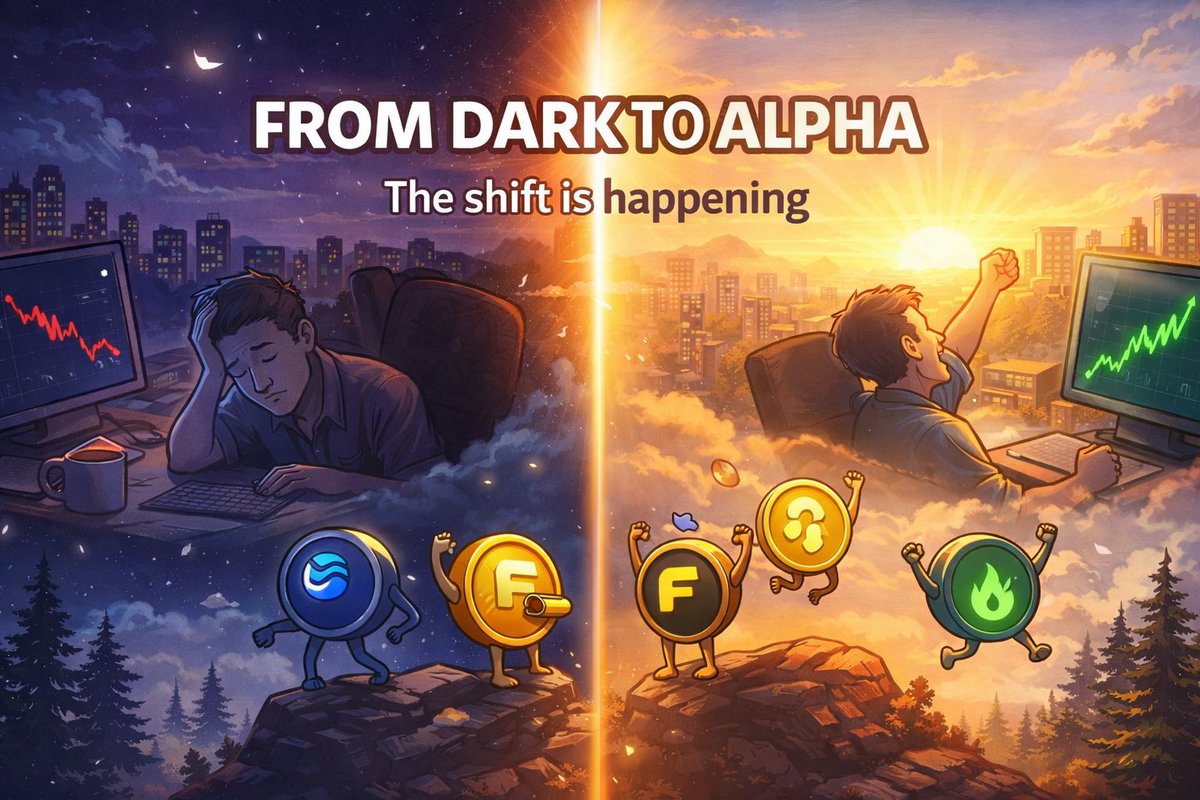
$HYPE ⚡ + $TAO 🧠
Two different worlds:
→ $HYPE = trading energy, fast cycles
→ $TAO = AI + long-term thesis
One for speed
One for conviction
This mix = where curiosity turns into alpha
#AI
$RIVER $ZKP $FIGHT $RESOLV $SIREN $RLP https://t.co/MS3pzFbdro
ParaSwap’s intent protocol takes it further, abstracting execution so you avoid raw transaction exposure. On Solana, where MEV has evolved to validator-led predation, this outsourcing model starves attackers of data. Solvers use private mempools or direct validator channels, ensuring your $91.40 SOL buys hit without interference.
RFQ and Batch Auctions: Core Weapons Against Sandwich Attacks
Request-for-Quote (RFQ) systems shine in DEX aggregation MEV safe setups. Solvers quote firm prices off-chain, then bundle executions on-chain atomically. No partial fills, no sandwiches. For token launches, where liquidity is thin and prices swing wildly, this prevents the classic MEV playbook: buy ahead, force your slippage, sell behind.
Batching amplifies protection. Multiple intents settle together, leveraging ‘coincidence of wants’ – your sell matches another’s buy naturally. CoW Swap popularized this; now Solana aggregators like SolverRouter integrate it with RFQ for hybrid power. Result? Traders save thousands in exploited slippage, as MEXC highlights in aggregator evolutions.
Solana (SOL) Price Prediction 2027-2032
Amid Growth in Intent-Based DEX Aggregators and MEV Protection for Token Launches
| Year | Minimum Price | Average Price | Maximum Price | YoY Change (Avg) % |
|---|---|---|---|---|
| 2027 | $105.00 | $160.00 | $240.00 | +75% |
| 2028 | $135.00 | $230.00 | $360.00 | +44% |
| 2029 | $175.00 | $340.00 | $520.00 | +48% |
| 2030 | $220.00 | $480.00 | $720.00 | +41% |
| 2031 | $290.00 | $650.00 | $950.00 | +35% |
| 2032 | $360.00 | $850.00 | $1,200.00 | +31% |
Price Prediction Summary
Solana (SOL) is forecasted to experience substantial growth from 2027 to 2032, propelled by intent-based DEX aggregators mitigating MEV attacks during token launches. Starting from a 2026 baseline of $91.40, average prices are projected to climb to $850 by 2032 (CAGR ~44%), with bullish maxima reaching $1,200 in optimistic adoption scenarios and minima reflecting bearish market corrections.
Key Factors Affecting Solana Price
- Adoption of intent-based trading and solvers reducing MEV risks on Solana
- Expansion of protected DEX aggregators like Jupiter and 1inch Fusion for token launches
- Solana network upgrades enhancing scalability and throughput
- Crypto market cycles, including post-halving bull runs
- Regulatory advancements favoring DeFi innovation
- Competition from Ethereum L2s and emerging L1s, impacting market share
Disclaimer: Cryptocurrency price predictions are speculative and based on current market analysis.
Actual prices may vary significantly due to market volatility, regulatory changes, and other factors.
Always do your own research before making investment decisions.
In practice, during a hyped launch, broadcast a buy intent for the new token. Solvers compete: one taps Raydium pools, another OTC whales, a third batches cross-user trades. Best solver wins, executes privately, settles on-chain. You’ve sidestepped prevent sandwich attacks Solana entirely, securing better fills at $91.40 SOL levels.
I’ve seen firsthand how these mechanisms turn potential disasters into smooth executions. During a recent Solana memecoin frenzy, traditional swaps saw 15% average slippage from sandwiches, per shoal. gg data on DEX anti-MEV measures. Intent-based setups? Under 2%, thanks to solver competition.
SolverRouter in Action: MEV Protection Tailored for Solana Launches
SolverRouter. com stands out in this crowd with its solver network RFQ protocol fine-tuned for Solana’s pace. Users craft intents like “swap up to 10 SOL at $91.40 equivalent for new token X, minimum yield 95%”. Solvers – from DeFi natives to institutional desks – bid privately via RFQ, then execute via bundled on-chain calls. No public mempool peek, no validator predation. This DEX aggregation MEV safe approach has shielded traders during launches where SOL dipped to $85.20 intraday before rebounding to $92.08 highs.
MEV-Safe Swaps on Solana Launches: SolverRouter Guide
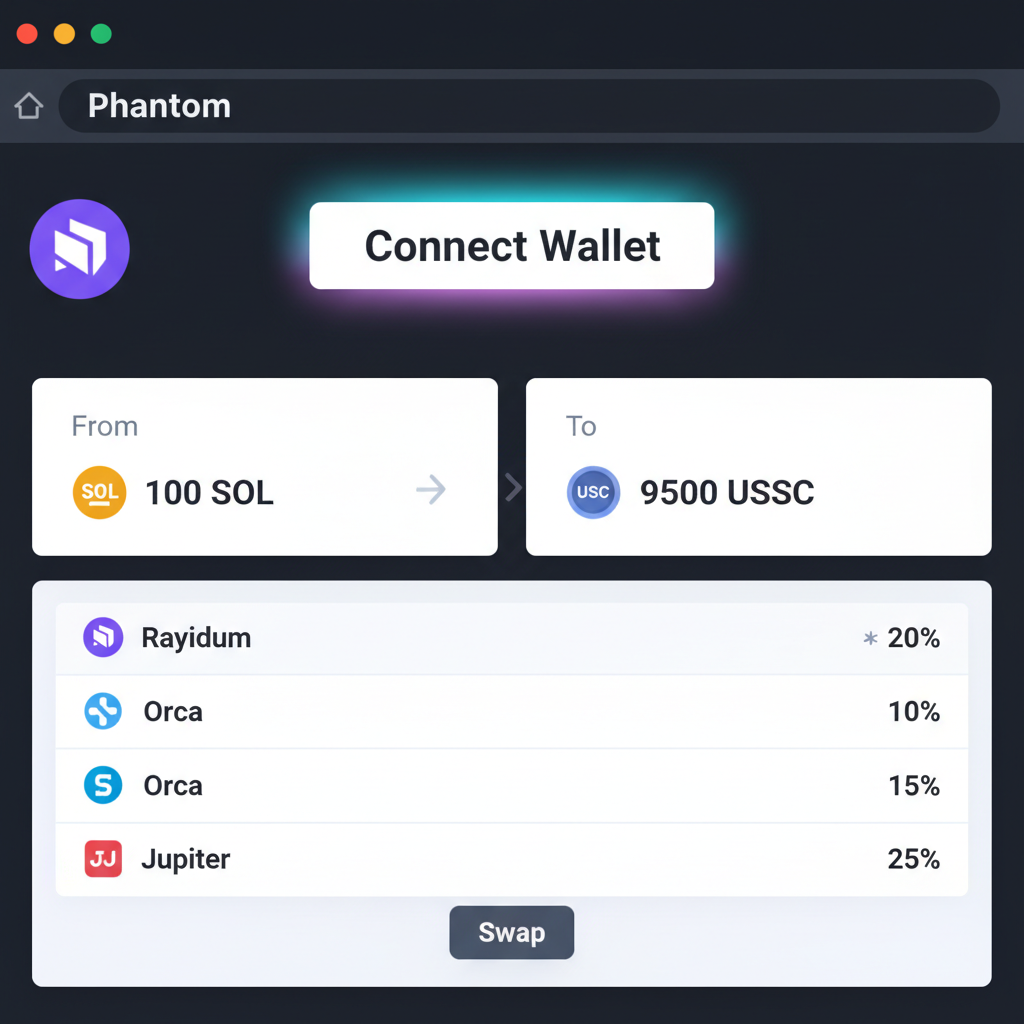
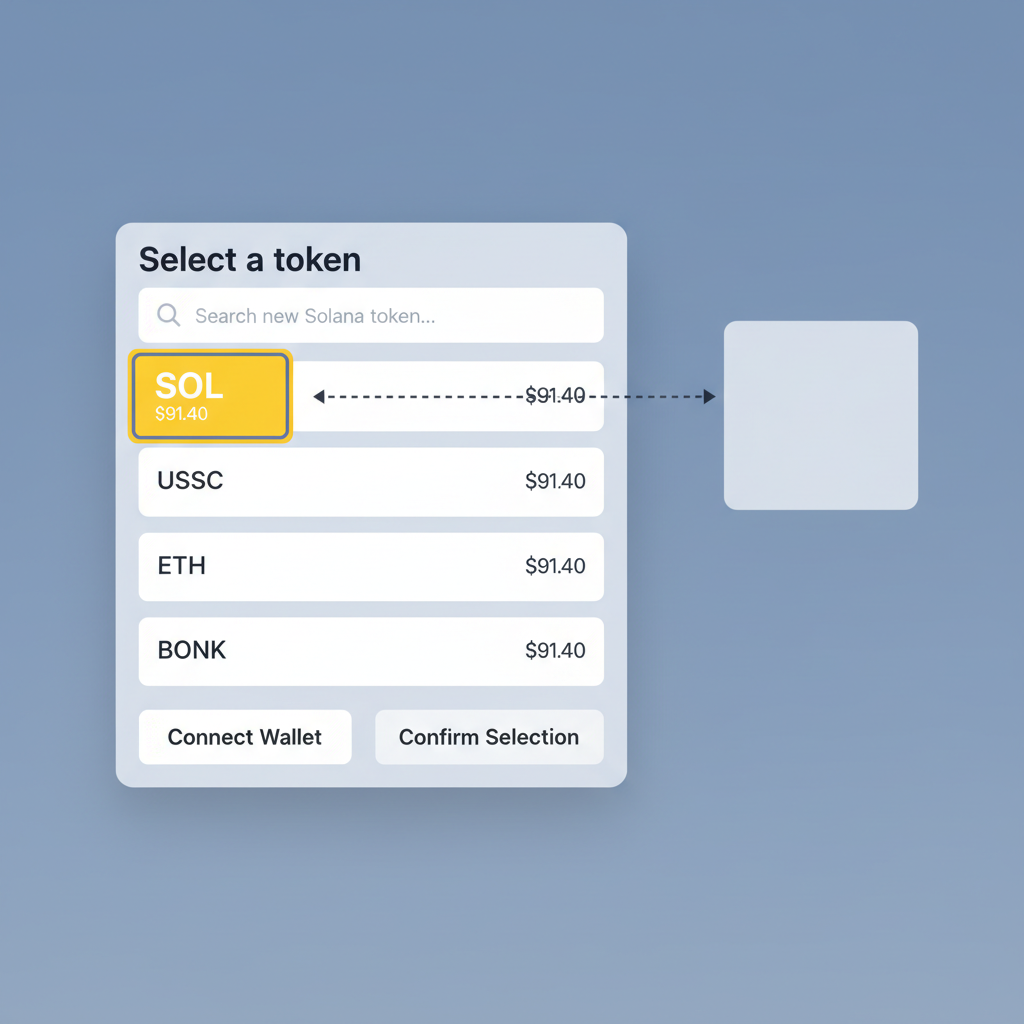
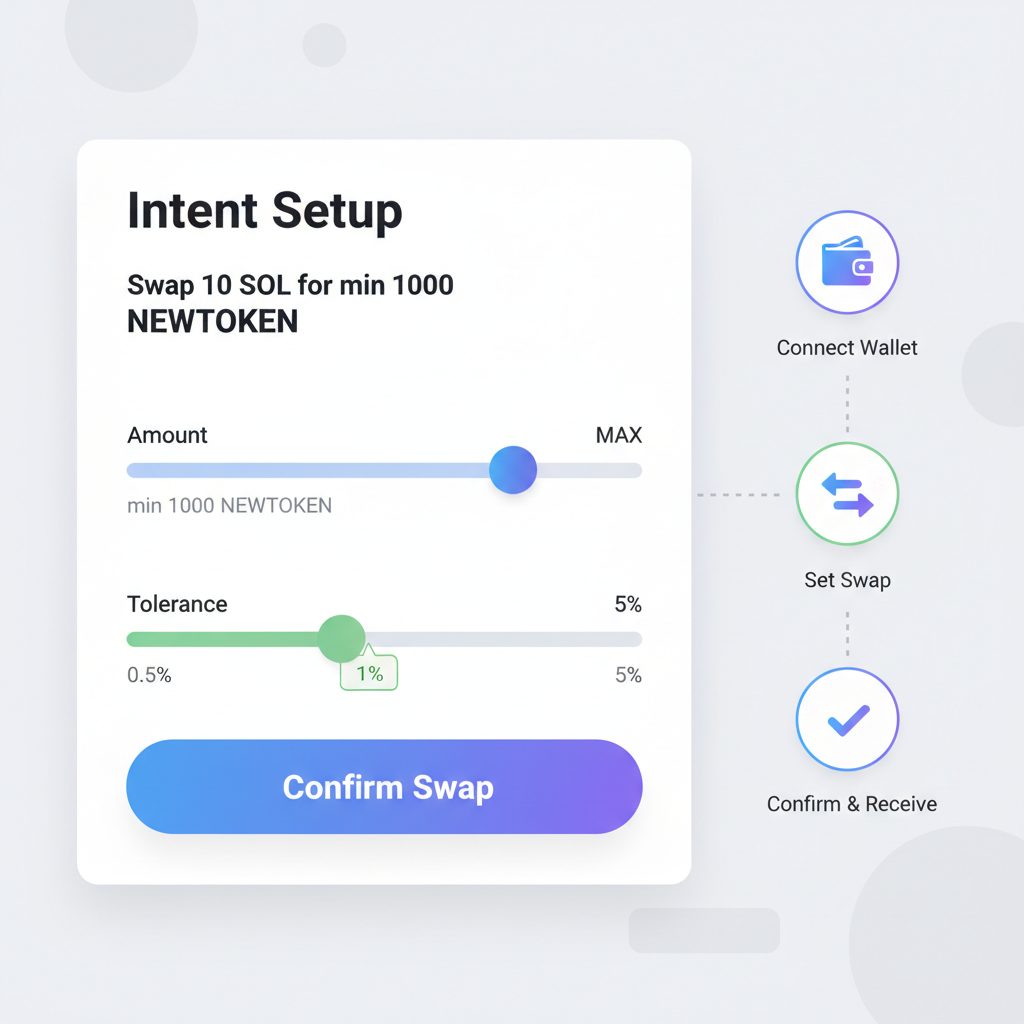
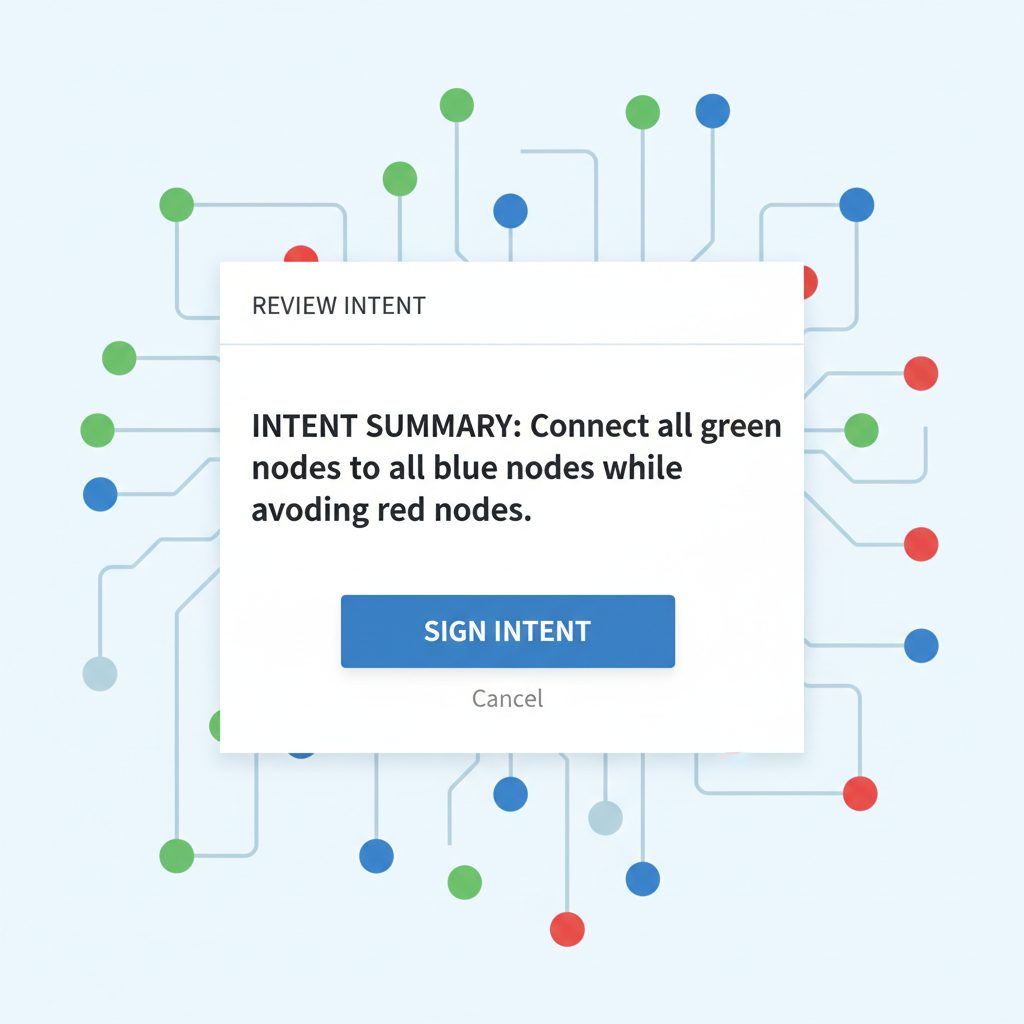
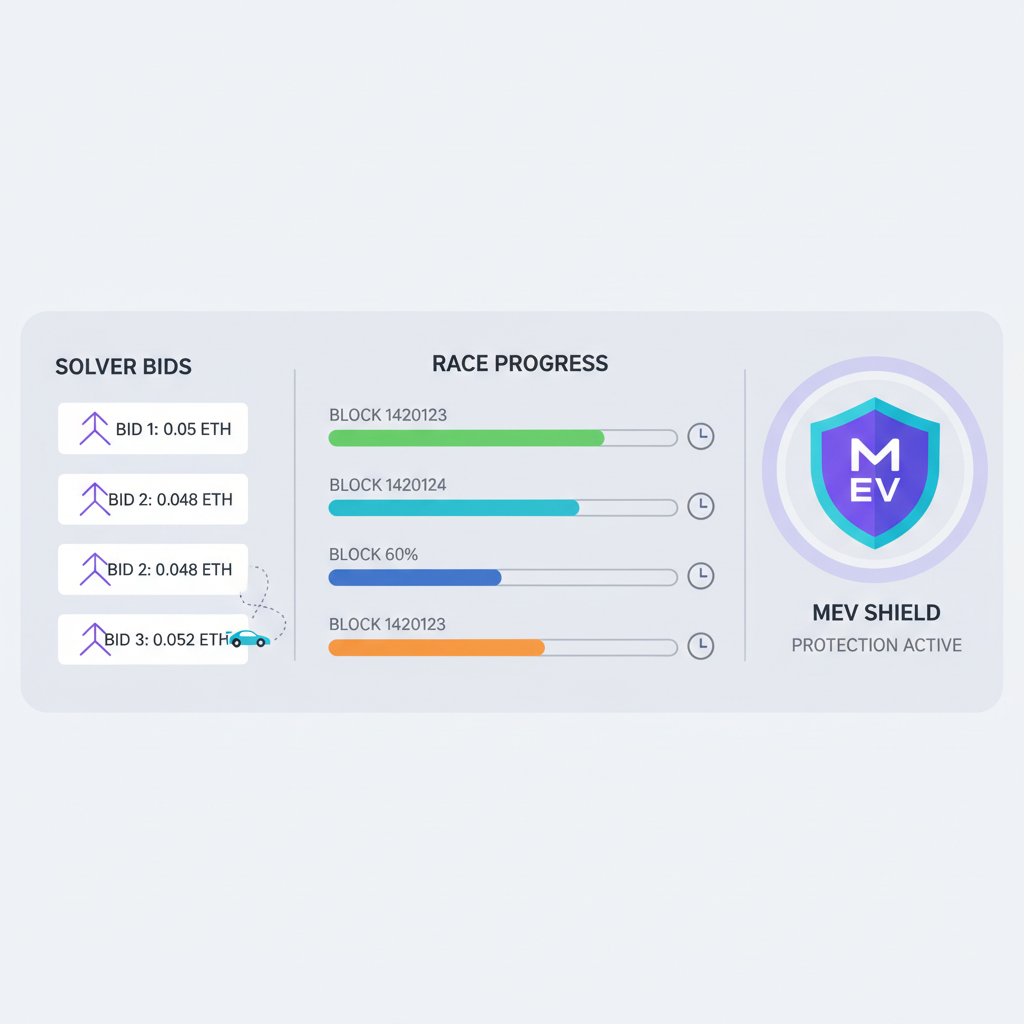
Team RockawayX notes most aggregators now layer RFQ or protective RPCs, but SolverRouter’s intent focus edges them out for volatile launches. It pulls from Jupiter routes, Raydium pools, and OTC without exposing details, minimizing gas while maximizing fills. Yield farmers I advise swear by it for diversifying into new tokens safely.
Tradeoffs and Realities: Speed vs. Security in Intent Trading
Not everything’s perfect. Intents trade instant settlement for solver solve times, often 10-30 seconds on Solana. CoW Swap prioritizes MEV protection over speed, a model echoed here. Stablecoininsider. org ranks it high for that reason, contrasting Jupiter’s route-first speed. Yet for token launches, where MEV eats 20% and gains, that delay’s a bargain. Solvers handle RFQ fills with MEV tradeoffs smartly, per CryptoAdventure insights, balancing protection and efficiency.
Validator-led MEV on Solana, as bloXroute details, demands this evolution. Public trades feed the beast; intents starve it. Aggregators evolving to intent-based execution, cross-chain RFQ, per MEXC, position platforms like SolverRouter as 2026 must-haves.
Picture farming yields across DEXs without slippage bleed. At $91.40 SOL, a 1% edge compounds fast. Startupik’s guide flags intent batch auctions for advanced traders, noting they’re not always fastest but unbeatable for safety.
Over my 15 years managing portfolios, DeFi’s wild west taught balance: chase yields, but guard the downside. Intent-based DEX aggregators deliver that, especially on Solana where launches spark billions in volume. SolverRouter’s network turns MEV from threat to afterthought, letting you focus on picks not pitfalls. As SOL holds $91.40 amid and $4.45 daily gains, these tools ensure your swaps thrive in the frenzy.
About the Author