

In the wild world of DeFi, where every swap can turn into a battlefield against MEV front-running, intent-based DEX aggregators are flipping the script. Forget direct on-chain transactions that scream 'exploit me' to bots; these platforms let you declare your trading intent, then unleash a pack of solvers to hunt down the best execution. SolverRouter. com stands at the forefront, blending intent-based DEX aggregation with ironclad MEV protection, routing through RFQ protocols for swaps that dodge slippage and sandwich attacks like a pro.
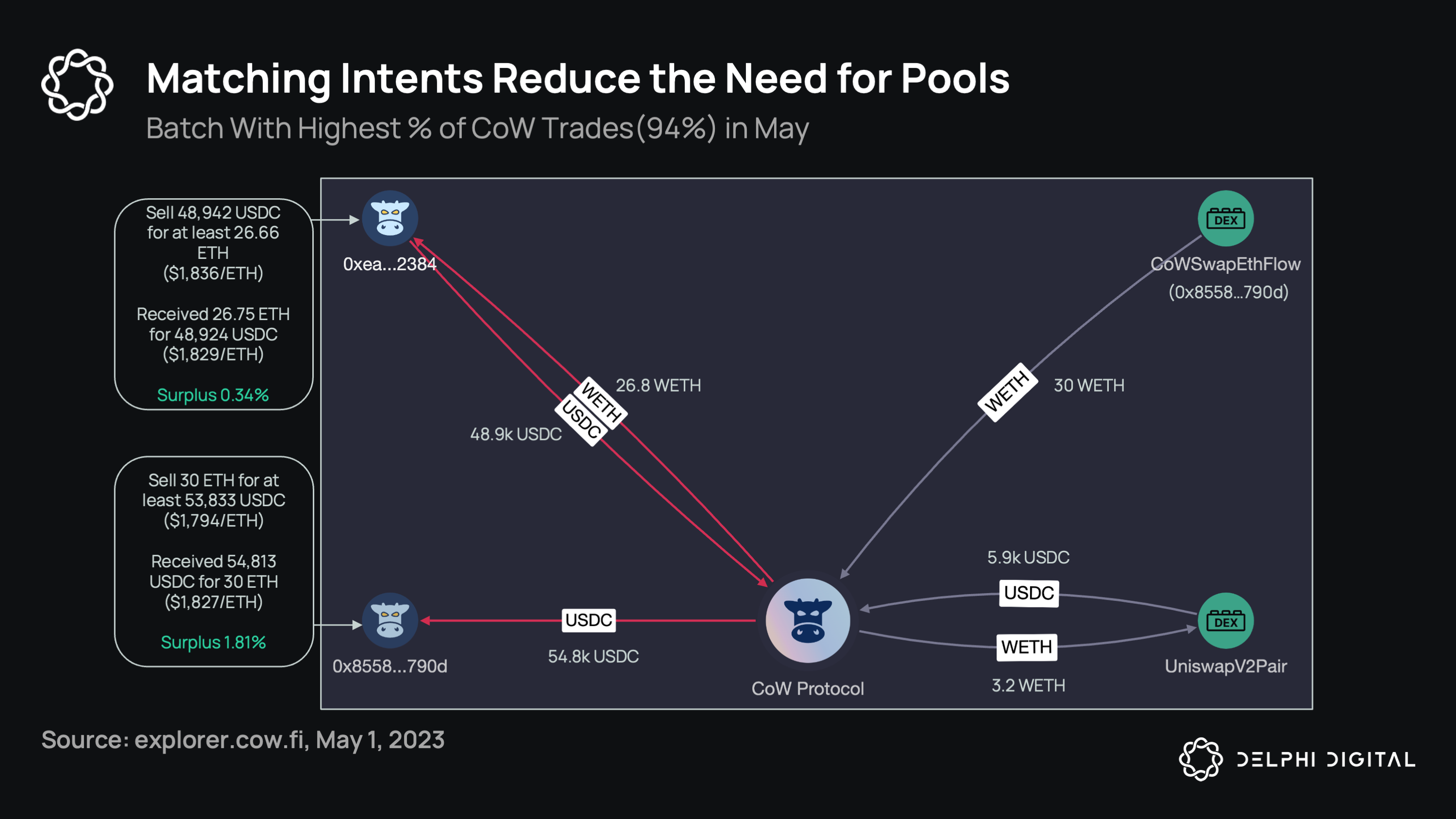
Picture this: you're eyeing a stablecoin swap amid fragmented liquidity. Traditional DEXs leave you vulnerable, but with intents, you sign a message saying 'get me X for Y at the best rate. ' Solvers - think high-octane searchers scanning AMMs, RFQ desks, and cross-chain paths - battle it out off-chain. The winner bundles your trade into a batch auction, settling atomically on-chain. No front-running, no sandwiches, just pure execution efficiency. Recent moves like Aave's December 2025 integration with CoW Protocol's solvers across swaps and flash loans prove this model's sticking power, unlocking arbitrage and refinancing without the MEV tax.
Intents vs. Orders: Why Traditional Swaps Are Yesterday's News
Direct swaps on Uniswap or 1inch? Fast, sure, but they're public invitations for MEV bots. Your mempool transaction broadcasts price impact, letting searchers sandwich you for profit. Intent-based systems flip that: no mempool exposure until settlement. Platforms like CoW Swap and UniswapX use this to deliver gasless, protected trades. CoW's batch auctions settle multiple orders together, erasing individual footprints. 1inch Fusion adds Dutch auctions, where resolvers bid aggressively for your intent, driving better prices.
Key Advantages Over Traditional Swaps
- MEV Protection: Solvers compete via batch auctions to prevent front-running and sandwich attacks, as in CoW Protocol and UniswapX.

- Optimal Routing: Solvers scan DEXs, RFQs, and chains for the best prices and minimal slippage.

- Gas Efficiency: Gasless trades and batching cut costs, like 1inch Fusion's Dutch auctions.
- Cross-Chain Support: Seamless swaps across ecosystems, powering tools like Plasma's stablecoin integrations.

But here's the practical edge: these aren't just theoretical. In 2026's stablecoin frenzy, aggregators like those listed in top rankings - CoW Swap, 1Inch, UniswapX - route around liquidity silos, slashing slippage on USDC-USDT pairs. SolverRouter amps this with a solver network tuned for RFQ swaps, ensuring solver MEV protection without the execution delays plaguing some protocols.
Solvers: The Muscle Behind MEV-Resistant RFQ Protocols
Solvers are the unsung heroes in RFQ protocol DEX swaps. In RFQ systems, quotes come from market makers, but intents supercharge them by letting solvers compete holistically. They don't just quote; they orchestrate paths across DEXs, CEX liquidity via bridges, even off-chain sources. Front-running dies because solvers fulfill intents privately, revealing nothing until the batch hits chain.
Take CoW Protocol's expansion to Plasma's stablecoin ecosystem in January 2026 - gasless trades shielded from MEV, per their monthly recap. Or Uniswap's Dutch auctions, speeding intents beyond uniform clearing prices. Challenges exist, like solver centralization risks where a few dominate and collude. That's why diverse networks matter; SolverRouter fosters competition among high-performance solvers, minimizing hidden fees and censorship. In my swing trades, this setup lets me capture momentum without bots nibbling edges.
Building Bulletproof Swaps: Batch Auctions and Beyond
Batch auctions are the secret sauce. Multiple intents settle simultaneously, uniform prices prevent profitable reordering. No single trade stands out for sandwiching. CoW Swap nails this at protocol level, as they tout in comparisons of best DEX aggregators. 1inch Fusion's resolvers add fusion mode for private mempool execution. Yet, execution latency can lag - CoWSwap orders might take minutes versus instant AMM swaps. Practical tip: for high-volatility swings, pair with screeners from top 2026 DEX tools to time intents perfectly.
SolverRouter takes it further, aggregating across these protocols with MEV safeguards baked in. Traders get seamless RFQ swaps, developers tap solver APIs for custom intents. As DeFi evolves - think TrafFi off-chain or proprietary routing - MEV resistant DEX aggregators like this ensure you swing with momentum, not against the bots.
Real-world execution shines in 2026's fragmented markets. Stablecoin aggregators dominate lists for routing USDC-USDT amid liquidity pools scattered across chains. Intent-based setups excel here, with solvers probing RFQ desks alongside AMMs for minimal slippage. I've swung trades on CoW Swap during Plasma's stablecoin push, grabbing yields without MEV bleed. Platforms like Eco Portal and Rubic join the fray, but SolverRouter's network edges them by prioritizing solvers dex front running prevention through competitive RFQ protocols.
Comparison of Top Intent-Based DEX Aggregators
| Platform | MEV Protection | Execution Speed | Supported Chains | Unique Features | Pros & Cons |
|---|---|---|---|---|---|
| CoW Swap | Batch Auctions | Medium (batch processing) | Ethereum, Gnosis, Polygon, Plasma | Gasless trading, Intent-based flash loans (Aave integration) | ✅ MEV-resistant execution ✅ Stablecoin focus 👎 Slower batch settlement |
| UniswapX | Dutch Auctions, Private Mempools | Fast | Ethereum, L2s | Gasless trades, AMM + solver blending | ✅ Reliable swaps ✅ Faster execution 👎 Limited chain support |
| 1inch Fusion | Dutch Auctions, Resolver Competition | Medium-Fast | 10+ chains (Ethereum, BSC, Polygon, etc.) | Gasless swaps, RFQ integration | ✅ Multi-chain ✅ Competitive pricing 👎 Potential execution delays |
| SolverRouter | RFQ Solvers, Advanced Private Mempools | Fastest | Multi-chain (Ethereum, L2s, Solana) | Hybrid DEX paths, Swing trading efficiency | 🚀 Superior front-running prevention 🚀 Optimal for high-frequency trades ✅ Gasless flash loans 👎 Emerging ecosystem |
SolverRouter pulls ahead for swing traders like me. Its RFQ-focused solvers tap market maker quotes privately, bundling with DEX paths for hybrid efficiency. No more choosing between AMM speed and RFQ depth; you get both, shielded from front-runs. In DeFi's 2025 state per DL News, this hybrid routing - intents plus RFQ - crushes proprietary alternatives.
Challenges? Sure. Longer settlement times hit high-frequency plays, and solver dominance risks collusion, as dcentralab warns for 2026. Counter that with networks enforcing open competition and transparent scoring. SolverRouter mandates solver bonds and slashing for bad fills, keeping the field honest. Mobile trends from FoxWallet amplify this: intent apps on the go, aggregating chains seamlessly.
Practical playbook: Time intents with DEX screeners from Crypto Adventure's 2026 toolkit. Validate tokens pre-submit to dodge rugs. For devs, Aave's CoW flash loans open arbitrage bots sans gas wars. I've coded simple momentum chasers this way, exiting positions before bots sniff mempools.
Batch auctions evolve too. Uniswap's Dutch reverse them for urgency, ramping fees until a solver bites - reliable for time-sensitive swings. CoW's uniform pricing suits patient value hunts. SolverRouter mixes both, letting you toggle modes via dashboard. In my trades, this flexibility dodges 2026's vol spikes, like stablecoin routes post-Plasma launch.
DeFi's next wave rides these rails. TrafFi off-chain intents and cross-chain RFQ desks loom, but intent based dex aggregator mev protection foundations hold firm. Swing with solvers, not against MEV - that's the edge. Platforms fostering diverse, performant networks win. SolverRouter delivers now, arming traders against an ecosystem where bots never sleep.




No comments yet. Be the first to share your thoughts!