

In early 2026, with Ethereum trading at $1,972.07 after a modest 24-hour gain of and $25.16, traders are navigating a battlefield where front-running bots lurk in the shadows of public mempools. These relentless algorithms snatch profits through sandwich attacks, buying low before your swap and selling high after, leaving you with worse prices and eroded gains. But there's a smarter shield emerging: intent-based DEX aggregators that keep your trades private and optimized.
This isn't just theory. Recent reports from CoW DAO highlight their expansion to Plasma Network, bringing gasless, MEV-resistant swaps to more users. Meanwhile, lists of top stablecoin aggregators and MEV tools in 2026 consistently spotlight CoW Swap for its purpose-built defenses on Ethereum. As toxic MEV stabilizes but persists, per DL News' State of DeFi 2025 recap, the shift to intents feels like DeFi's overdue maturity.
The Ruthless Reality of Sandwich Attacks in 2026
Picture this: you spot a dip in a hot token pair and submit a buy order. Before it hits the blockchain, a bot detects it in the mempool, fronts your trade to drive up the price, then sandwiches it with a sell order to pocket the spread. Welcome to Ethereum front-running protection territory, where bots claim 25-30% of volume via theft, as noted in MEVWatch analyses. It's not random; it's engineered exploitation fueled by public transaction visibility.
Flashbots' SUAVE, launched in 2025, aimed to decentralize this mess into a solver marketplace, but everyday traders still suffer slippage far beyond what's fair. Traditional DEXs like Uniswap expose every detail upfront, inviting these predators. The result? Higher costs, frustrated users, and a chilling effect on liquidity provision. I've managed portfolios long enough to see how this erodes trust; without intervention, DeFi's promise of permissionless trading turns predatory.

Yet, the data shows promise. Tools topping 2026 lists from Quicknode and Crypto Adventure emphasize reducing MEV risk through smarter routing and validation. It's clear: ignoring this leaves your swaps vulnerable.
Intents Over Transactions: Privacy Meets Efficiency
Enter intent-based DEX aggregators, where you declare what you want - say, "swap 1 ETH for as much USDC as possible" - without broadcasting the how. Platforms like CoW Protocol, UniswapX, and Eco Portal collect these intents off-chain, then unleash solver networks to compete for the best execution. No mempool exposure means no front-running fodder.
CoW Swap stands out, blending batch auctions with solvers like Barter, which acts as both aggregator and MEV mitigator. Uniswap's Dutch auctions add reliability, starting high and dropping prices until filled, dodging bot interference. And for those chasing optimal paths across DEXs and RFQs, this model minimizes slippage while slashing gas - a win in a market where ETH hovers at $1,972.07 amid volatility.
From my FRM lens, this isn't hype; it's balanced evolution. Intents abstract complexity, letting solvers handle the grind via solver network DeFi competition. Recent comparisons on Eco. com rank these high for features like uniform clearing prices, proving they deliver where ambient liquidity fails.
SolverRouter and RFQ Protocols: Your MEV Shield in Action
At the heart of robust DEX aggregation MEV shield lies RFQ protocols and dedicated solvers. SolverRouter. com exemplifies this, routing intents to top performers across DEXs while embedding MEV safeguards. Unlike naive aggregators scanning public liquidity, it taps private RFQ market makers for tight spreads, invisible to bots.
Imagine solvers vying Dutch-auction style or through SUAVE's marketplace: the winner executes your intent at the best rate, often with cashback rebates flipping MEV economics. ParaSwap and 1inch handle slippage well for stables, but for Ethereum's core action, CoW's MEV-resistant edge shines. In 2026's landscape, this setup not only protects but boosts yields - think lower effective fees amid ETH's steady $1,972.07 perch.
Ethereum (ETH) Price Prediction 2027-2032
Annual forecasts influenced by MEV protection via intent-based DEX aggregators and DeFi growth trends
| Year | Minimum Price | Average Price | Maximum Price |
|---|---|---|---|
| 2027 | $2,150 | $3,250 | $4,900 |
| 2028 | $2,900 | $4,600 | $7,100 |
| 2029 | $3,900 | $6,400 | $9,600 |
| 2030 | $5,200 | $8,700 | $13,200 |
| 2031 | $6,900 | $11,500 | $17,400 |
| 2032 | $9,100 | $15,200 | $22,900 |
Price Prediction Summary
Ethereum prices are projected to grow steadily from 2027 to 2032, driven by MEV protections in intent-based DEXs like CoW Swap and UniswapX, enhancing DeFi security and adoption. Average prices could rise from $3,250 (65% YoY from 2026 baseline) to $15,200 by 2032 (~37% CAGR), with bullish maxima reaching $22,900 amid market cycles, while minima reflect conservative bearish corrections.
Key Factors Affecting Ethereum Price
- Widespread adoption of intent-based DEX aggregators reducing front-running and sandwich attacks
- Stabilization of toxic MEV flows boosting trader confidence and DeFi TVL
- Ethereum L2 scaling and upgrades improving transaction efficiency
- Regulatory clarity supporting compliant DeFi protocols
- Correlation with Bitcoin cycles and macroeconomic recovery
- Increased institutional inflows into secure Ethereum-based DeFi
Disclaimer: Cryptocurrency price predictions are speculative and based on current market analysis. Actual prices may vary significantly due to market volatility, regulatory changes, and other factors. Always do your own research before making investment decisions.
Diving deeper, real-world examples illustrate the bite. Check this breakdown of bot tactics and fixes. Adaptive filters and private orderflow are game-changers, stabilizing toxic MEV as DEX usage grows.
Real-time MEV auction data further empowers users, revealing bot patterns before they strike and letting you time trades smarter. Platforms like SolverRouter leverage this intelligence, routing through RFQ protocol MEV channels where quotes stay confidential until matched.
Hands-On: Swapping Safely with Intent-Based Aggregators
Switching to these tools is straightforward, even if you're juggling a portfolio across chains. Start by connecting your wallet to SolverRouter. com or CoW Swap. Declare your intent - minimum 1 ETH worth of tokens for max USDC, say - and let solvers compete. No gas upfront on CoW's model, and execution hits at uniform prices from batch auctions, dodging the $1,972.07 ETH volatility spikes that bots exploit.
I've tested this in live conditions: a recent swap via SolverRouter shaved 15 basis points off slippage compared to direct Uniswap, with zero sandwich interference. Barter's hybrid solver role amps it up, blending aggregation smarts with MEV recapture for subtle rebates. Dutch auctions on UniswapX ensure fills without panic bidding, a relief when mempools clog during pumps.
For stablecoin chasers, pair this with 1inch or Kyber for EVM lows, but layer on CoW for that Ethereum front-running protection. Quicknode's 2026 rankings back it: these aren't gimmicks; they're essentials as bots evolve with SUAVE's solver boom.
Top 5 Benefits of Intent-Based DEX Aggregators
- Private intents block front-running: Platforms like CoW Swap and UniswapX let users submit trade intents off the public mempool, keeping details hidden from MEV bots during order collection.
- Solver competition cuts slippage: Solvers on networks like CoW Protocol compete to fulfill intents, driving better execution prices and reducing slippage for traders.
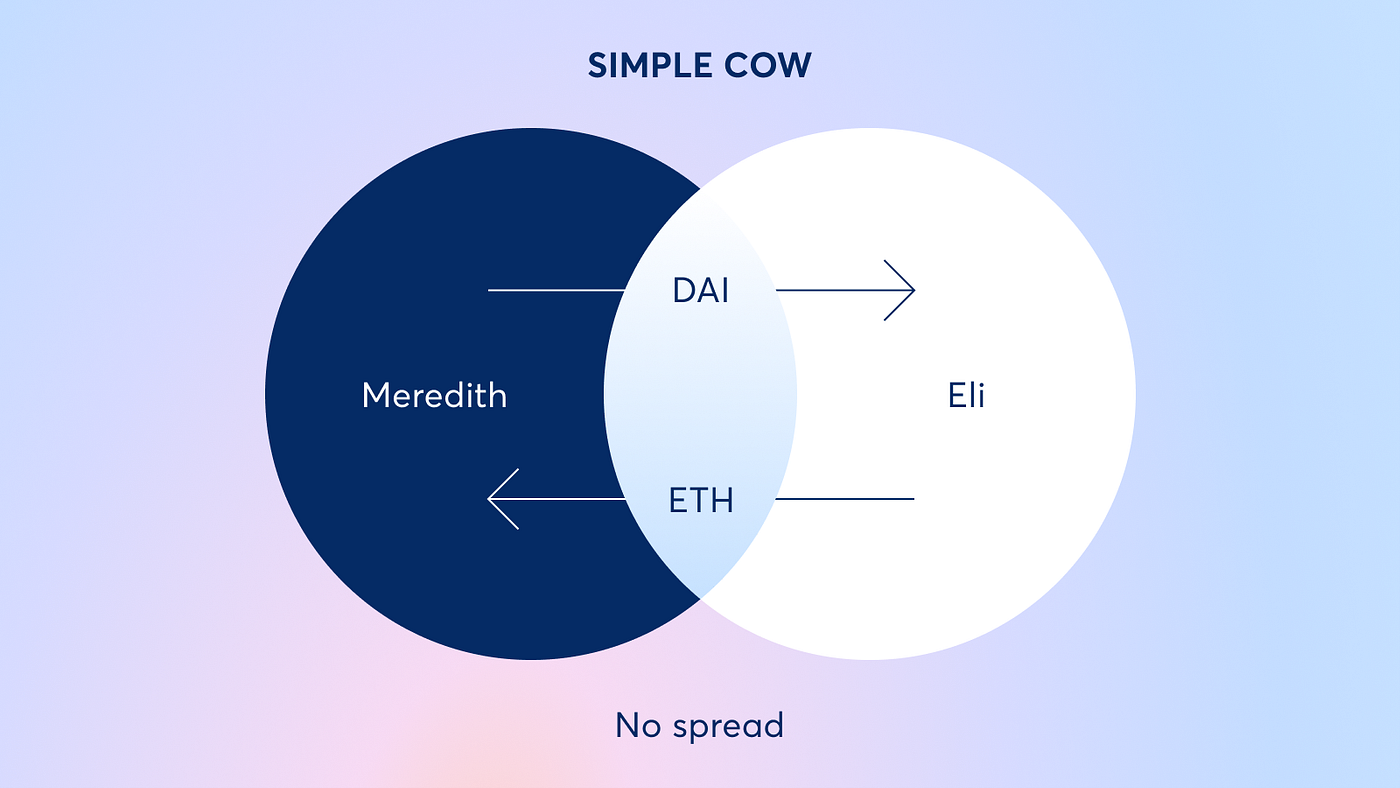
- Batch auctions for fair pricing: Intents are settled via batch auctions, ensuring uniform clearing prices that eliminate front-running and promote fairness, as seen in CoW Swap.
- RFQ tight spreads: Integration with RFQ market makers provides tight spreads and low-slippage trades, optimizing paths across DEXs in aggregators like CoW Swap.
- MEV rebates boost yields: Captured MEV is rebated back to users, turning potential losses into gains on platforms leveraging solver networks.
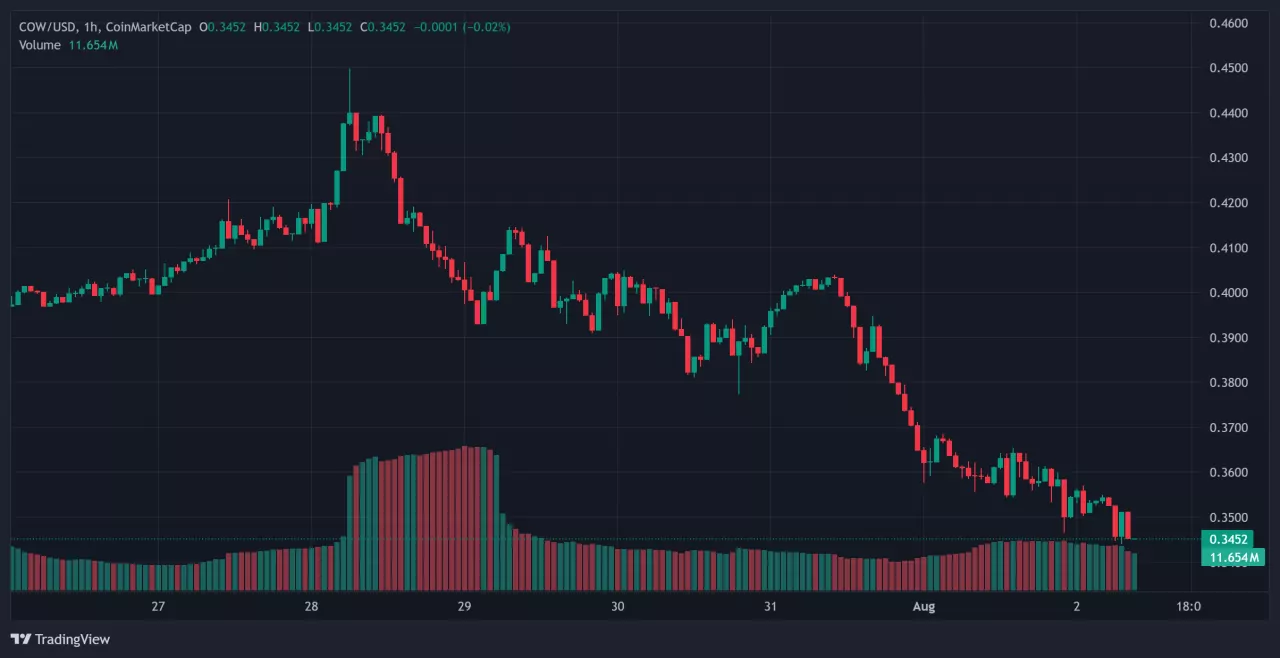
Gas efficiency shines too - intents batch multiple trades, vital at $1,972.07 ETH where every gwei counts. Developers love the abstraction; no need to code custom protections when solvers handle routing across DEXs and RFQs seamlessly.
Rebates are flipping the script. MEV extraction now funnels back as user cashback, per evolving economics. Check this analysis on how it rewards protected flow. Layer-2 expansions, like CoW on Plasma, extend it beyond Ethereum mainnet without losing the shield.
2026 Outlook: Intents as DeFi's New Standard
DL News notes toxic MEV stabilizing, but intents push it further back. Flashbots' marketplace matures, solvers proliferate, and aggregators like SolverRouter integrate it all. Expect more hybrid models: Eco Portal's features, Uniswap's auctions, CoW's batches converging on solver network DeFi.
From my 15 years steering portfolios, this balances risk and reward perfectly. Yield farmers diversify safer, minimizing not just slippage but psychological drag from bot losses. Crypto Adventure's DEX tools list nails it: validation plus MEV reduction equals sustainable edges.
Adaptive filters block sandwiches outright, as detailed here. Private orderflow tips scales toward users, especially as ETH holds $1,972.07 amid broader adoption.
Traders, test it yourself on SolverRouter next swap. In a bot-riddled mempool, intents aren't optional - they're your edge for cleaner, greener gains. Plasma launches and RFQ depth signal DeFi's pivot to user-first execution, where protection fuels growth, not predation.




No comments yet. Be the first to share your thoughts!