
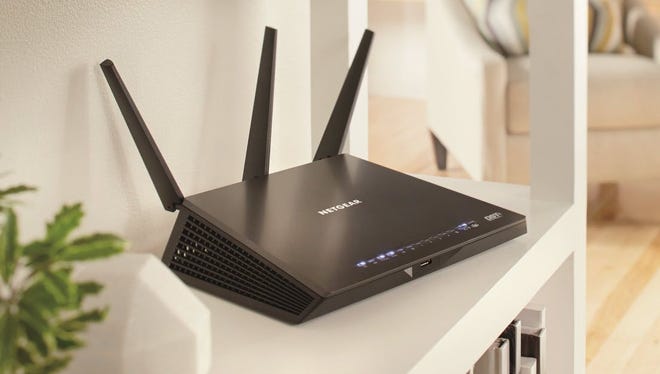
Finding a router that fits your budget
Price is the first filter, but age and condition matter just as much. A five-year-old flagship often outperforms a cheap new budget model because the hardware has been refined and the firmware is stable. In 2026, the sweet spot for value is the Wi-Fi 6E and early Wi-Fi 7 entry tier. You get enough speed for 4K streaming and low-latency gaming without paying for features you won't use.
TP-Link’s Archer BE3600 is widely considered the best budget Wi-Fi router in 2026. It offers tri-band performance at a price point that undercuts most competitors. For those needing mesh coverage without breaking the bank, the TP-Link Deco BE63 3-pack is the best bang for the buck. It is powerful enough for large homes and easy to set up, making it a solid choice for families who want whole-home coverage on a tight budget.


As an Amazon Associate, we may earn from qualifying purchases.
Avoid buying used routers older than five years. Security standards change, and older chips struggle with modern encryption. If you are on a very tight budget, a refurbished model from a reputable seller is safer than an unknown second-hand device. Prioritize a new router with a warranty over a risky used one, even if the specs look similar on paper.
Shortlist real options
Router Buying works best when the purchase path is explicit. Verify the source, compare the offer against real alternatives, check the total cost, and confirm what happens after payment before you decide. After each comparison, write down the one risk that would change your mind. If the seller, condition, support, warranty, shipping, or upkeep still feels uncertain, resolve that question before moving to checkout.
| Factor | What to check | Why it matters |
|---|---|---|
| Fit | Match the option to the primary use case. | A good deal still fails if it does not fit the job. |
| Condition | Verify age, wear, and service history. | Hidden condition issues erase upfront savings. |
| Cost | Compare purchase price with likely upkeep. | The cheapest option is not always the lowest-cost option. |
Inspect the expensive parts
Router Buying works best when the purchase path is explicit. Verify the source, compare the offer against real alternatives, check the total cost, and confirm what happens after payment before you decide. After each comparison, write down the one risk that would change your mind. If the seller, condition, support, warranty, shipping, or upkeep still feels uncertain, resolve that question before moving to checkout.
-
Verify the sellerCheck reputation, included details, delivery terms, and return policy before treating the listing as credible.
-
Compare total costAdd shipping, accessories, maintenance, warranty, and likely replacement costs to the listed price.
-
Confirm fitMatch the option to the real use case before paying for features that will not matter.
Plan for ownership costs
A cheap router often costs more over time. The initial price is just the entry fee. The real cost comes from replacements, upgrades, and the hidden friction of managing aging hardware. When you buy a budget mesh system, you are usually betting on a three to five year lifespan. After that, the hardware struggles with new devices, and the software stops receiving security patches.
Consider the TP-Link Archer BE9700 or the TP-Link Dexo BE63 3-pack. These systems use Wi-Fi 7 or advanced Wi-Fi 6E technology. They are built to last longer because they handle modern traffic loads without choking. A $100 router that dies in two years costs $50 a year. A $300 mesh system that lasts seven years costs about $43 a year. The math favors the higher upfront cost if you value stability.
Maintenance is another hidden cost. Cheap routers often require manual firmware updates or rebooting to clear memory leaks. Premium mesh systems handle updates silently in the background. They also offer better support when things go wrong. If your router breaks on a Saturday night, a brand with good warranty support saves you hours of troubleshooting.
When a cheap buy stops being cheap
The tipping point is usually when you add more devices. A budget router might handle ten devices fine. Add twenty smart lights, a 4K TV, and a gaming PC, and the latency spikes. You start seeing dropped connections during critical moments. This is when you realize the cheap router was never cheap; it was just delaying the inevitable upgrade.
Also, watch for energy costs. Older routers are less efficient. They draw more power to maintain the same speed. Over a year, the electricity bill difference might be small, but it adds up. Newer Wi-Fi 7 routers are designed to be more power-efficient, especially when idle.


As an Amazon Associate, we may earn from qualifying purchases.
If you are on a tight budget, look for sales on last year's models. A Wi-Fi 6 router from a major brand is often cheaper than a new budget Wi-Fi 7 unit. Just make sure it has at least four gigabit ports and supports WPA3 security. These are the baseline features that prevent early obsolescence.
Router buying questions for 2026
Before committing to a new mesh system, it helps to clear up the common hurdles that slow down the decision. Here are the practical answers to the questions most buyers are asking right now.
No comments yet. Be the first to share your thoughts!