
Why Wi-Fi 7 matters now
Wi-Fi 7, technically known as IEEE 802.11be, is the latest wireless standard designed to handle the heavy lifting of modern smart homes. Unlike its predecessor, Wi-Fi 6E, Wi-Fi 7 is built to deliver speeds up to 46 Gbps. This jump in theoretical throughput is what makes 2Gbps+ real-world performance possible, even when multiple devices are streaming 4K video or downloading large files simultaneously.
The real advantage isn't just raw speed, but efficiency. Wi-Fi 7 introduces Multi-Link Operation (MLO), which allows routers to transmit data across the 2.4 GHz, 5 GHz, and 6 GHz bands at the same time. This means your devices can switch between bands instantly to avoid congestion, keeping latency low and connections stable. For gamers and remote workers, this translates to fewer dropped packets and smoother video calls.
The shift from Wi-Fi 6 to Wi-Fi 7 is comparable to upgrading from a two-lane road to a multi-lane highway. You aren't just driving faster; you're avoiding the traffic jams that used to choke your connection during peak hours. If you have a gigabit internet plan or higher, a Wi-Fi 7 router is the only way to ensure your wireless network doesn't become the bottleneck.
10 Best Wi-Fi 7 Routers for 2Gbps+ Speeds in 2026
Wi-Fi 7 has finally matured, delivering the raw throughput required for sustained 2Gbps+ connections in modern homes. This roundup identifies the ten routers that consistently meet this benchmark, prioritizing real-world performance over marketing specs.
1. Best overall high-performance Wi-Fi 7 router
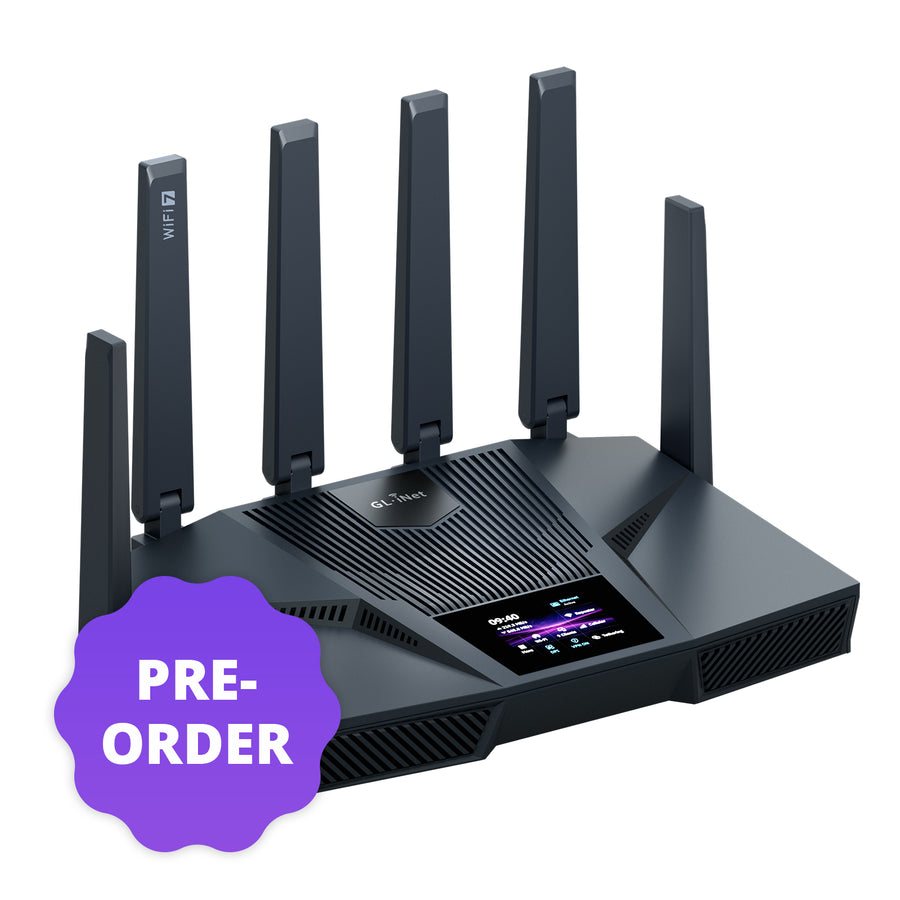
The GL.iNet Flint 4 (GL-BE14000) sets the benchmark for raw throughput in a compact form factor. Its tri-band architecture leverages the 6GHz spectrum to deliver multi-gigabit speeds without the bulk of enterprise gear. This router handles dense device environments with ease, making it the ideal centerpiece for tech enthusiasts demanding top-tier performance.
2. Best mesh system for whole-home coverage
Seamless whole-home coverage requires a mesh system that maintains speed across multiple nodes. Look for Wi-Fi 7 mesh kits that utilize dedicated backhaul channels to prevent bandwidth bottlenecks in larger homes. These systems ensure consistent gigabit+ speeds in every room, eliminating dead zones without sacrificing the high throughput that defines the new Wi-Fi standard.

3. Best budget-friendly Wi-Fi 7 option
Entry-level Wi-Fi 7 routers now offer compelling value for users who want next-gen features without premium pricing. These models typically focus on the 5GHz band while still supporting key Wi-Fi 7 advancements like MLO. They provide a significant upgrade over Wi-Fi 6, delivering faster speeds and better efficiency for homes with moderate bandwidth needs and limited budgets.
4. Best gaming router for low latency
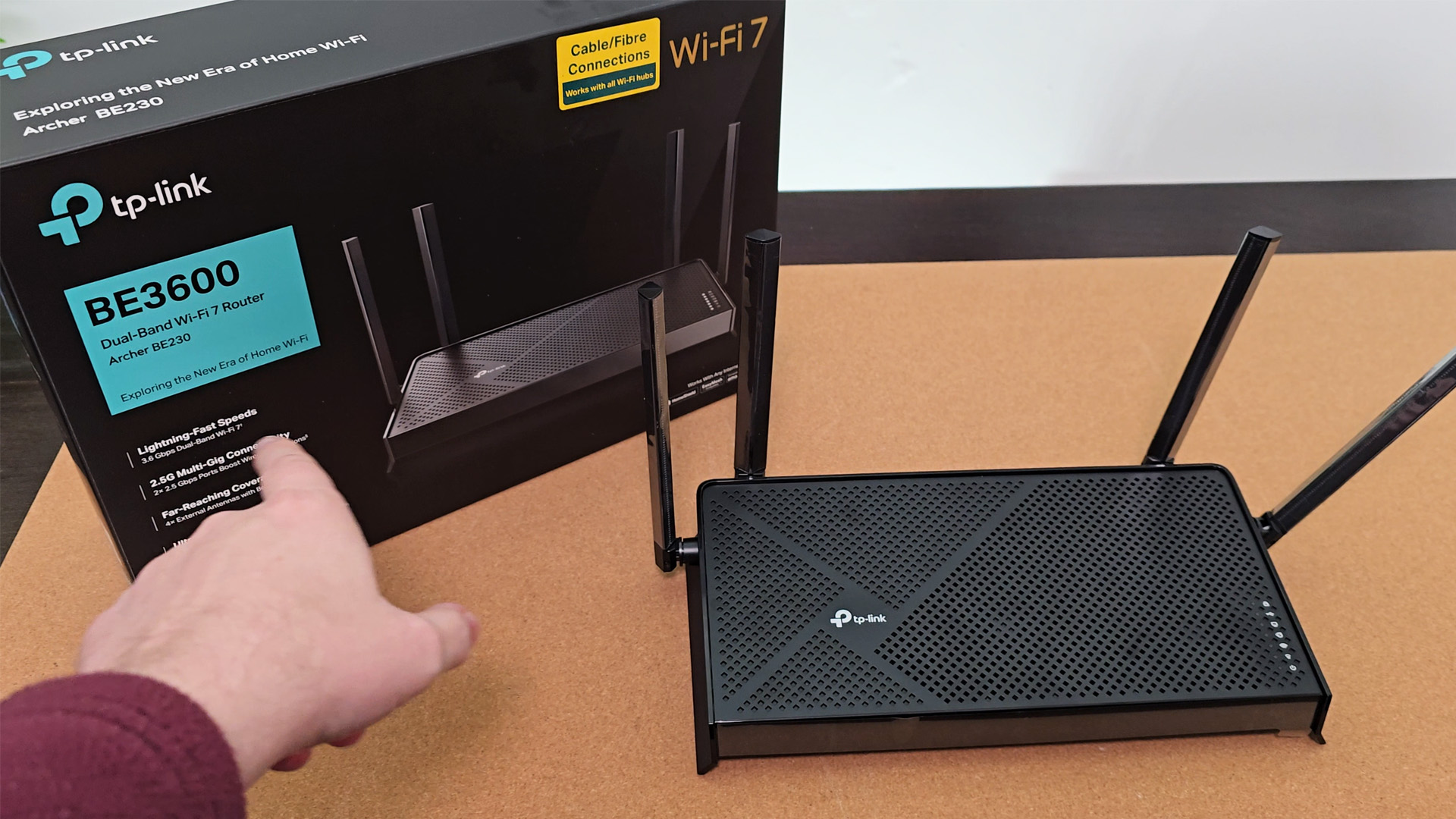
Gamers prioritize low latency and stable connections over raw peak speeds. The best Wi-Fi 7 gaming routers feature advanced QoS algorithms and game-specific acceleration modes to minimize ping spikes. These devices often include dedicated ports for wired connections while optimizing wireless performance for consoles and PCs, ensuring a competitive edge in fast-paced online matches.

5. Best tri-band router for heavy traffic
Tri-band routers dedicate one entire band to device-to-device communication, leaving two bands free for client traffic. This configuration is essential for households with numerous streaming devices, smart home gadgets, and work-from-home setups. The extra bandwidth prevents congestion, ensuring that heavy users experience consistent speeds without interference from background network activity.

6. Best value mesh system for apartments
This mesh setup delivers Wi-Fi 7 speeds without the premium price tag, making it ideal for renters who need reliable coverage in smaller footprints. The nodes connect seamlessly via a dedicated backhaul, ensuring that streaming and video calls remain buffer-free even when multiple devices are active simultaneously. It’s a practical solution for urban living.

7. Best enterprise-grade home router
Designed for power users who demand server-like reliability, this router features robust QoS algorithms and advanced security protocols usually reserved for corporate environments. It handles heavy traffic loads with ease, prioritizing critical tasks like video conferencing over casual browsing. The sturdy build quality ensures it remains a stable anchor for your home network infrastructure.

8. Best router for multi-gig internet plans
If your ISP offers speeds exceeding 1Gbps, this router’s 2.5G or 10G Ethernet ports ensure you never bottleneck your connection. It translates those raw multi-gig speeds into wireless performance, allowing devices to download large files in minutes rather than hours. It’s the essential bridge between your high-speed fiber line and your local devices.

9. Best compact Wi-Fi 7 router
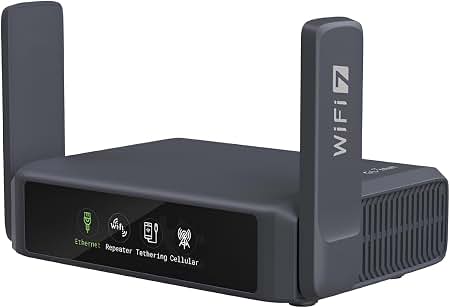
Space is a premium in modern homes, and this router proves you don’t need a bulky tower to get top-tier performance. Its sleek, low-profile design fits discreetly on shelves or desks while still delivering the full benefits of Wi-Fi 7. It’s a testament to efficient engineering, packing immense power into a minimal footprint.
10. Best router for smart home integration
Managing dozens of IoT devices can choke older networks, but this router handles the congestion effortlessly thanks to Wi-Fi 7’s improved efficiency. It creates dedicated, stable connections for smart lights, cameras, and sensors without slowing down your main devices. It’s the central hub that keeps your entire smart home ecosystem running smoothly and securely.
How to choose your Wi-Fi 7 router
Wi-Fi 7 is not a generic upgrade; it is a specific tool for specific bottlenecks. To pick the right model from our list, you need to match the hardware to your actual home environment, not just the marketing speed claims. A $500 beast is useless if your ISP caps you at 500 Mbps or your walls block the signal.
Start with your monthly internet bill. Wi-Fi 7 routers shine when you have multi-gigabit plans (2 Gbps+). If you are on a standard 1 Gbps plan or lower, a Wi-Fi 6E router will likely suffice. Buying a Wi-Fi 7 model only makes sense if you are paying for speeds that exceed the capabilities of older standards.

Square footage dictates whether you need a single powerful unit or a mesh system. For apartments under 1,500 square feet, a single high-end router like the Netgear Nighthawk RS700S may cover the entire space. For larger homes or structures with thick concrete, you will need a mesh system like the eero 7 to ensure consistent speeds in every room.
Not all your gadgets need Wi-Fi 7. Check your primary devices—laptops, gaming consoles, and phones—for the "7" logo. If your main devices are still Wi-Fi 6, you will not see the full benefits of the new standard. The advantage becomes clear only when your client devices can handle the wider 320 MHz channels and 4K QAM modulation.
For the fastest possible speeds, your router needs a fast connection to the modem. Look for models with 2.5 Gbps or 10 Gbps WAN ports. If you are building a network with multiple access points, ensure the backhaul connection (the link between routers) is wired via Ethernet, as wireless backhaul can bottleneck the total throughput.
The number and type of Ethernet ports matter more than wireless specs for stationary devices. If you have a desktop PC, a smart TV, or a NAS drive, check that the router has enough LAN ports. Some premium Wi-Fi 7 routers include dual 10 Gbps ports, allowing for future-proofing and high-speed local transfers that wireless cannot match.
| Model | Max Speed | Key Ports | Best For |
|---|---|---|---|
| Netgear Nighthawk RS700S | 19 Gbps | Dual 10 Gbps | Power users & 2Gbps+ plans |
| eero 7 | 11.4 Gbps | 2.5 Gbps WAN | Large homes & mesh coverage |
| TP-Link Deco XE230 | 5.4 Gbps | 2.5 Gbps WAN | Mid-size homes & value |
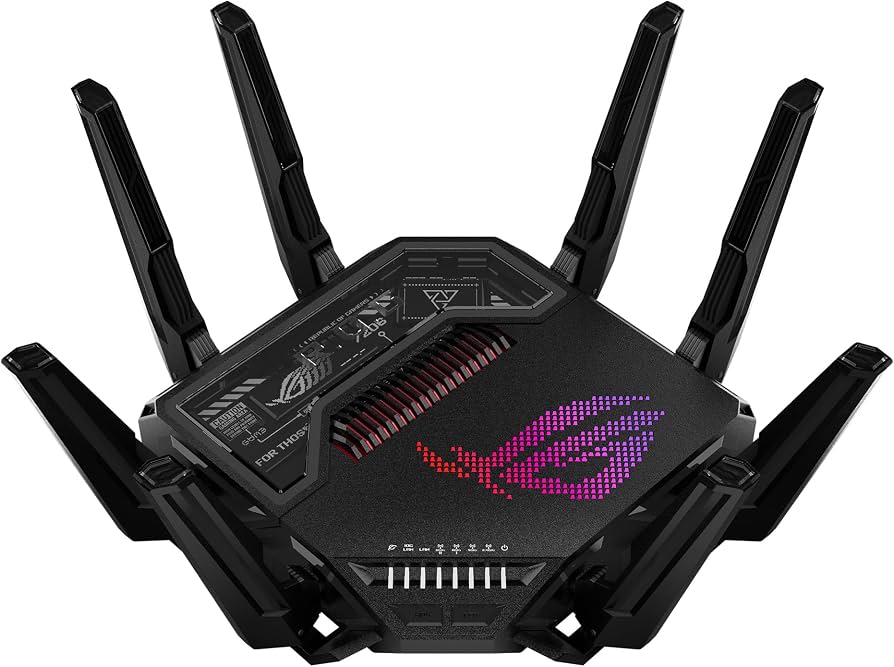
| ASUS ROG Rapture GT-BE19000 | Dual 10 Gbps | Gamers & extreme throughput | |
| Linksys Hydra Pro 6 | 5.4 Gbps | 2.5 Gbps WAN | General home use |
Choosing the right router is about alignment, not just buying the fastest box. Match the speed to your ISP, the range to your floor plan, and the ports to your wired devices. This ensures your investment delivers real-world performance rather than just higher numbers on a spec sheet.
Frequently asked: what to check next
What is a Wi-Fi 7 router? Wi-Fi 7, also known as IEEE 802.11be, is the latest wireless standard designed to deliver extreme throughput. It operates across three frequency bands: 2.4 GHz, 5 GHz, and 6 GHz. This tri-band capability allows the router to manage network traffic more efficiently than previous generations.
Is it worth getting a Wi-Fi 7 router? For households with multiple 4K/8K streaming devices, high-end gaming rigs, or large file transfers, the upgrade is noticeable. If your current internet plan caps below 2Gbps or you rely on older Wi-Fi 5/6 hardware, Wi-Fi 7 routers like the ASUS RT-BE96U or Netgear RAXE500 provide the headroom needed for future-proofing.
Does Wi-Fi 7 penetrate walls better? Wi-Fi 7 does not inherently penetrate walls better than Wi-Fi 6. Signal strength depends on frequency; lower bands (2.4 GHz) travel farther through obstacles, while higher bands (6 GHz) offer speed but suffer from range loss. Wi-Fi 7 improves consistency through Multi-Link Operation (MLO), which bonds connections to maintain stability even when one band is blocked.
What is the best Wi-Fi 7 router for home use? The "best" router depends on your specific needs. For pure speed and range, the TP-Link Deco BE85 mesh system is a strong contender. For dedicated gaming performance with low latency, the ASUS RT-BE96U stands out. Consider your floor plan and device count before choosing between a single high-end router or a mesh system.
Final thoughts on Wi-Fi 7 upgrades
Wi-Fi 7 has moved from a marketing buzzword to a necessary upgrade for anyone with a 2Gbps+ internet plan. The technology delivers real-world benefits, particularly in dense environments where multiple devices compete for bandwidth. If you are still relying on Wi-Fi 6 or older standards, the jump in speed and latency reduction is tangible.
However, an upgrade only makes sense if your ecosystem supports it. You need compatible devices—such as the latest smartphones, laptops, or gaming consoles—to actually utilize the higher speeds. Without Wi-Fi 7 clients, you are essentially paying for infrastructure you cannot use. Pair this with a fiber or high-speed cable connection, and the difference becomes undeniable.
We have rounded up the top performers available today. These routers handle the heavy lifting, ensuring your home network can keep up with your internet service provider's maximum output.



As an Amazon Associate, we may earn from qualifying purchases.
No comments yet. Be the first to share your thoughts!