

In Solana's bustling DeFi ecosystem, where Binance-Peg SOL trades at $89.96 after a modest 24-hour climb of $2.50, traders navigate a minefield of Maximal Extractable Value (MEV) threats. Sandwich attacks, a pernicious form of front-running, have extracted over 12,000 SOL in the past month through 145,000 incidents affecting 59,000 victims. Memecoin speculators bear the brunt, their high slippage tolerances on illiquid pools inviting bots to sandwich trades: buy before to inflate prices, then sell after to profit from the victim's loss. As Solana's throughput surges, so does this toxic MEV, underscoring the need for MEV protection on Solana. Enter intent-based DEX aggregators, armed with solver networks that redefine secure swaps.
The Mechanics of Sandwich Attacks and Solana's Vulnerability
Sandwiching thrives on Solana's speed and transparency. A bot spots a pending swap in the mempool, front-runs with a buy order to push up the price, lets the victim execute at worse rates, then back-runs to unload at a gain. Reports from Helius highlight memecoin traders' exposure due to volatile, low-liquidity assets demanding wide slippage. Jito data reveals validators complicit, prompting bans, while users pay millions via 'dontfront' tips for safeguards. This isn't abstract risk; it's daily erosion of yields in a chain prized for low fees and high TPS.
Strategic thinkers zoom out: Solana's growth amplifies MEV without countermeasures. Traditional DEX aggregators route orders publicly, exposing them to predation. Sandwich attack prevention demands a shift from rigid limit orders to flexible intents, where users declare desired outcomes without revealing execution paths.
Intent-Based DEX Aggregators: Solvers as Strategic Guardians
Intent-based DEX aggregation flips the script. Users submit intent based dex aggregator requests - "swap X for Y at best rate" - to a solver network. These high-performance solvers compete via RFQ protocols to fulfill intents off-chain, batching them for on-chain settlement. No mempool exposure means no sandwich opportunities. On Solana, Jupiter Exchange leads with such features, integrating solvers for optimal routing across DEXs while curbing MEV.
Solvers don't just aggregate; they strategize. By auctioning intents privately, they minimize slippage and maximize yields, turning DeFi into an institutional-grade arena. SolverRouter. com exemplifies this, connecting intents to a robust solver network defi with RFQ depth ensuring execution quality rivaling CEXs.
How Solvers Neutralize MEV in Practice
Consider the workflow: your intent hits the network, solvers simulate bundles across DEXs like Raydium or Orca, selecting the bundle with superior pricing and gas efficiency. Settlement via atomic batches prevents individual manipulation. Jito's infrastructure bolsters this, enforcing ordering rules against front-running. Yet challenges linger - validator collusion, as seen in recent bans, tests resilience. Solvers counter by diversifying settlement paths and incentivizing honest competition.
From a macro lens, this evolution fortifies Solana's edge. With SOL at $89.96 consolidating gains, dex aggregation mev resistance becomes table stakes for protocols. SolverRouter's MEV protections shine here, delivering solana mev resistant swaps that safeguard retail and whales alike.
Solana (SOL) Price Prediction 2027-2032
Forecast incorporating MEV protection advancements, DEX aggregator innovations, and Solana's DeFi ecosystem growth amid current price of ~$90 (2026)
| Year | Minimum Price ($) | Average Price ($) | Maximum Price ($) | YoY % Change (Avg from 2026 $92 baseline) |
|---|---|---|---|---|
| 2027 | $110 | $160 | $250 | +74% |
| 2028 | $140 | $240 | $400 | +50% |
| 2029 | $200 | $350 | $600 | +46% |
| 2030 | $280 | $500 | $850 | +43% |
| 2031 | $400 | $700 | $1,100 | +40% |
| 2032 | $550 | $950 | $1,400 | +36% |
Price Prediction Summary
Solana (SOL) is positioned for strong long-term appreciation due to intent-based DEX aggregators and solver-based MEV protections reducing sandwich attacks, enhancing user trust and trading volumes. Average prices are projected to grow progressively from $160 in 2027 to $950 by 2032, with maximum bull scenarios reaching $1,400, reflecting adoption trends, technological upgrades, and favorable market cycles.
Key Factors Affecting Solana Price
- Adoption of MEV protection mechanisms like Jito's 'dontfront' and Jupiter's solvers mitigating sandwich attacks
- Solana's high throughput, low fees, and scalability advantages driving DeFi and memecoin activity
- Regulatory clarity and broader crypto market cycles, including Bitcoin halving impacts
- Competition from Ethereum L2s and technological upgrades in validators
- Increasing institutional interest and ecosystem expansions reducing user losses from MEV exploitation
Disclaimer: Cryptocurrency price predictions are speculative and based on current market analysis. Actual prices may vary significantly due to market volatility, regulatory changes, and other factors. Always do your own research before making investment decisions.
Zooming out strategically, the proof lies in execution metrics. Jupiter Exchange's solver integrations have slashed effective slippage by up to 20% on volatile pairs, per recent analyses, while channeling billions in volume through protected routes. Jito's 'dontfront' mechanism, now a staple, lets users tip for priority bundling that sidesteps sandwich bots, with millions in tips underscoring demand amid SOL's steady hold at $89.96.
SolverRouter's RFQ Protocol: Defeating Sandwich Attacks on Solana
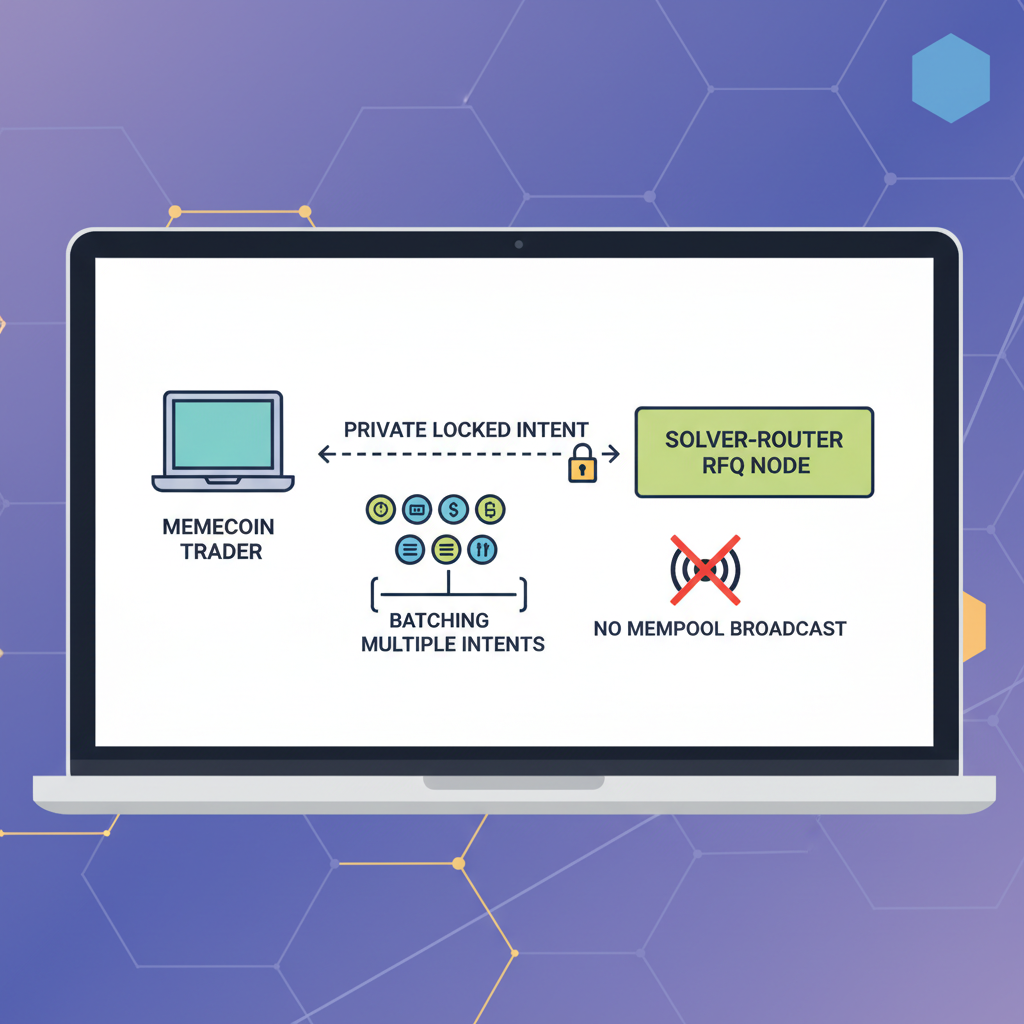
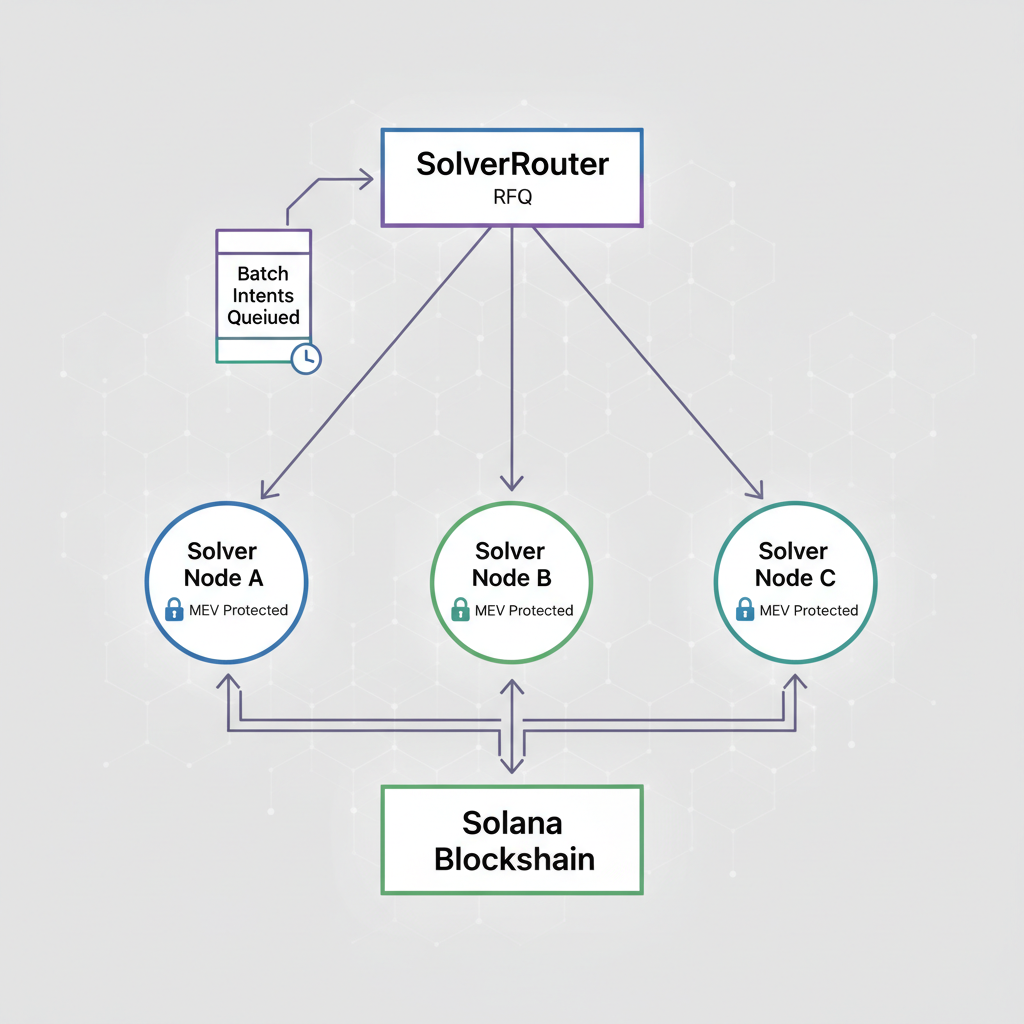
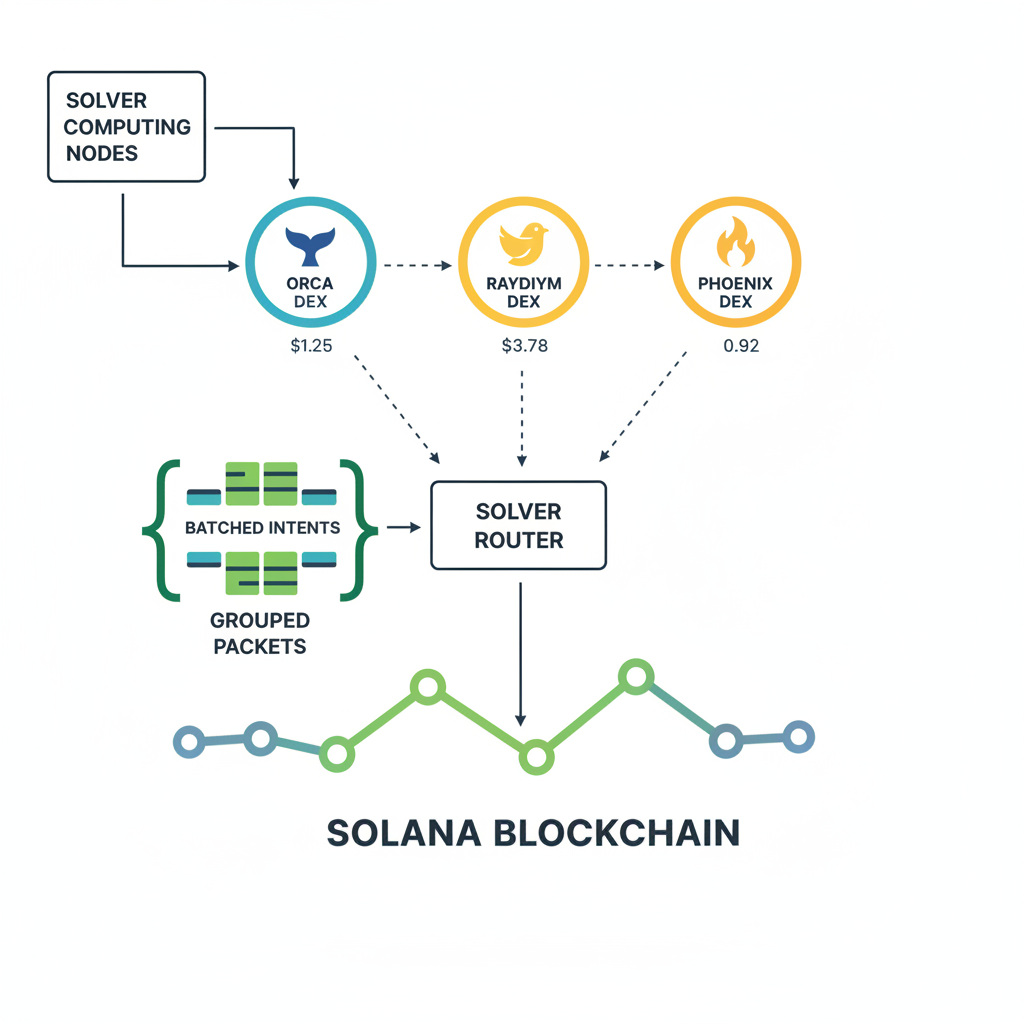
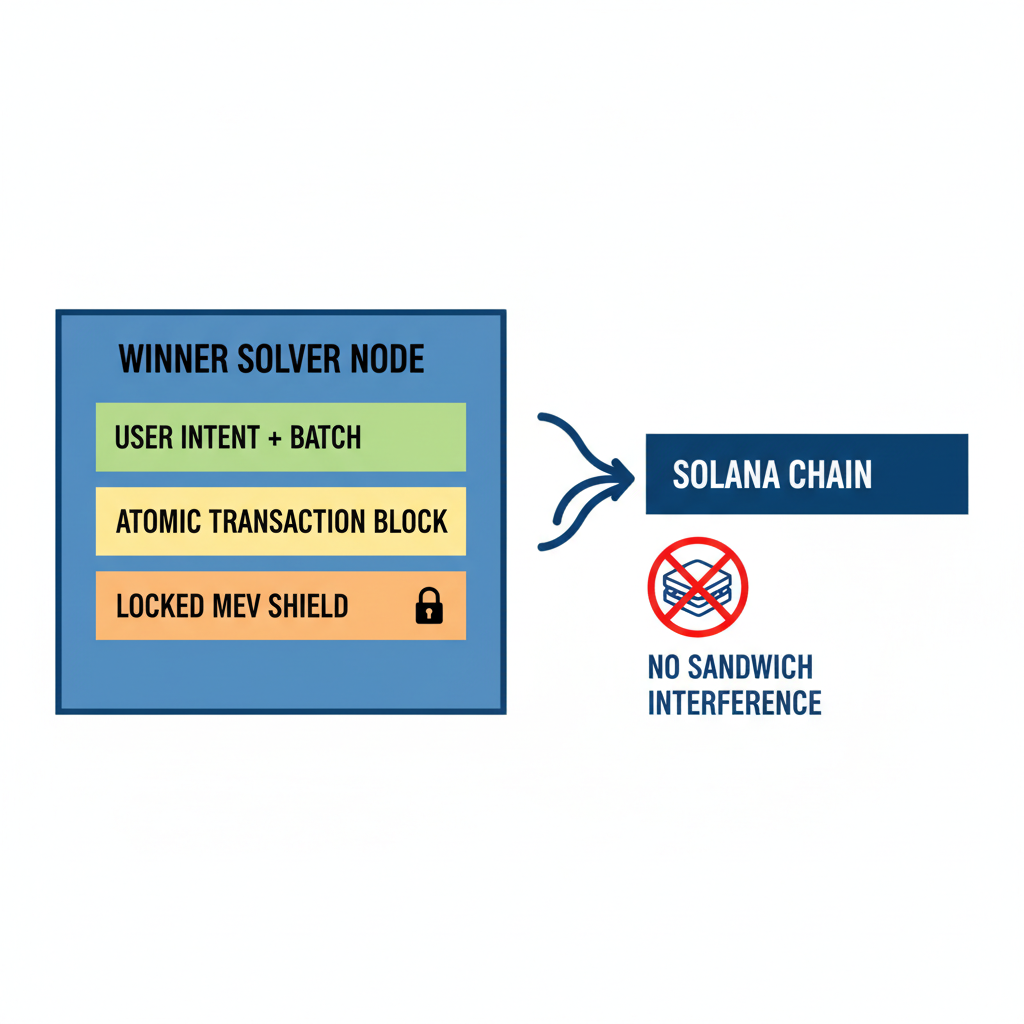
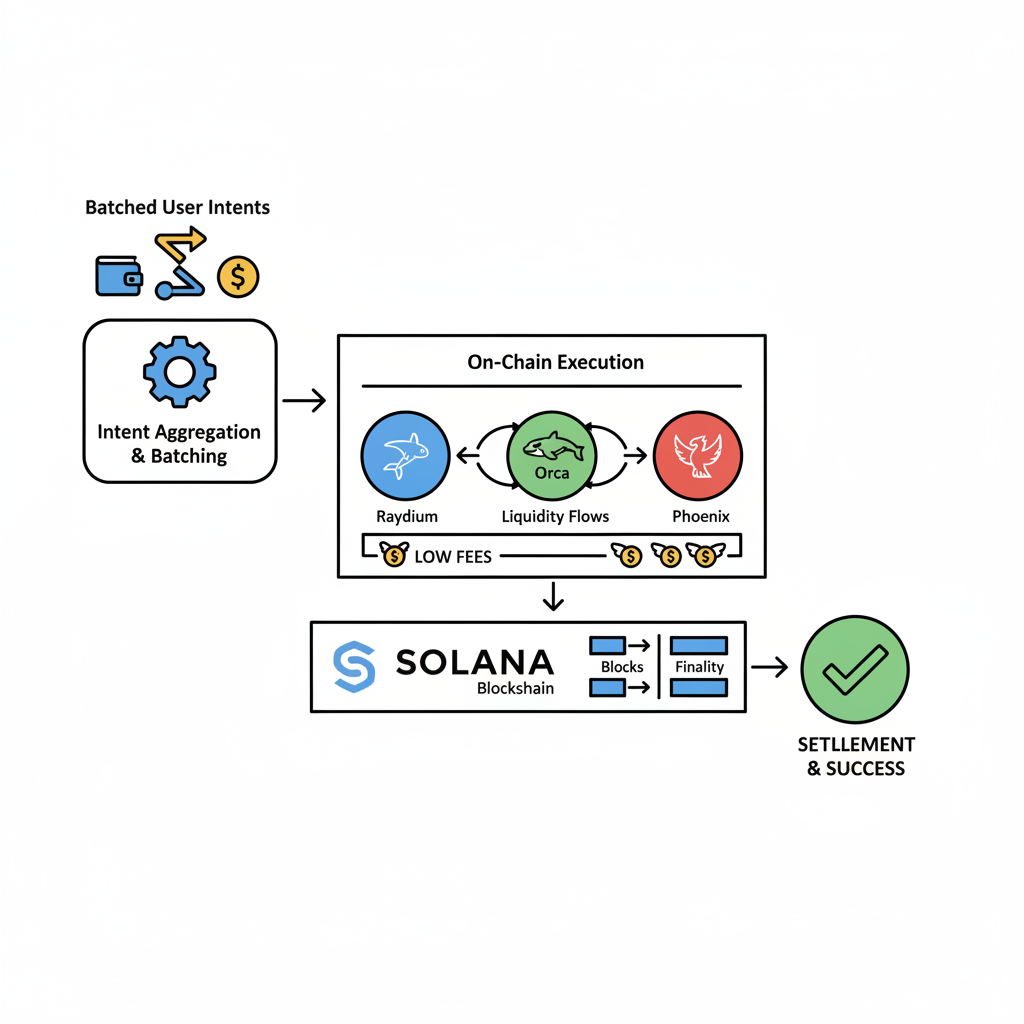
Quantified wins abound. Sandwich bots pilfered 12,000 and SOL last month, but aggregator users with solver backends saw near-zero incidents. For institutions eyeing Solana's $89.96 SOL price point, this translates to preserved alpha in macro plays.
Step-by-Step: Securing Your Swaps with Intent-Based Aggregators
Outsmart Sandwich Bots: 5-Step SolverRouter Guide for MEV-Protected Solana Swaps
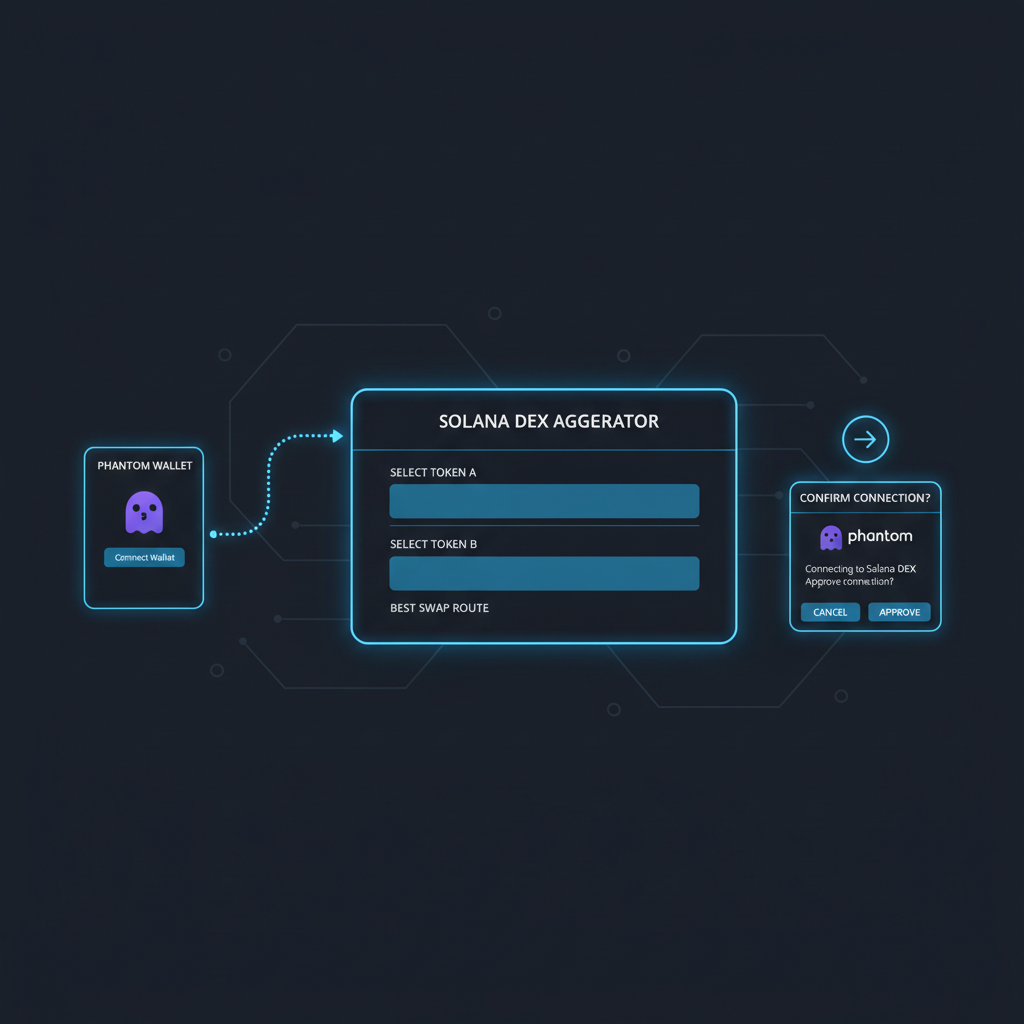
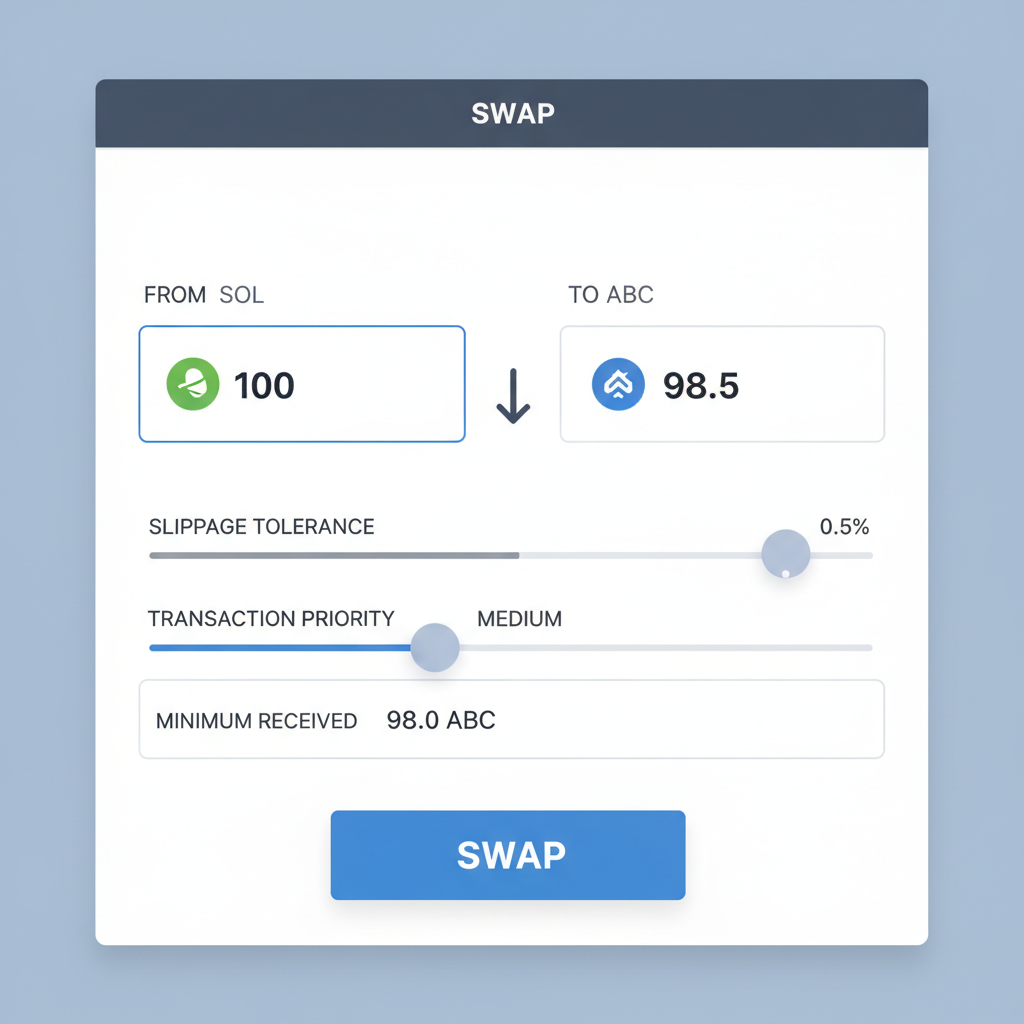
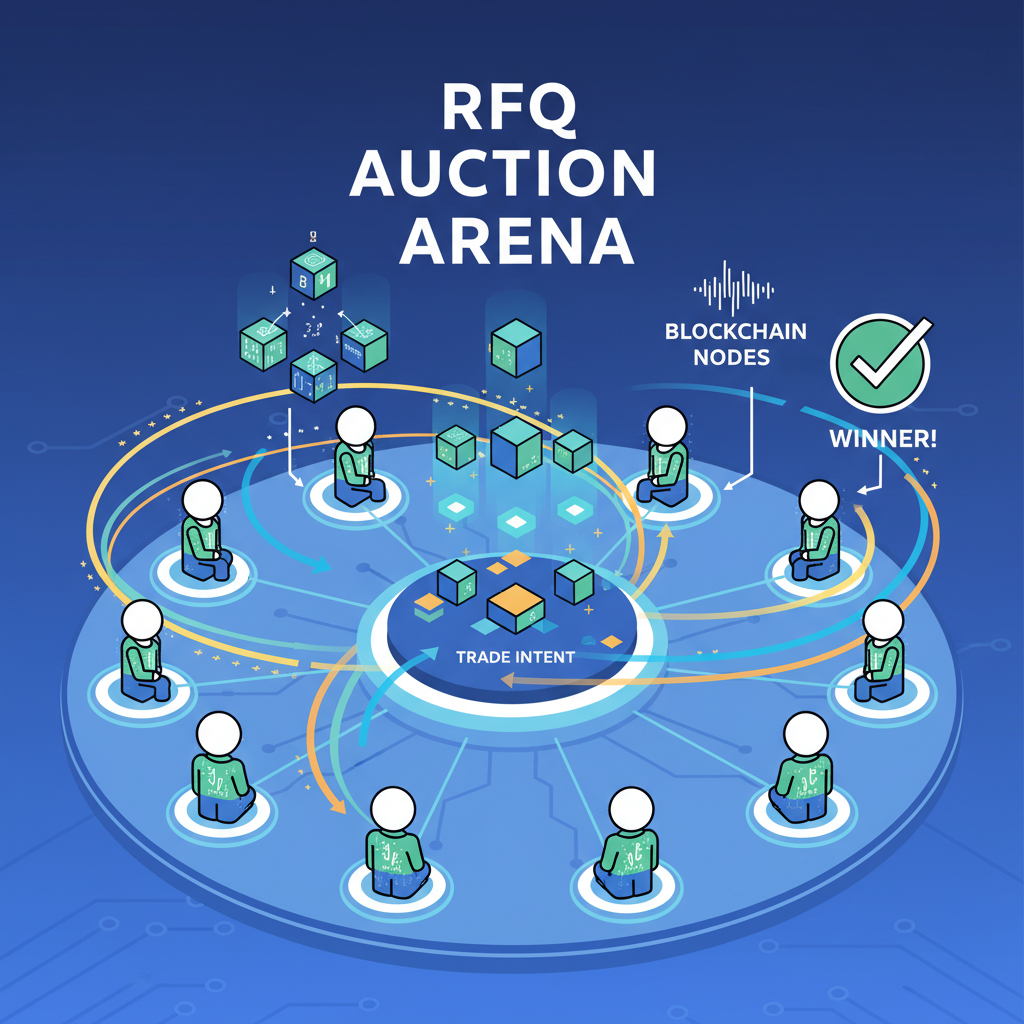
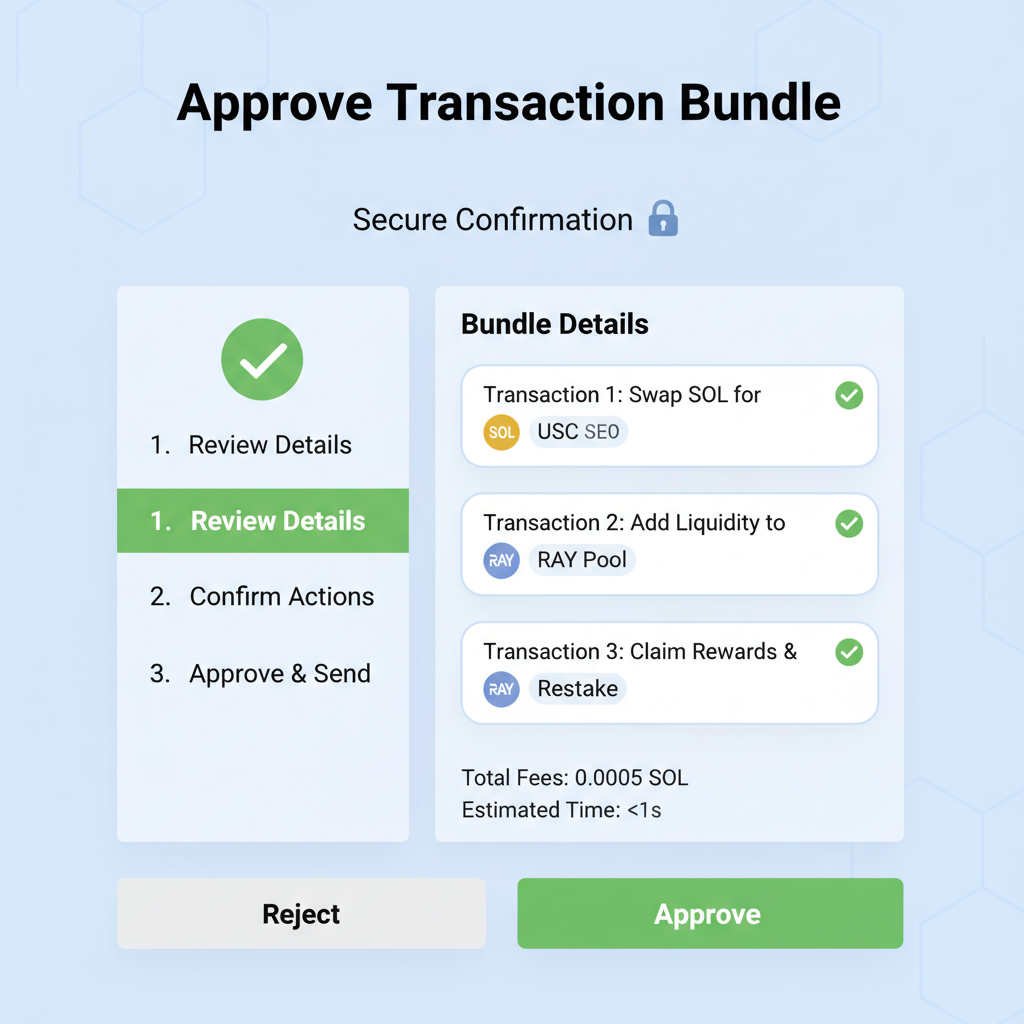

Adopting this workflow demands minimal adaptation yet yields outsized security. Traders report consistent fills even in frenzy, as solvers arbitrage across DEXs preemptively.
Challenges persist, though. Validator misbehavior, like recent Jito bans, exposes gaps in enforcement. Solver centralization risks loom if networks consolidate. Yet diversification - multi-solver auctions, cross-chain intents - counters these. From a CFA vantage, protocols with audited RFQ depth and transparent auctions merit allocation, fortifying portfolios against MEV drag.
Memecoin frenzies amplify these dynamics, with high slippage invites proving toxic. Intent aggregators recalibrate this, enforcing outcome guarantees over naive orders. As Solana matures, MEV protection Solana evolves from nice-to-have to core infrastructure.
SolverRouter's architecture anticipates this trajectory, blending aggregation prowess with solver incentives for sustained yields. With Binance-Peg SOL at $89.96 amid and $2.50 daily gains, high $93.75 and low $86.97, the chain's momentum pairs perfectly with these safeguards. DeFi's horizon brightens when intents empower solvers to outmaneuver bots, delivering sandwich attack prevention that scales with adoption. Strategic capital flows here, betting on resilient execution in blockchain's next chapter.




No comments yet. Be the first to share your thoughts!