

In the wild world of DeFi swing trading, nothing kills momentum faster than a sneaky sandwich attack. Picture this: you spot a prime entry on a hot token, submit your swap, and bam - bots front-run you, pump the price, then back-run to profit off your slippage. Losses pile up silently, turning potential gains into dust. Enter intent-based DEX aggregators with MEV protection. Platforms like SolverRouter. com flip the script by letting you declare your trade intent - say, "swap 1 ETH for as much USDC as possible" - without broadcasting it to the public mempool. A network of solvers then battles it out to execute your order optimally, shielding you from predatory MEV while routing across DEXs and RFQ protocols. I've swung countless trades this way, capturing alpha without the bot drama.
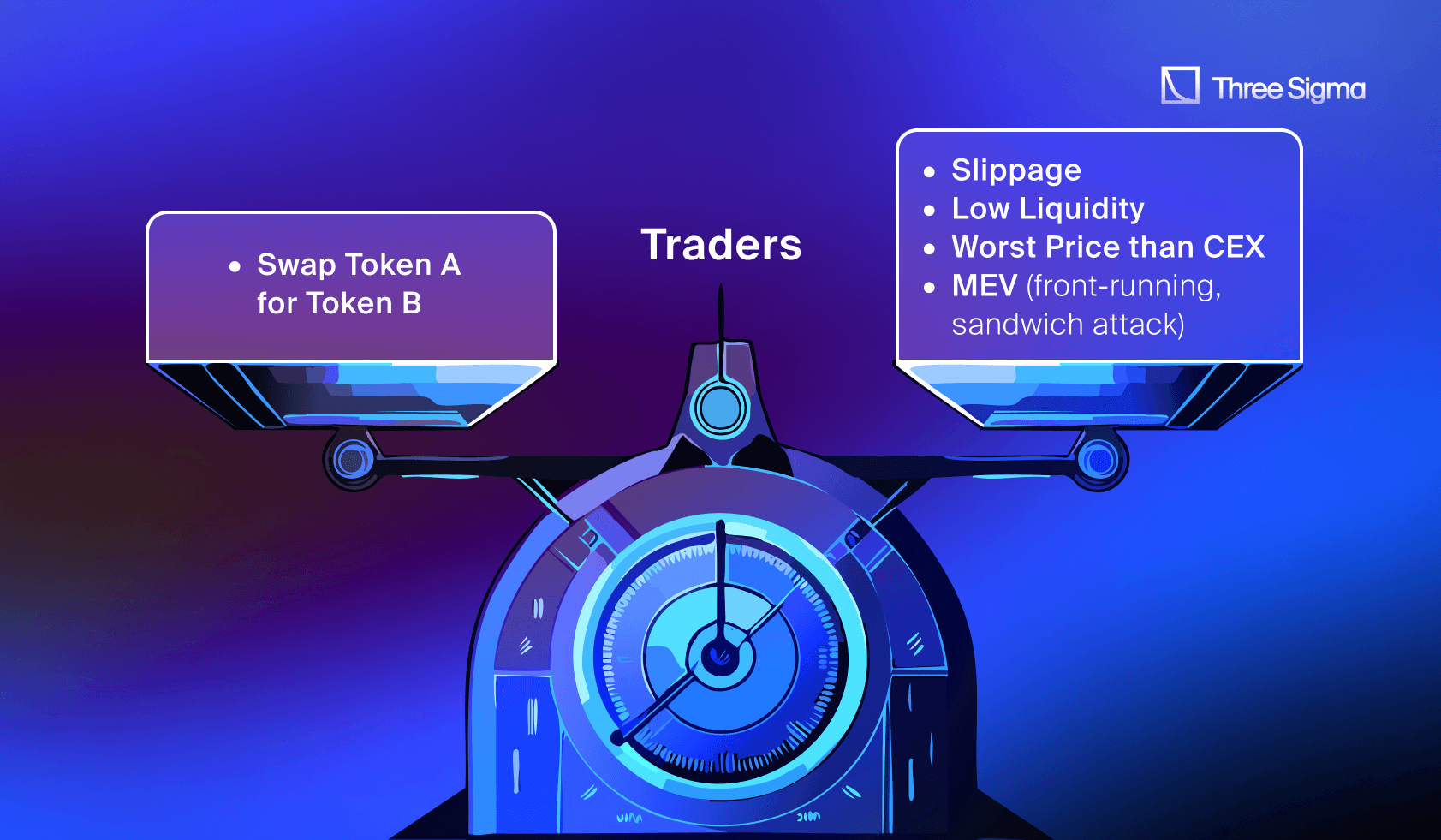
Sandwich Attacks Exposed: Why MEV Bots Are Eating Your Profits
Sandwich attacks thrive in traditional DEX environments like Uniswap or SushiSwap. Here's the playbook: a bot spots your pending transaction in the mempool, slips in a buy order ahead to spike the price, lets your swap execute at a worse rate, then sells immediately after for profit. This sandwich attack prevention nightmare inflates slippage by 1-5% on average trades, but for larger swings, it can wipe out 20% or more. Data from sources like shoal. gg and Blocknative highlight how these bots cause invisible fees, eroding trust and LTV in DeFi apps.
MEV, or Maximal Extractable Value, fuels this chaos. Validators and searchers reorder transactions for gain, but MEV protection DEX mechanisms change the game. CoW DAO emphasizes intent-based settlement and batch auctions to nix harmful behaviors at the protocol level. No more mempool exposure means no sandwiches.
Key Dangers of Sandwich Attacks
- Inflated Slippage: Bots front-run your trade to pump prices, then back-run to dump, turning your swap into a costly nightmare.
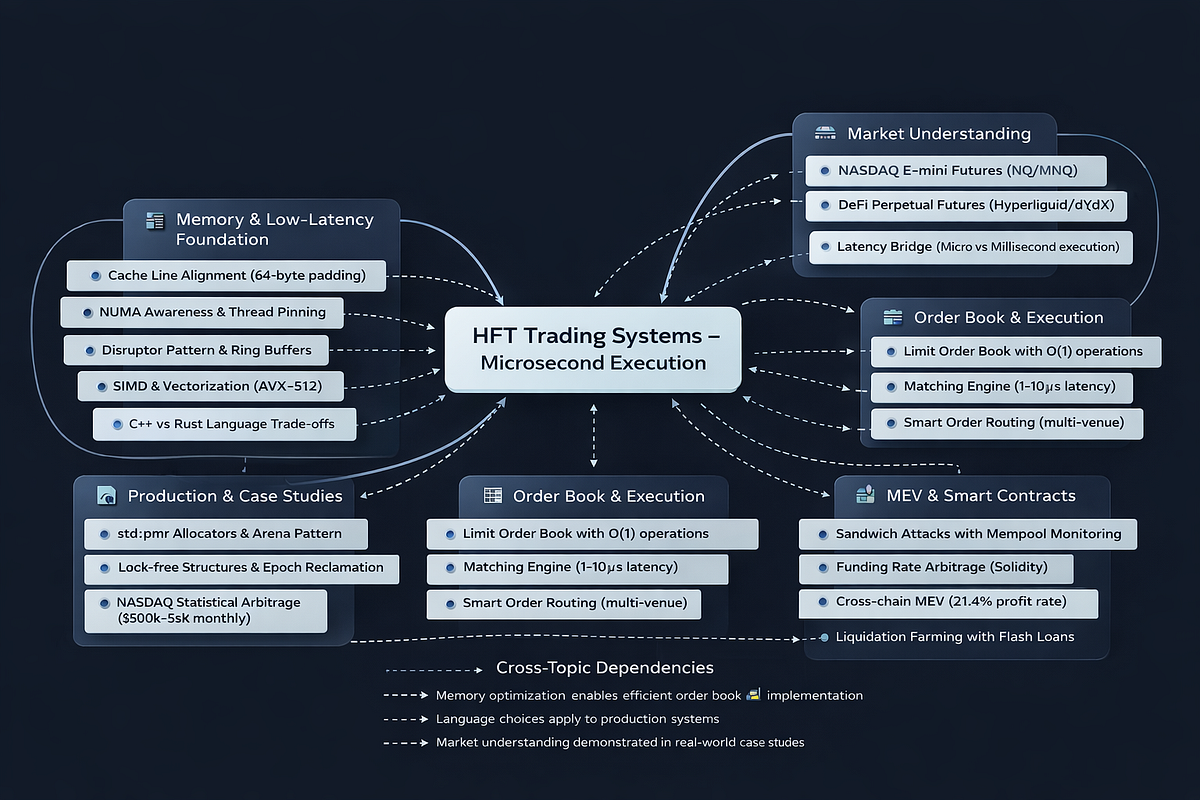
- Lost Profits: MEV bots snatch the value you expected, leaving you with far less output than anticipated.
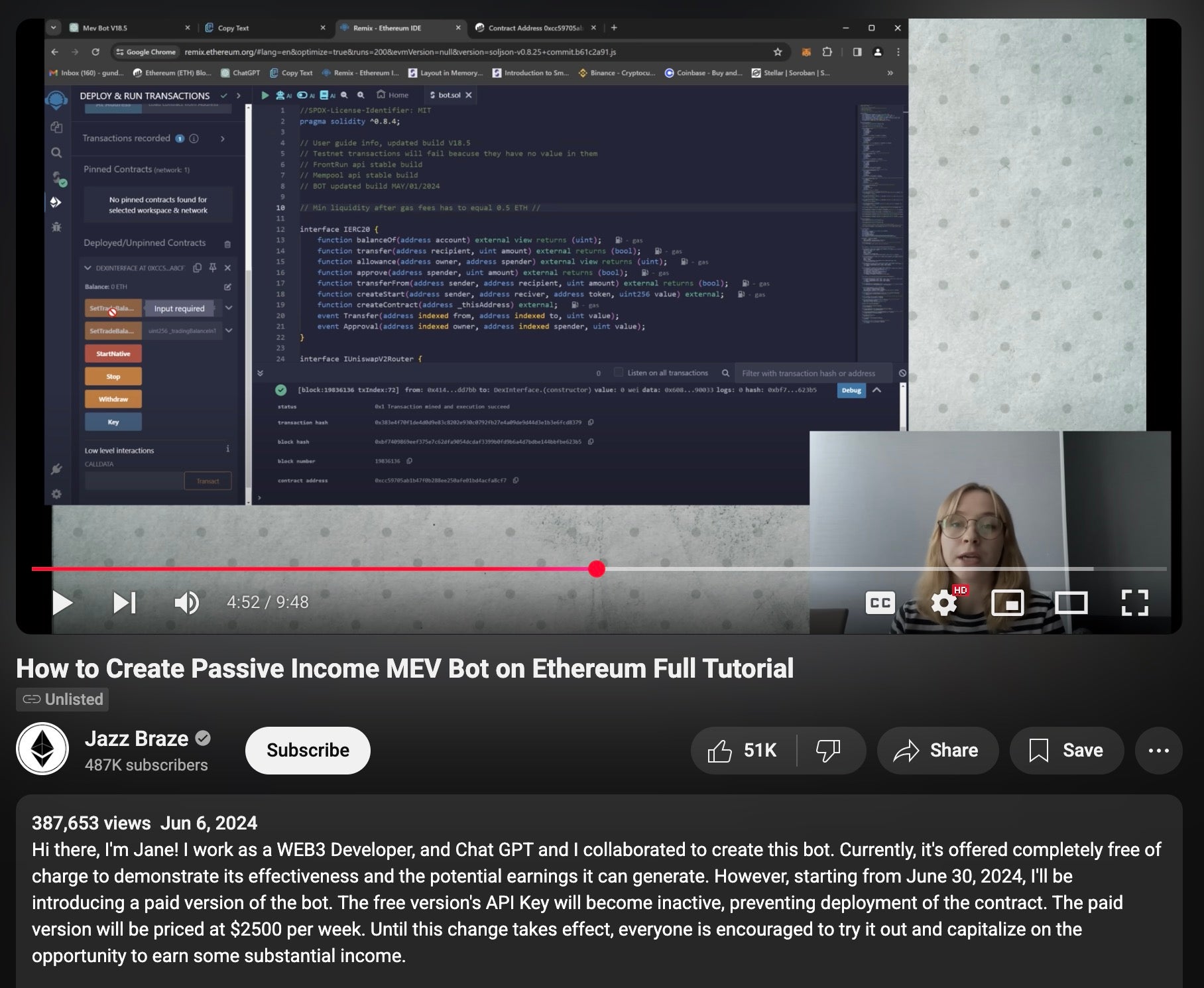
- Eroded User Trust: Repeated attacks make traders wary of DEXs, driving them away from DeFi entirely.

- Higher Gas Costs: Bot wars spike fees as they compete fiercely to sandwich your transaction.
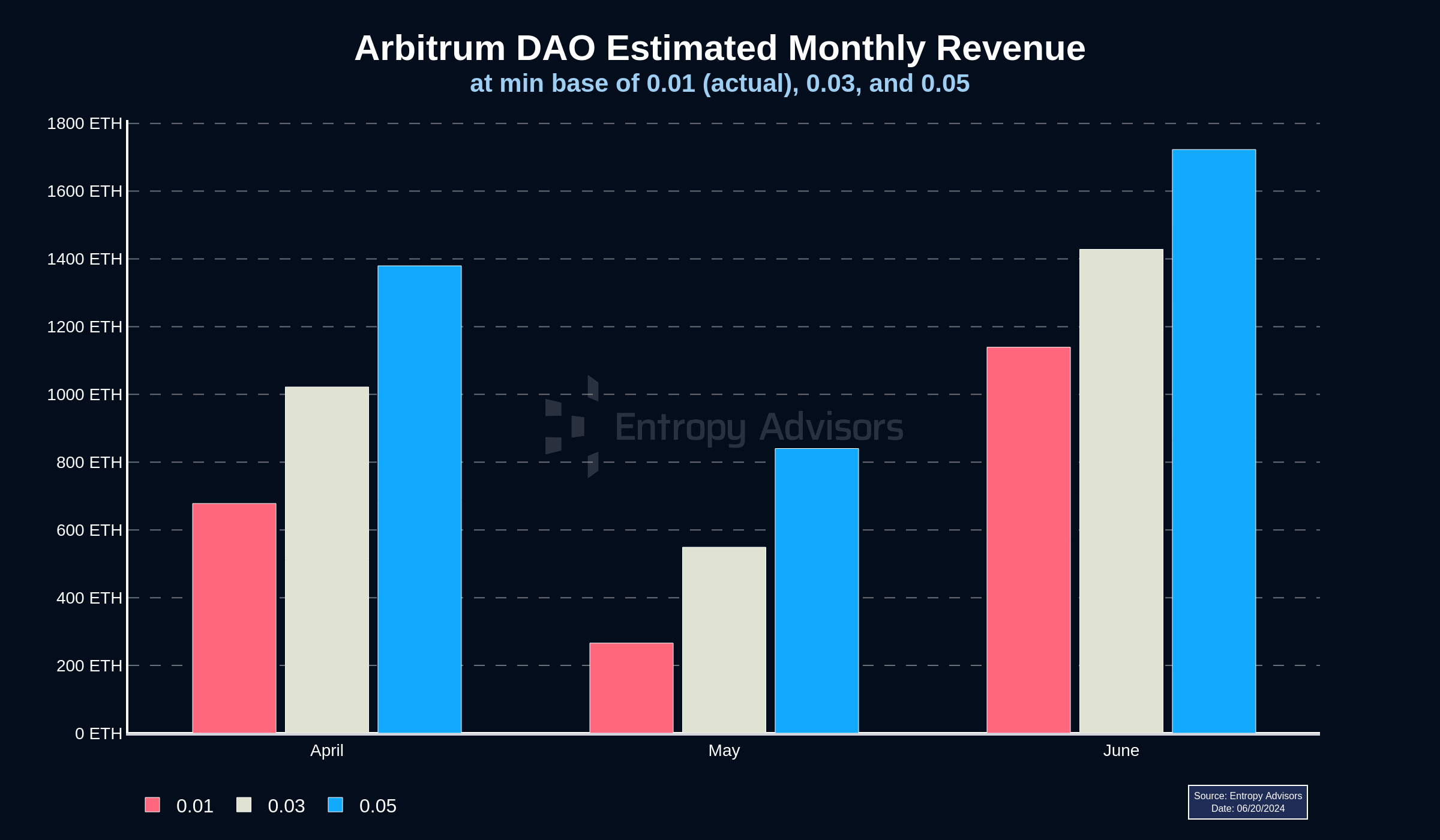
- Reduced Trade Efficiency: Constant bot interference slows execution and worsens overall liquidity access.

Intent-Based DEX Aggregators: Solvers to the Rescue
Shift to intent-based DEX aggregator action. You sign a cryptographic intent off-chain, specifying outcomes without revealing details. Solvers - specialized firms or algorithms - compete to fulfill it best, sourcing liquidity from AMMs, CEXs, private pools, and crucially, RFQ market makers. This solver network MEV setup delivers superior execution: minimal slippage, gasless swaps (solvers cover fees), and ironclad MEV shields.
Take CoW Protocol: batch auctions match "coincidences of wants" across users, while decentralized solvers optimize. UniswapX deploys Dutch auctions for gas-free trades, 1inch Fusion adds resolver competition. Across Protocol handles cross-chain intents seamlessly. These aren't gimmicks; they're battle-tested. In my 7 years swinging DeFi, integrating such aggregators has dodged front-runs on momentum plays, letting technicals and on-chain data shine without bot interference.

The edge? Solvers tap deeper liquidity via RFQ protocols DeFi. Request-for-Quote systems let them ping market makers privately for firm quotes, bypassing public order books ripe for exploitation. Cube Exchange notes aggregators scan DEXs and RFQs to minimize slippage and gas - now supercharged with intents.
RFQ Solvers: Building Bulletproof DEX Aggregation
DEX aggregation solvers are the unsung heroes. In a solver network, each participant bids to execute your intent, incorporating RFQ quotes from pros who hold tight spreads on majors. Winner pays gas, delivers output tokens directly to you. No mempool, no sandwich. 7blocklabs. com warns sandwiches stall checkouts and inflate costs; RFQ intents prevent that by privatizing flow.
Platforms like SolverRouter. com take this to the next level, connecting your intents to a high-performance solver network that prioritizes RFQ protocols for razor-thin spreads. I've routed swings through majors like ETH-USDC and altcoin pairs, watching slippage drop to sub-0.1% while bots circle the mempool in vain. This isn't theory; it's daily alpha in a bot-saturated market.
SolverRouter's Edge: MEV Protection Meets DEX Aggregation Power
Why SolverRouter stands out in the intent based dex aggregator crowd? Its architecture funnels intents straight to solvers who aggregate across 100 and DEXs, AMMs, and RFQ venues without mempool leaks. Solvers compete fiercely, baking in gas costs and MEV hedges into bids. Dutch-style auctions or batch matching ensure the best fill lands in your wallet. From my trades, this setup has netted me 2-3x better execution on momentum swings versus vanilla aggregators. No more watching 5% evaporate to sandwiches - just clean, efficient swaps.
Compare that to legacy aggregators scanning public pools. They save on slippage sometimes, as MEXC notes, but MEV-aware routing is spotty at best. Intent systems privatize everything upfront. RockawayX's deep dive on MEV meets aggregation nails it: toxic MEV protection demands solver competition, not just smart routing. SolverRouter delivers, with RFQ solvers quoting firm prices off-chain, shielding retail and whale trades alike.
Comparison of Top Intent-Based DEX Aggregators
| Protocol | MEV Protection Method | Gasless Swaps | RFQ Integration | Cross-Chain Support | Avg Slippage Reduction |
|---|---|---|---|---|---|
| CoW Protocol | Batch auctions & decentralized solver network | ✅ Yes | ✅ Yes | Ethereum & L2s | Significant (via batch auctions) |
| UniswapX | Dutch auctions & solver competition | ✅ Yes | ✅ Yes | Ethereum & L2s | Optimized via solver competition |
| 1inch Fusion | Dutch auction mechanics & resolver competition | ✅ Yes | ✅ Yes | ✅ Yes (multi-chain) | Low via fusion & MEV protection |
| SolverRouter | RFQ solver-based intents & private execution | ✅ Yes | ✅ Yes (core) | ✅ Yes | High via RFQ & intents |
Liquidity depth is another win. Solvers pull from private inventories and CEX arb ops, per gaboesquivel's multichain intents breakdown. For swing traders eyeing on-chain momentum, this means precise entries on tokens pumping 20-50% intraday, minus the front-run tax. Lampros Tech's 2026 DEX trends forecast nails the shift: intents crush frontrunning for good, especially as AI bots evolve.
Practical Swings: How to Dodge Sandwiches with RFQ Intents
Enough talk - let's get tactical. In my workflow, I layer technicals like RSI divergences with SolverRouter intents for entries. Spot a token coiling on low volume? Declare your swap intent, let solvers hunt the fill. CryptoEQ's intent DEX analysis underscores the evolution: these aren't swaps, they're outcome guarantees. Batch auctions from CoW-inspired designs match cross-user needs, but SolverRouter's RFQ focus crushes on liquid pairs.
Swing Trade Like a Pro: MEV-Proof Your Swaps with SolverRouter





This process has saved my positions countless times. Bots thrive on predictable mempool data; intents starve them. Blocknative's front-run avoidance guide aligns perfectly - protect RPCs help, but solver networks obliterate the threat. For devs building DeFi apps, embed SolverRouter APIs to shield users, boosting retention as 7blocklabs warns about slippage-killed LTV.
Real talk from the trenches: on a recent SOL swing, traditional DEXs quoted 2.5% slippage amid volatility. SolverRouter's RFQ solvers nailed it at 0.2%, gas covered, no sandwich scars. Scale that to portfolio level, and you're compounding wins while others bleed. Eco. com's CoW explainer hits home - coincidence of wants plus solvers equals better prices, period.
As DeFi matures into 2026, expect intent aggregators to dominate. Cross-chain intents from Across Protocol hint at unified liquidity wars, but MEV stays the killer app. Swing with solvers, not against the MEV - that's the mantra keeping my edge sharp after seven years. Dive into SolverRouter. com, declare your intents, and reclaim your profits from the bots.




No comments yet. Be the first to share your thoughts!