

In the fast-paced world of DeFi, where every basis point counts, intent-based DEX aggregators are quietly reshaping how we trade. Forget the old days of manually routing swaps across fragmented liquidity pools; now, you just declare what you want - say, swapping ETH for USDC with minimal slippage - and let a network of solvers battle it out to deliver the best outcome. Platforms like SolverRouter stand out here, blending intent-based DEX aggregation with ironclad MEV protection through RFQ protocols. It's not hype; it's a practical evolution that keeps your trades safe from predatory bots while chasing those slippage-free executions.
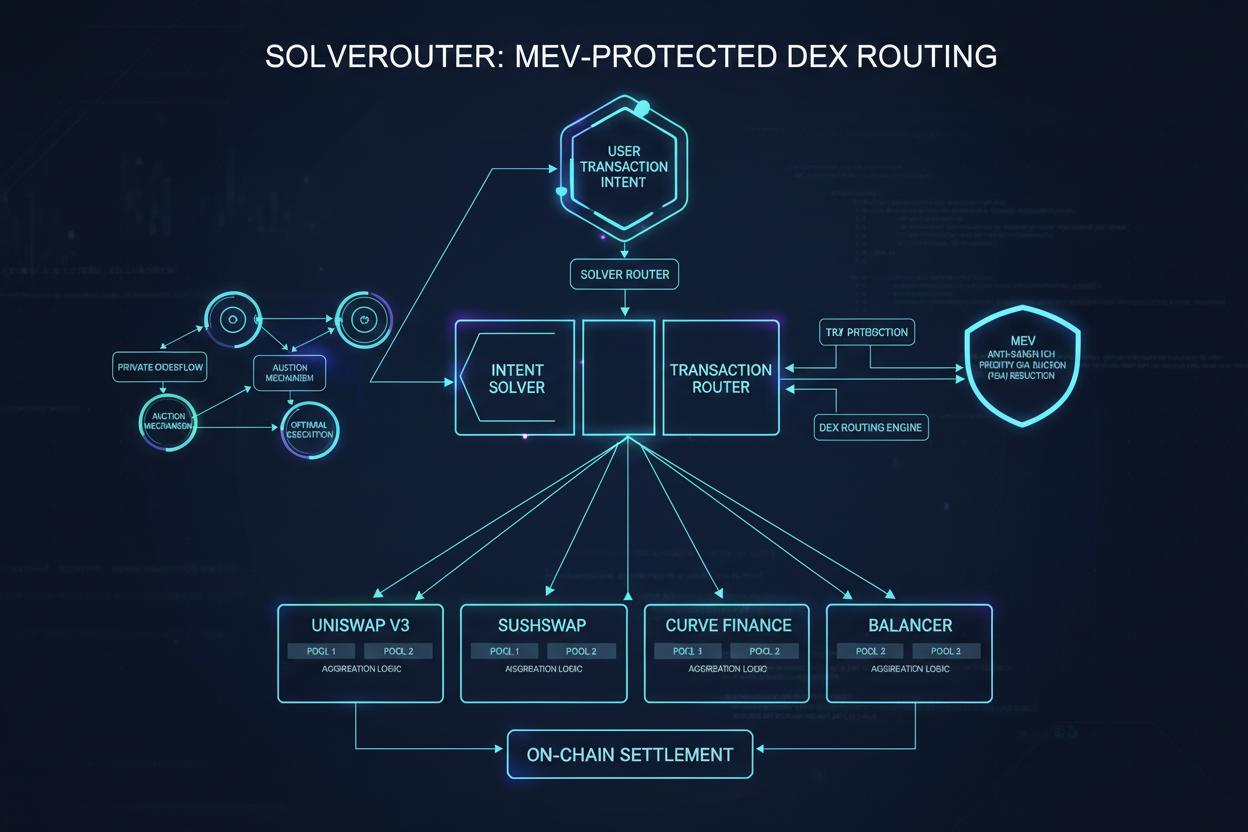
This shift matters because traditional DEX trading exposes you to the public mempool, where MEV bots lurk, front-running your orders or sandwiching them for profit. Intent-based systems flip the script: your transaction stays private until solvers compete off-chain to fulfill it. Drawing from setups like CoW Swap's batch auctions or UniswapX's Dutch auctions, these aggregators tap both on-chain and off-chain liquidity, often uncovering peer-to-peer matches that beat AMM prices.
Decoding Intents: From User Wish to Solver Execution
At its core, an intent is your trading goal stripped to essentials - asset in, asset out, minimum amount received, deadline. No need to specify paths or gas limits; solvers handle the complexity. This outsources state transitions, as noted in discussions around intent systems, letting specialized actors optimize across DEXs, RFQs, and even cross-chain bridges.
SolverRouter excels by connecting your intent to a curated network of high-performance solvers. These aren't random bots; they're pros using RFQ protocols to quote precise fills. Imagine requesting a $100k ETH-USDC swap: solvers scan Uniswap, Curve, and private RFQ sources, competing to offer the tightest spread without mempool exposure. The winner executes, capturing any MEV internally rather than letting it leak to searchers.

MEV's Shadow and Why Protection Defines the Best Aggregators
MEV - maximal extractable value - isn't just jargon; it's the silent tax eating into DeFi profits. Sandwich attacks inflate slippage by 1-5% on illiquid pairs, and front-running snipes arbitrage before you blink. Intent-based DEX aggregators with MEV protection neutralize this by keeping orders private. Solvers, incentivized by fees and tips, internalize MEV, aligning their profits with yours.
Take CoW Swap: its coincidence-of-needs matching and batch settlements shield users, often yielding better prices than direct DEX trades. UniswapX adds gas abstraction for seamless intents. But SolverRouter pushes further with SolverRouter RFQ protocols, enabling MEV-safe DEX swaps. In low-liquidity scenarios, where traditional aggregators falter, RFQ shines - direct quotes from market makers bypass AMM slip. Reddit threads echo this: for anything beyond ETH-USDC, intents mean bots eat MEV, not you.
Key Benefits of Intent Solvers
- MEV Protection via private mempools keeps trades hidden from public view, shielding against front-running and sandwich attacks. CoW Swap uses batch auctions for this.
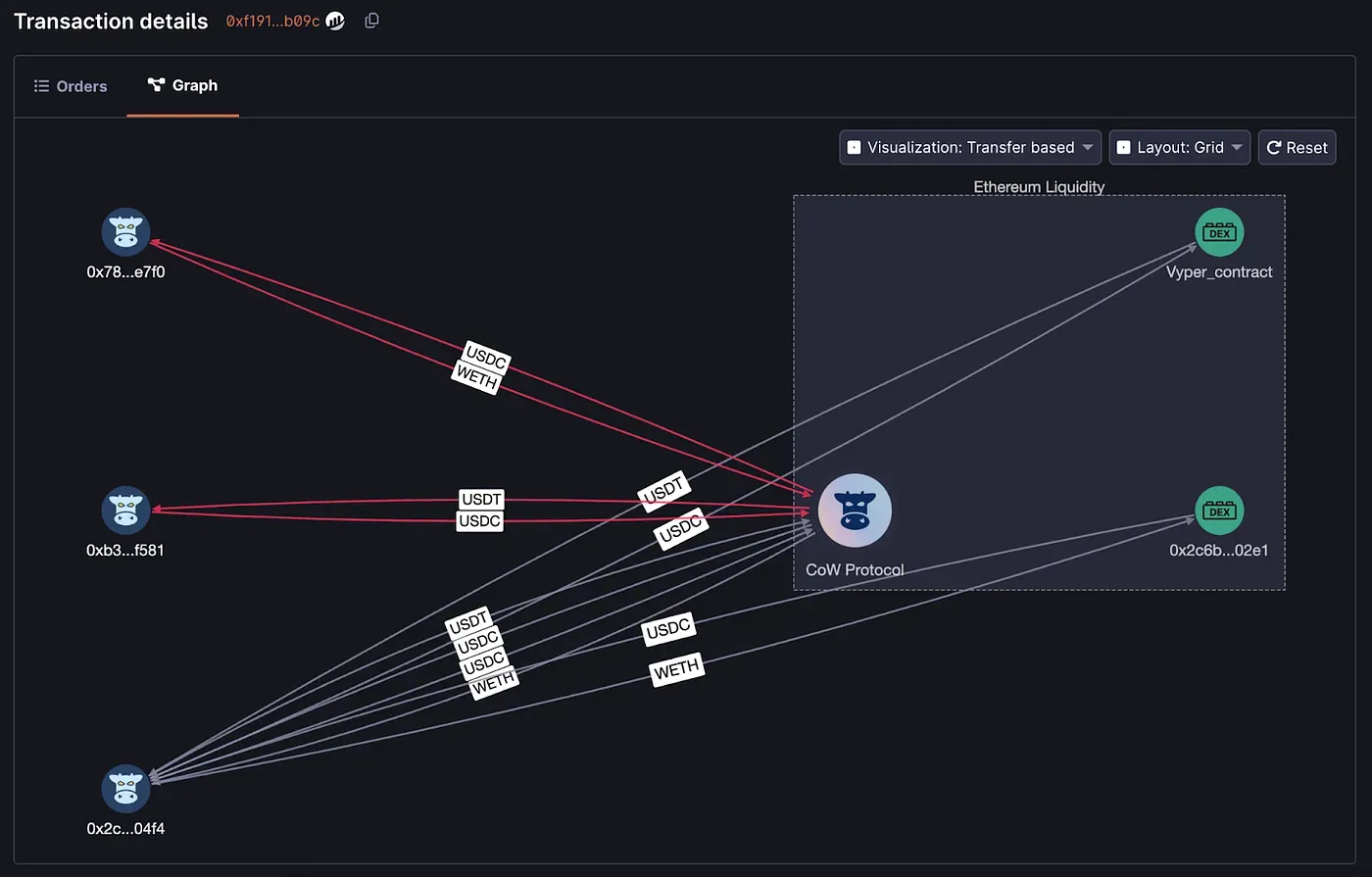
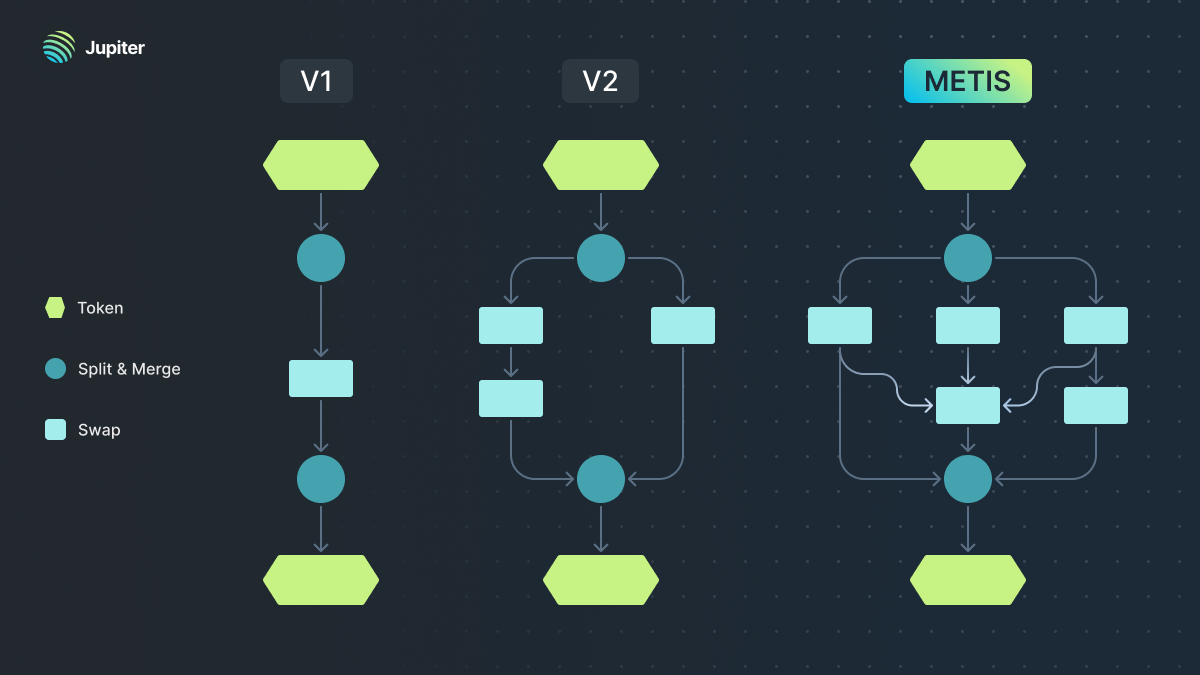
- Optimal Routing across DEXs and RFQs finds the best paths for execution. Solvers like those in Velora compete to deliver top routes.
- Reduced Slippage through solver competition ensures tighter prices and minimal impact. UniswapX Dutch auctions exemplify this edge.
- Off-Chain Liquidity Access taps deeper pools beyond on-chain sources for better fills. Intent systems like Sprinter Solve enable this seamlessly.

- Simplified UX for complex trades lets users just state intents—solvers handle the rest, boosting ease on platforms like CoW Protocol.

SolverRouter's Edge: RFQ Solvers for Truly Slippage-Free Trading
What sets SolverRouter apart in the intent solvers DeFi arena? Its RFQ-centric approach. Request-for-Quote protocols let solvers - from institutional desks to algo firms - bid precisely on your intent. This competition drives slippage-free crypto trading, especially for large or exotic pairs. Unlike pure AMM aggregators, which split orders and compound fees, SolverRouter's solvers bundle execution holistically.
Recent standards like ERC-7683 hint at interoperability, but SolverRouter is already there, routing intents seamlessly. Yield farmers love it: diversify across DEXs without gas wars or bot predation. As a portfolio manager, I've seen intents turn volatile swaps into predictable wins, balancing risk with efficiency. Sprinter Solve's API model inspires, but SolverRouter's network scales it for everyday traders.
That scalability is key in a market where liquidity fragments daily across new L2s and rollups. Traditional aggregators like 1inch or Paraswap chase on-chain paths, but they still leak to the mempool. SolverRouter's intent-based DEX aggregator model keeps everything contained, turning potential MEV into user surplus.
Comparing the Field: SolverRouter vs. CoW Swap, UniswapX, and Beyond
Let's stack it up. CoW Swap pioneered batch auctions, matching 'coincidences of wants' for MEV-free trades - great for retail, but solver competition can lag on massive orders. UniswapX's Dutch auctions pull in off-chain liquidity with gasless UX, yet RFQ depth varies by chain. Eco Portal and others shine in 2025 comparisons for niche features, but SolverRouter's RFQ solvers consistently edge out on slippage for mid-to-large swaps.
Comparison of Top Intent-Based DEX Aggregators
| Platform | MEV Protection | RFQ Support | Slippage Reduction | Best For |
|---|---|---|---|---|
| SolverRouter | Private mempool | Full RFQ network | Superior on exotics | Large trades |
| CoW Swap | Batch auctions | Strong | Good on retail | P2P matches |
| UniswapX | Dutch auction | Gasless | Solid AMM and offchain | Everyday swaps |
In my experience managing DeFi portfolios, this matters for yield strategies. A farmer rotating LP positions across Balancer and Aerodrome? SolverRouter's solvers find RFQ quotes that shave 20-50bps off AMM rates, compounding to real alpha over cycles. Reddit users nail it: intents shine where liquidity thins, protecting against bots without sacrificing speed.
Solvers aren't flawless power brokers, as some critiques note - centralization risks loom if a few dominate. Yet SolverRouter mitigates with open networks and ERC-7683 compatibility, fostering solver diversity. This standard could unify intents across protocols, but until then, platforms baking it in early win.
Real-World Wins: Slippage-Free Swaps in Action
Picture a developer bridging assets cross-chain: intents abstract the mess, solvers handling sequencer MEV on rollups. Or a trader eyeing exotics like ETH-staked variants - RFQ protocols unlock institutional quotes unavailable on public DEXs. Velora's intent explainer underscores how this privacy veil crushes sandwich risks, with solvers internalizing value.
For slippage-free crypto trading, it's transformative. High-volume pairs might not need it, but anything illiquid? Game-changer. I've routed intents through similar systems, watching effective prices beat market by 0.5-2% routinely. Gas fees drop too, as solvers optimize bundling.
Yield farmers get diversification without the drag. Spread positions over DEXs via one intent: solvers compete on total execution, minimizing cumulative slippage. It's balanced DeFi - risk-aware, not reckless.
Shoal's anti-MEV rundown and ChainScore's solver analysis highlight the ecosystem's maturity. Intents outsource complexity, letting users focus on strategy. As sequencers evolve on L2s, platforms like SolverRouter position solvers as the efficient middle layer, capturing value without the old mempool pitfalls.
DeFi's future leans intent-heavy, with MEV protection DEX aggregators leading. SolverRouter's RFQ edge makes it my go-to for portfolios blending fundamentals and tech. Traders chasing MEV-safe DEX swaps owe it to themselves to explore this network - where competition delivers, and bots stay sidelined.




No comments yet. Be the first to share your thoughts!