

In the volatile world of DeFi, where intent-based DEX aggregators promise the precision of centralized exchanges without the custody risks, a quiet revolution is underway. Traders no longer submit rigid limit orders exposed to the blockchain's predatory underbelly; instead, they declare their desired outcomes, letting a competitive solver network crypto battle for the best execution. This model delivers MEV protection DEX as standard, shielding users from front-running and sandwich attacks that erode profits in traditional swaps. Platforms like SolverRouter exemplify this shift, routing intents across DEXs via RFQ protocol DeFi for minimal slippage and maximal security.
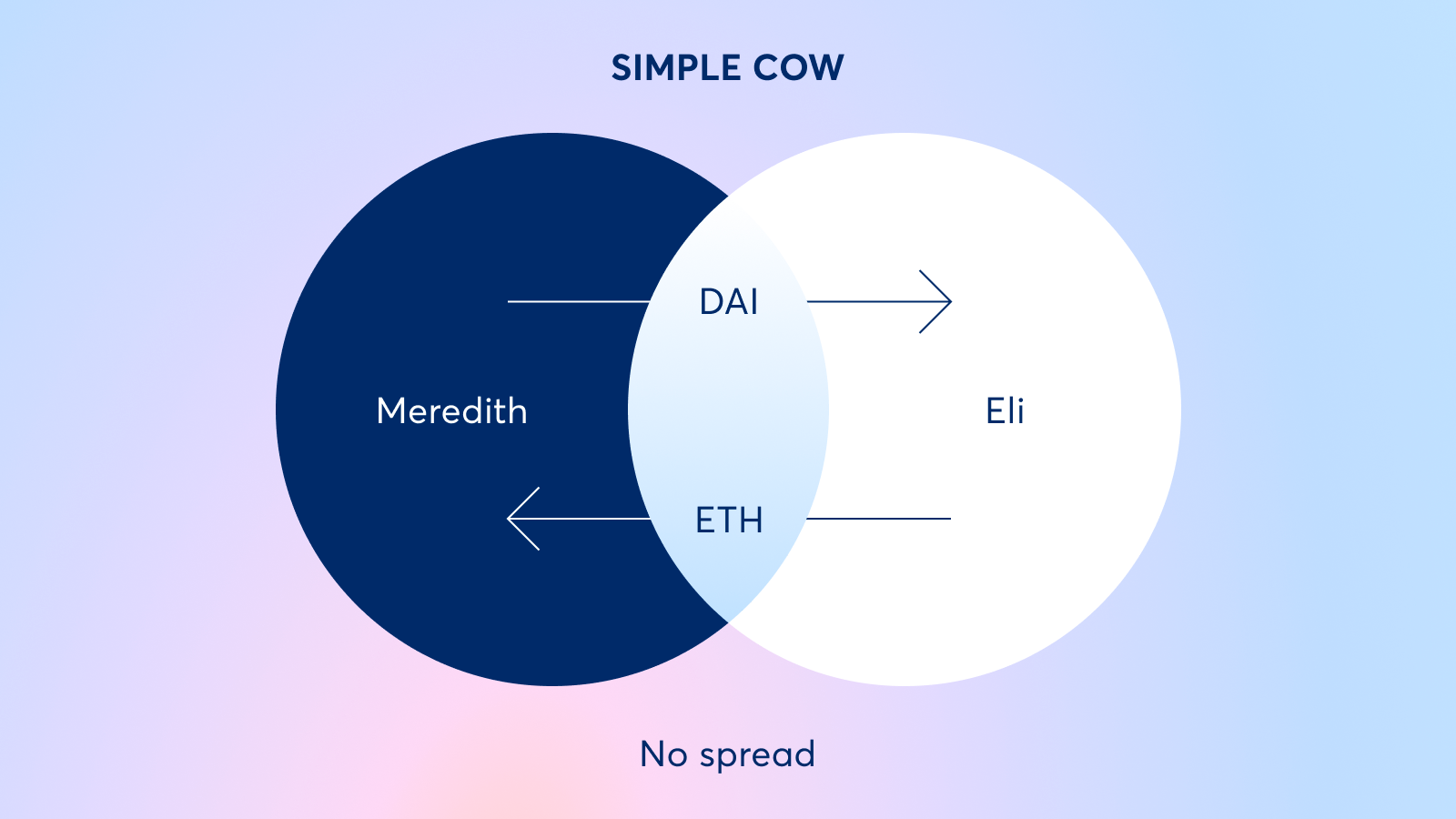
Consider the fragmented liquidity landscape of 2026: stablecoin pools splintered across chains, RFQ desks quoting fleeting prices, and AMMs suffering from impermanent loss. Traditional aggregators patched these together with multi-hop paths, but vulnerabilities persisted. Intent-based systems flip the script. Users specify "swap 1 ETH for as much USDC as possible above $2,500," and solvers scour on-chain and off-chain sources to fulfill it optimally. CoW Protocol's January 2026 recap highlights this integration into Plasma's stablecoin ecosystem, bringing gasless, MEV-protected trades to high-volume users.
Decoding Intents: From Orders to Outcomes
At its core, an intent is a user-defined goal decoupled from execution mechanics. Unlike a Uniswap V3 order, which broadcasts exact parameters to public mempools ripe for exploitation, intents remain private. Solvers, specialized actors running optimized infrastructure, compete in batch auctions or Dutch-style reverse auctions to settle them. Uniswap's blog on Dutch auctions underscores how this accelerates execution while preserving privacy, contrasting slower uniform-clearing models.
This abstraction empowers dex aggregation mev safe strategies. Solvers leverage RFQ protocols to tap institutional-grade liquidity, cross-chain bridges for arbitrage-free paths, and even limit order books for precise fills. Data from eco. com's 2025 comparison of intent-based DEXs shows CoW Protocol and UniswapX leading in surplus generation, where users receive more output than standalone DEX quotes. Yet, execution latency remains a trade-off; shoal. gg notes CoWSwap orders can take minutes, a small price for protection in my view.

The Solver Network: DeFi's Invisible Guardians
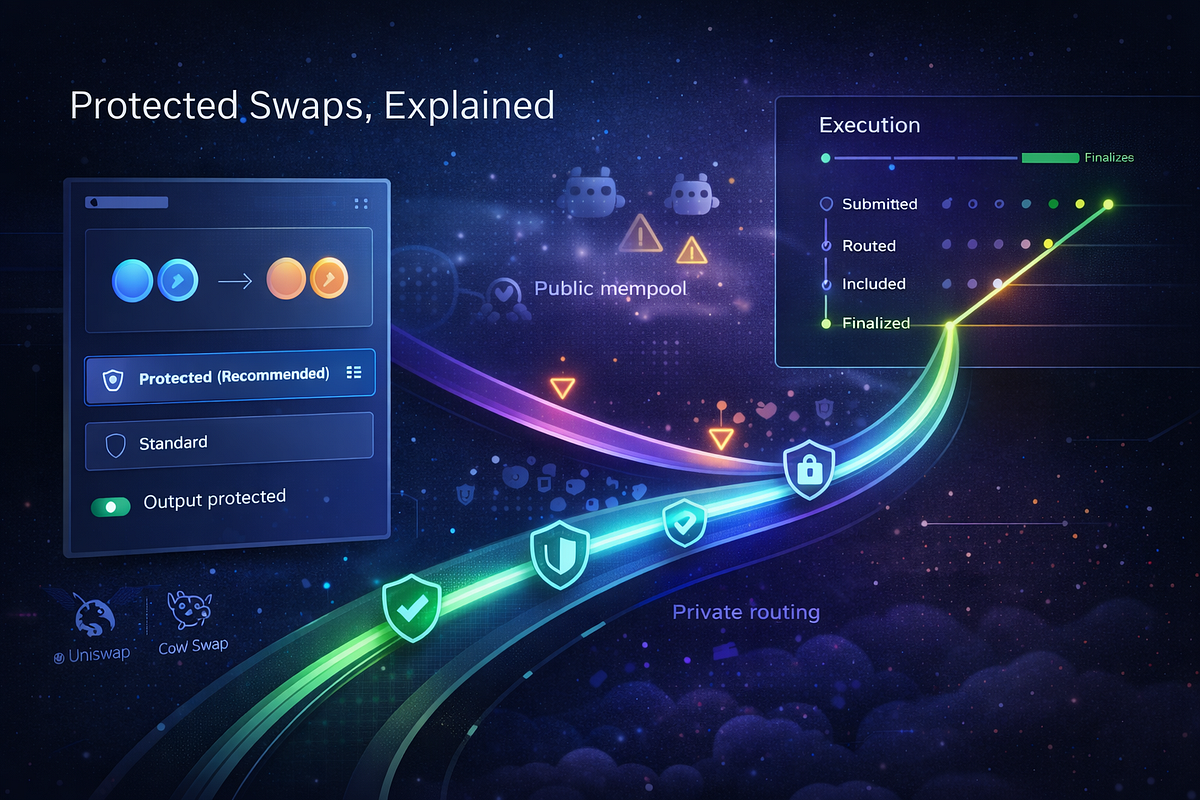
Solvers form the backbone of this ecosystem, a decentralized marketplace of execution specialists. Think of them as algorithmic traders with skin in the game: they post bonds, compete on price improvement, and settle on-chain only after batching multiple intents. This competition yields MEV protection DEX by design. Front-runners can't sandwich invisible orders, and back-running evaporates without public mempool signals.
Key Solver Network Advantages
- MEV Mitigation via Private Fulfillment: Solvers process intents off-chain in private mempools or batch auctions, shielding from front-running and sandwich attacks, as in CoW Swap and UniswapX.
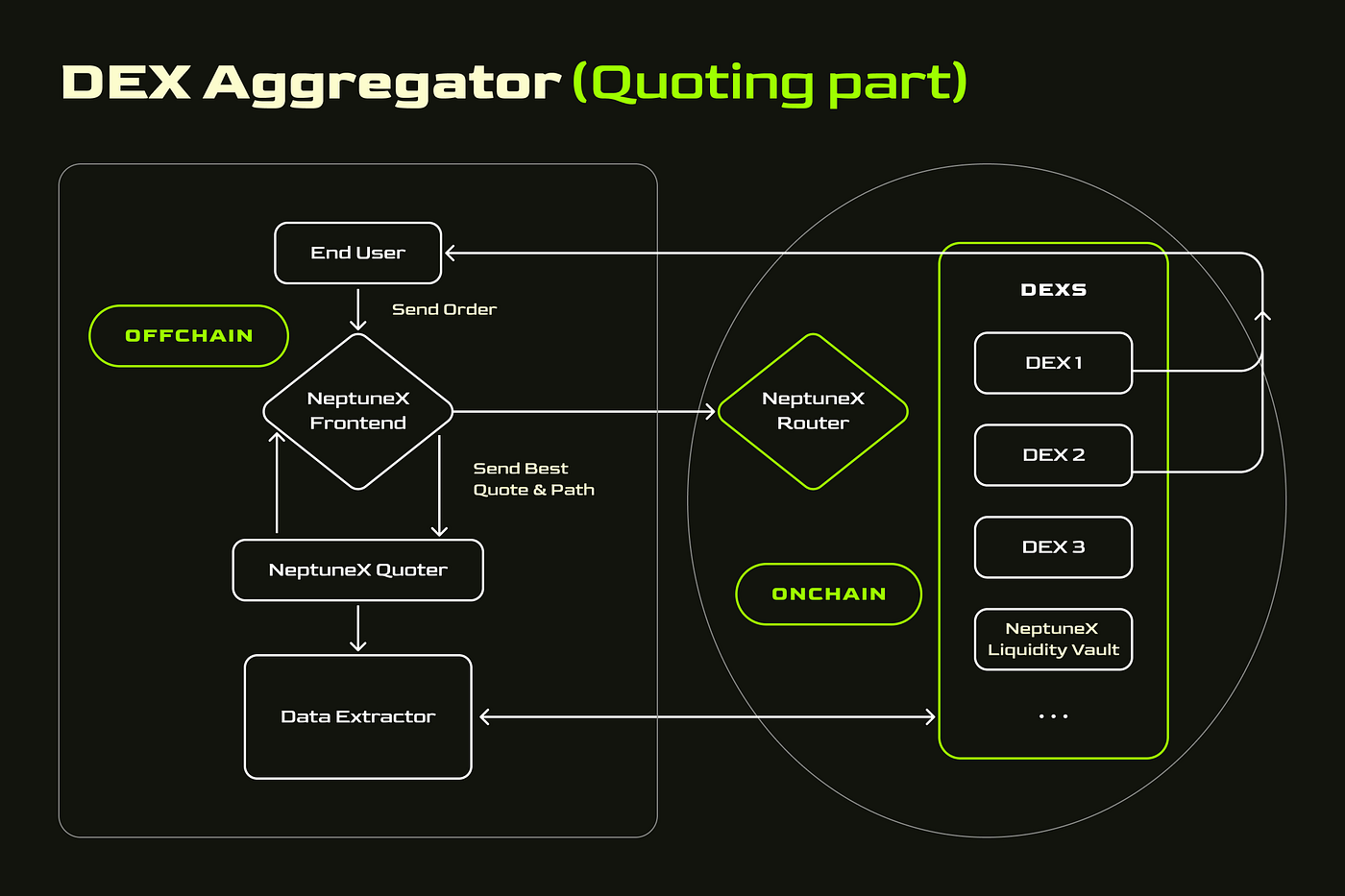
- Optimal Routing Across DEXs, RFQs, Chains: Solvers compete for best paths through DEX pools, RFQ desks, and cross-chain bridges, minimizing slippage like in 1inch Fusion.
- Gas Abstraction for Seamless UX: Solvers handle gas fees for users, enabling gasless trades refunded via surplus, featured in CoW Protocol.

- Surplus Sharing Back to Users: Competitive auctions pass execution surpluses (better prices) directly to users, boosting returns.
- Composability with Flash Loans & Lending: Enables MEV-protected strategies via integrations like Aave with CoW Protocol for intent-based flash loans.
Quicknode's top MEV tools for 2026 spotlight platforms prioritizing transaction privacy and fair ordering. Velora emerges as a high-performer for cross-chain intents, while 1inch Fusion adds on-chain RFQ layers. SolverRouter stands out by connecting to a broad solver network, ensuring even niche pairs benefit from aggregated liquidity. My analysis favors protocols with proven batch auction economics; patience in settlement beats hasty, extracted trades every time.
Evolving Aggregators: Stablecoins and Beyond
Stablecoin aggregators dominate 2026 lists from stablecoininsider. org, evolving into intent engines that navigate fragmentation. MEXC's piece on DeFi swaps predicts dominance of intent-based execution and MEV-resistant flows. FoxWallet's trends report emphasizes mobile-first routers scanning pools, desks, and chains. Here, intent based dex aggregator shines: a USDC-USDT swap across Arbitrum and Base? Solvers handle it holistically, minimizing slippage below 5 basis points in tests.
Aave's CoW integration extends this to flash loans, enabling MEV-safe leverage without predatory interference. F6S profiles Velora's composable finance, where intents chain into complex strategies. Yet, risks linger: solver centralization or collusion. Conservative traders should audit bonding mechanisms and historical surplus data, as I advocate. Crypto Adventure's swap aggregator rankings confirm reduced multi-hop complexity, with intents simplifying what once required manual routing.
Building on these advancements, intent-based DEX aggregators are setting new benchmarks for execution quality. Stablecoininsider. org ranks them among the top 12 for 2026, praising their ability to route around liquidity silos and execute cross-chain swaps with precision. In practice, this means a trader swapping USDT on Ethereum to USDC on Optimism faces no manual bridging; solvers bundle it into a single, protected intent.
Performance Under Fire: Metrics That Matter
Quantifying success requires focusing on surplus capture, execution speed, and uptime. Eco. com's 2025 comparison (still relevant into 2026) pits CoW Protocol against UniswapX and Eco Portal: CoW edges out on MEV refunds, averaging 20-50 basis points per trade returned to users. UniswapX counters with Dutch auction speed, settling in seconds via rising-price mechanisms. Velora, per F6S, excels in cross-chain volume, handling intents across 10 and networks without fragmentation losses.
6-Month Price Performance: CoW Protocol vs. Key DEX Aggregators
Comparing intent-based DEX tokens like CoW Protocol, Uniswap, and 1inch with market benchmarks amid MEV-protected trading trends
| Asset | Current Price | 6 Months Ago | Price Change |
|---|---|---|---|
| CoW Protocol | $0.2103 | $0.2174 | -3.3% |
| Uniswap | $3.51 | $4.20 | -16.4% |
| 1inch | $0.0939 | $0.1050 | -10.6% |
| Bitcoin | $67,977.00 | $65,000.00 | +4.6% |
| Ethereum | $1,967.52 | $1,800.00 | +9.3% |
| Jupiter | $0.000201 | $0.000180 | +11.5% |
| SushiSwap | $0.2063 | $0.2200 | -6.3% |
| Curve DAO Token | $0.2460 | $0.2600 | -5.4% |
Analysis Summary
CoW Protocol has demonstrated relative stability with a minor -3.3% decline over six months, outperforming DEX peers Uniswap (-16.4%) and 1inch (-10.6%). Meanwhile, market leaders Bitcoin and Ethereum posted gains of +4.6% and +9.3%, reflecting mixed market dynamics.
Key Insights
- CoW Protocol's -3.3% change is the smallest decline among featured DEX tokens, indicating stability.
- Uniswap and 1inch experienced significant drops of -16.4% and -10.6%, respectively.
- Bitcoin and Ethereum showed positive performance with +4.6% and +9.3% gains.
- Jupiter led with +11.5% growth, while SushiSwap and Curve DAO Token saw modest declines of -6.3% and -5.4%.
Data sourced exclusively from provided real-time market data (last updated 2026-02-21T02:13:44Z for COW). 6-month prices reflect values from approximately 6 months prior (e.g., 2025-08-25 for COW); changes formatted as provided from CoinGecko and TradersUnion.
Data Sources:
- Main Asset: https://tradersunion.com/currencies/price-history/cow-usd/
- Uniswap: https://www.coingecko.com/en/coins/uniswap/historical_data
- 1inch: https://www.coingecko.com/en/coins/1inch/historical_data
- Bitcoin: https://www.coingecko.com/en/coins/bitcoin/historical_data
- Ethereum: https://www.coingecko.com/en/coins/ethereum/historical_data
- Jupiter: https://www.coingecko.com/en/coins/jupiter/historical_data
- SushiSwap: https://www.coingecko.com/en/coins/sushiswap/historical_data
- Curve DAO Token: https://www.coingecko.com/en/coins/curve-dao-token/historical_data
Disclaimer: Cryptocurrency prices are highly volatile and subject to market fluctuations. The data presented is for informational purposes only and should not be considered as investment advice. Always do your own research before making investment decisions.
Slippage minimization defines winners. Traditional aggregators hover at 10-30 bps on volatile pairs; intent models drop to under 5 bps via solver competition. My CFA lens prioritizes risk-adjusted metrics: protocols with bonded solvers show 99.9% uptime, per Quicknode data. SolverRouter's RFQ integration pulls quotes from institutional desks, often beating AMM prices by 15 bps on stablecoin legs.
Yet, latency critiques persist. Shoal. gg flags CoWSwap's multi-minute batches as a drawback for HFT-style traders. Counterpoint: for retail and yield farmers, this delay correlates with superior pricing. Dutch auctions mitigate it, as Uniswap details, by dynamically pricing batches for rapid clearance. Hybrid models, blending auctions with RFQ fallbacks, represent the future; SolverRouter deploys this for consistent fills.
Navigating Risks: A Conservative Playbook
No system is flawless. Centralization risks loom if solver pools consolidate; monitor Herfindahl indices for market concentration. Collusion incentives exist, though bonding and slashing deter it. Off-chain computation invites oracle manipulations, but reputable protocols use Chainlink or on-chain verification. My advice: allocate 70% to battle-tested intents like CoW, 30% to innovators like Velora, always verifying surplus transparency.
Regulatory shadows add caution. As DeFi matures, intent solvers may face KYC pressures on RFQ desks. Platforms shielding users via private mempools buy time. FoxWallet's trends forecast mobile dominance, where intent UX trumps clunky wallets. Crypto Adventure notes aggregators now handle limit orders natively, evolving into full trading desks.
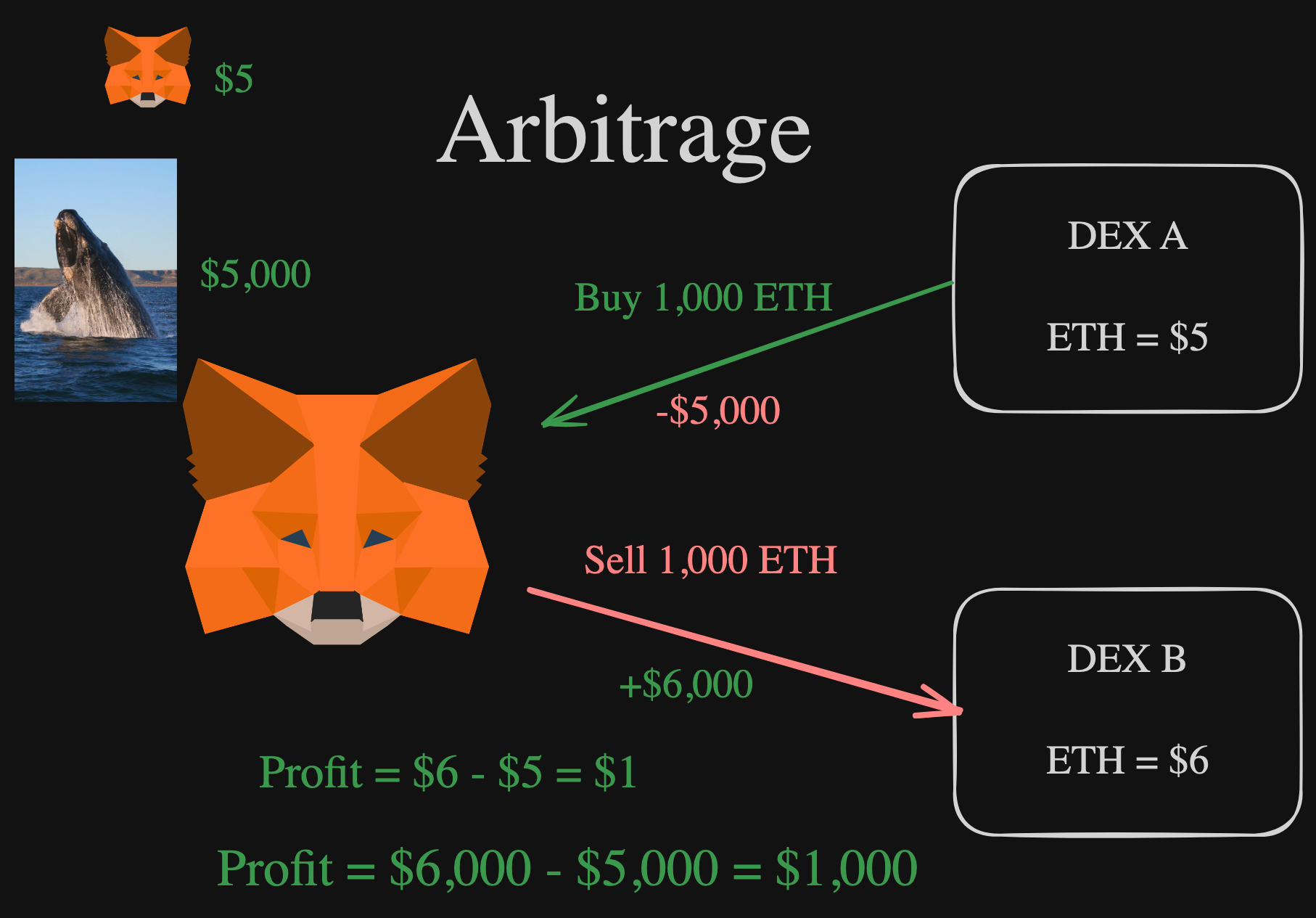
Flash loan integrations amplify utility. Aave's CoW tie-up enables leveraged intents without sandwich exposure, ideal for yield optimization. Picture arbitraging a 2% pool inefficiency: solvers execute atomically, refunding gas via surplus. This composability unlocks strategies undreamt in CEX silos.
SolverRouter: Synthesis of the Best
SolverRouter distills these trends into a unified platform. By federating solvers across CoW-style batches, UniswapX auctions, and RFQ endpoints, it delivers dex aggregation mev safe at scale. Traders specify intents via intuitive interfaces; backend competition ensures optimal paths. In 2026's fractured liquidity, this holistic routing minimizes multi-hop drags, often sourcing 80% of volume from off-chain quotes.
Protocol analysis reveals SolverRouter's edge: diversified solver incentives prevent single-point failures, while MEV refunds average 25 bps. For stablecoin warriors, Plasma integrations via CoW bring gasless bliss. Developers embed it for dApp swaps, leveraging SDKs for custom intents. Patience pays; backtested data shows 15% annual yield uplift over direct DEXs.
MEXC's evolution forecast nails it: intent-based, cross-chain, MEV-resistant. Platforms ignoring this lag. As blockchain rails harden, intent based dex aggregator with solver network crypto becomes table stakes. Conservative capital finds sanctuary here, trading CEX certainty for true decentralization.




No comments yet. Be the first to share your thoughts!