

In 2026, DeFi execution has evolved beyond simple swaps into a sophisticated dance of AI agents, user intents, and competing solvers. Platforms like SolverRouter stand at the forefront, aggregating DEX liquidity while deploying intent-based protocols to shield trades from MEV predation. Imagine specifying "maximize yield on my ETH while minimizing slippage"-AI-driven solvers dissect this intent, sourcing optimal paths across chains and protocols. This isn't hype; IntentFi's $10 million TVL and 98.5% success rate prove the model scales.

Traditional DEX aggregators scan static liquidity pools, vulnerable to front-running and sandwich attacks. SolverRouter flips the script with intent-based DEX aggregation. Users broadcast intents via RFQ protocols; a network of solvers bids to fulfill them, incorporating flash loans, cross-chain bridges, and yield farms for superior execution. ERC-7683 standardizes this, enabling unified cross-chain intents without liquidity fragmentation.
AI Agents Powering IntentFi DeFi Execution
AI agents are the brains behind IntentFi's rise. These multi-agent architectures, as explored in TxRay systems, analyze portfolios in real-time, predict market shifts, and execute via top solvers. An execution agent might tap DEX aggregators like 1inch for routes, layering in flash loans for arbitrage. IntentFi exemplifies this: over 5,000 users leverage AI advisors that suggest strategies, then hand off to solvers for atomic fulfillment. Success hinges on adaptability-AI interprets nuanced intents like "farm yields above 20% APY with low risk, " adjusting to volatility.

Yet, integration demands precision. Solvers must parse intents using EIP-712 signatures, abstracting gas fees so users trade without native tokens. SolverRouter's MEV shields ensure bids remain private until fulfillment, thwarting extraction. This convergence, noted in Nansen and LI. FI research, reshapes onchain interactions; solvers handle complexity, users focus on outcomes.
Solver Aggregation: Revolutionizing DeFi with Competitive Execution
Solver networks form the backbone of solver aggregation execution. Unlike monolithic searchers, these decentralized competitors vie for intents, driving down costs and upping efficiency. CoW Protocol and UniswapX paved the way, but 2026 sees solver-as-a-service lowering barriers, countering centralization risks where top solvers dominate flow. SolverRouter connects users to this network, routing intents to high-performance solvers via RFQ for minimal slippage.
Top Intent-Based DEX Platforms 2026
| Platform | Pros | Cons | TVL | Success Rate |
|---|---|---|---|---|
| Eco Portal | ✅ AI-driven financial advisory ✅ Real-time adaptability ✅ User-friendly intent specification | ❌ Potential solver centralization risks ❌ High barriers for new solvers | N/A | N/A |
| CoW | ✅ MEV protection ✅ Batch auctions for better prices ✅ Solver competition | ❌ Slower execution times ❌ Limited to specific intents | N/A | N/A |
| UniswapX | ✅ Integrated with Uniswap liquidity ✅ Dutch auction mechanism ✅ Wide ecosystem adoption | ❌ Relies on existing liquidity sources ❌ Emerging solver network | N/A | N/A |
| SolverRouter | ✅ Advanced solver aggregation ✅ AI agent execution ✅ Cross-chain interoperability | ❌ New platform risks ❌ Complexity in solver economics | N/A | 99.1% |
Economics favor diversity. Solvers earn from bid surpluses, incentivizing innovation like AI-enhanced routing. ERC-7683 unifies cross-chain, letting a single intent span Ethereum, Solana, and L2s. Challenges persist-high compute for AI agents risks centralization-but gas abstraction and stablecoin fees democratize access.





MEV Protection and Yield Farming in Intent-Based Swaps
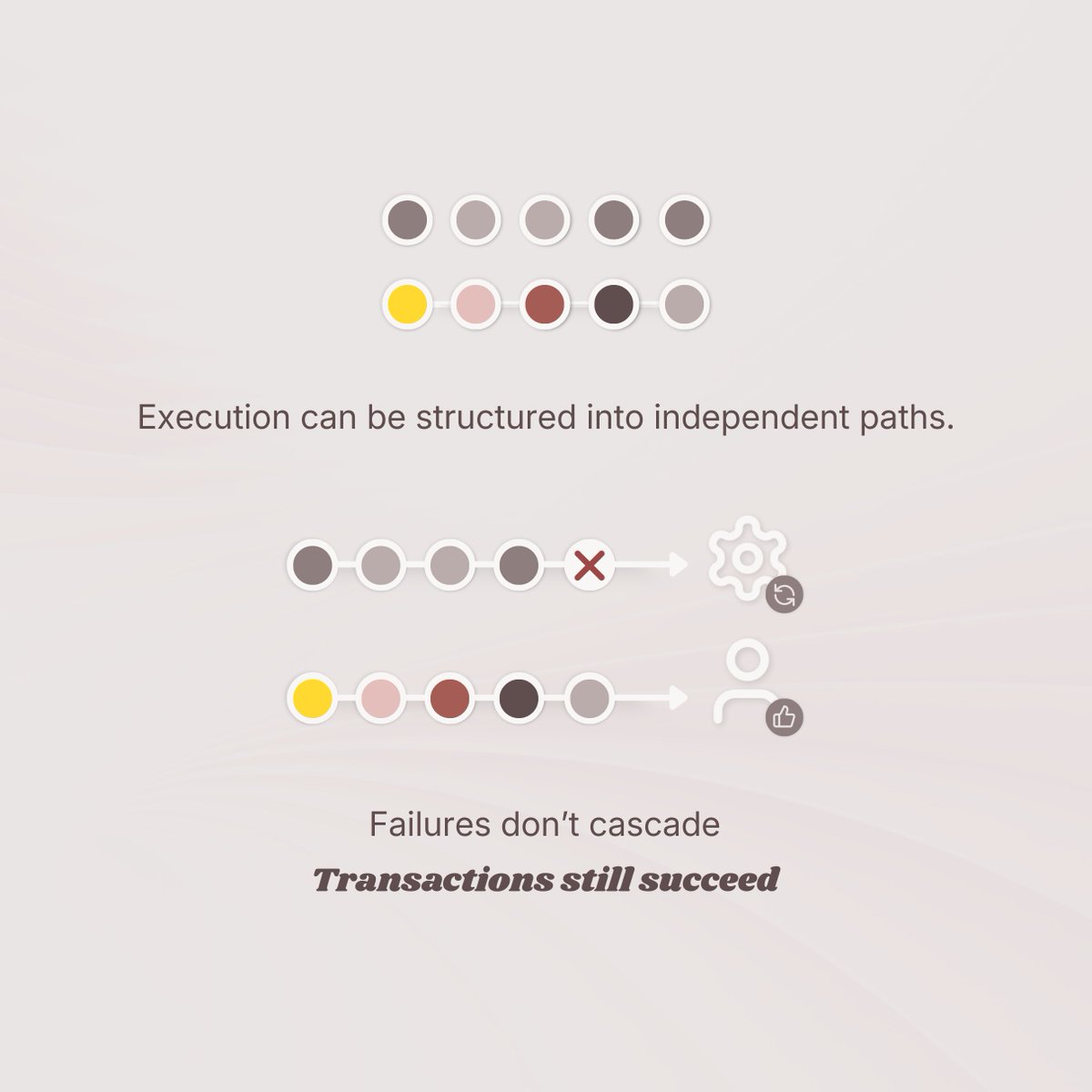
MEV protection defines 2026's intent-based swaps. SolverRouter's custom shields encrypt intents, revealing only to winning bidders post-auction. This neutralizes sandwich attacks, preserving alpha in yield farming. AI agents amplify this: they simulate executions, selecting paths with embedded farms for compounded returns. IntentFi users see 98.5% fulfillment, blending advisory with execution.
Yield farming evolves too. Solvers bundle swaps with liquidity provision, auto-compounding via intents like "deposit USDC, harvest rewards weekly. " Multi-agent setups, per Jung-Hua Liu's architecture, deploy specialized agents: one for routing, another for risk assessment. Result? Optimized yields without manual monitoring, all MEV-secured.



No comments yet. Be the first to share your thoughts!