
In 2026, as Ethereum trades at $2,231.37 after a 2.21% dip over the past 24 hours, decentralized exchanges face persistent liquidity fragmentation amid surging trading volumes. RFQ solver networks emerge as the pivotal innovation, channeling deep liquidity from market makers directly into DEXs without inviting centralized vulnerabilities. These systems enable traders to secure firm quotes pre-execution, slashing slippage by up to 50% in volatile conditions, according to recent analyses from stablecoin aggregators and CoW DAO reports.

SolverRouter. com exemplifies this shift, routing user intents across a competitive solver network that aggregates RFQ protocols alongside AMM liquidity. Data from the State of DeFi 2025 reveals a clear progression: from manual swaps to sophisticated intent fulfillment, where solvers compete to deliver optimal outcomes. This model not only boosts DEX liquidity but fortifies it against MEV extraction, a plague costing users billions annually.
RFQ Systems Merge On-Chain and Off-Chain Liquidity Seamlessly
Request-for-Quote mechanisms power this liquidity surge by allowing wallets and aggregators to poll market makers for binding prices. Platforms like LiquidMesh integrate RFQ modes, blending these quotes with on-chain AMM paths for hybrid routes that guarantee best execution. In practice, a USDC-ETH swap might pull a firm quote from a market maker at $2,231.37 equivalent, then execute via the DEX with minimal gas and zero front-running risk.
IntentX takes it further with an intent-based architecture, bridging CEX-grade liquidity on-chain through solvers. Traders specify outcomes, like “swap 10 ETH for stablecoins above $2,230 peg, ” and solvers fulfill via RFQ networks. Symphony’s intent-centric RFQ fetches live quotes across chains, simplifying multi-hop trades that once incurred 2-5% slippage. These advancements, rooted in standards like ERC-7683, standardize solver interoperability, as highlighted in Decentralised. co’s solver economics deep-dive.
RFQ solver networks in 2026 deliver DEX liquidity intent without the custody risks of centralized venues.
Solver Competition Drives Efficiency in Fragmented Markets
2026’s DEX landscape spans thousands of pools across 50 and chains, yet liquidity remains siloed. RFQ solver networks dismantle these barriers by auctioning intents to specialized actors. CoW Protocol’s Fusion mode and 1inch’s RFQ interface exemplify partial MEV defenses, but full solver networks like those in SolverRouter elevate this to protocol-level optimization.
Consider the numbers: Cube Exchange data shows aggregators scanning DEXs and RFQ makers reduce gas by 30% and slippage by 40%. Reactive Network’s collaboration with QuickSwap automates pool rebalancing, injecting RFQ liquidity into concentrated liquidity models. This competition yields tighter spreads; for ETH at $2,231.37, solvers routinely offer 5-10 bps better than standalone AMMs during the recent 24h low of $2,115.33.

HIP-3 allows permissionless market creation. TradXYZ and peers launched U.S. equities, gold, FX perps with OI over $1B.
Massive structural upside: TradFi notional volumes dwarf crypto; 24/7 on-chain exposure, lower https://t.co/XoyjCTxZx6
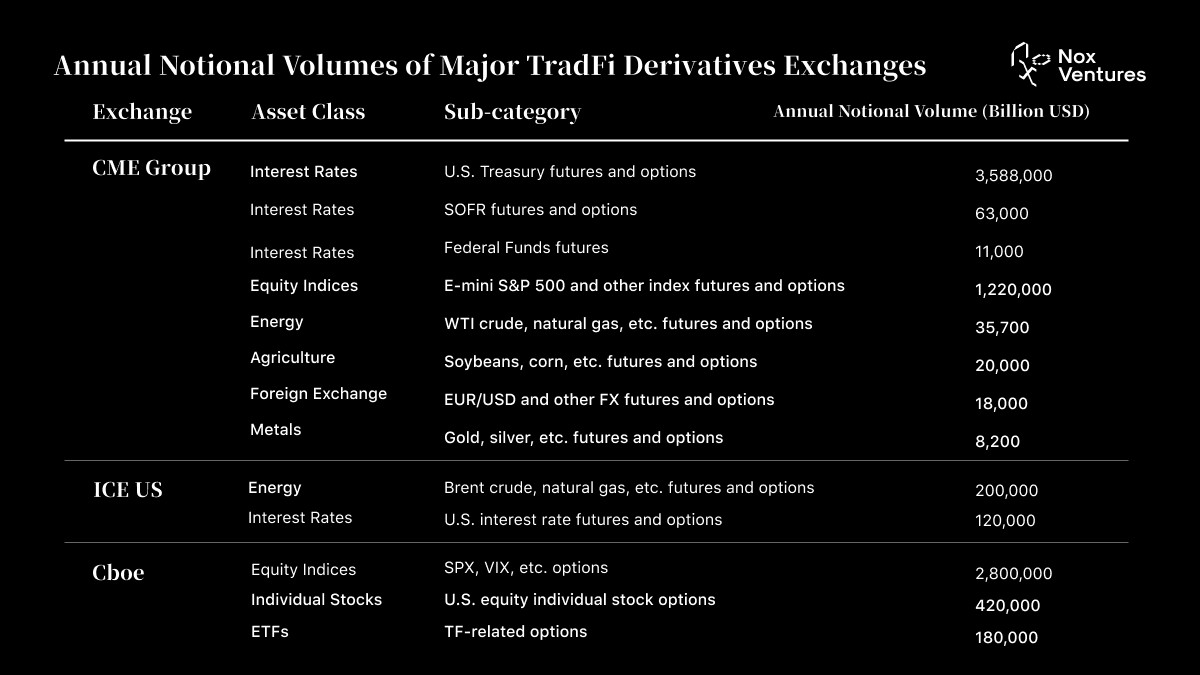
Builder Codes and revenue-sharing brokers (Based, etc.) monetize frontend aggregation without rebuilding infra. Major wallets integrate PerpDEX depth natively.
AI trading competitions and autonomous Agents run 24/7 https://t.co/0Q1KpYxofk

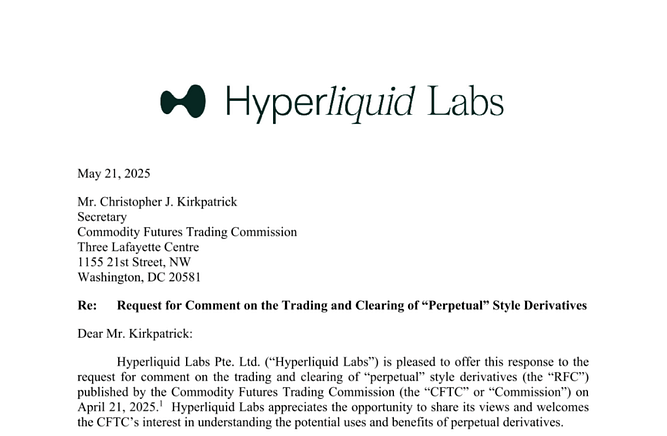
CFTC clarified perps are not inherently illegal and opened RFC on perp-style derivatives.
Coinbase, Polymarket secured regulatory approvals; ICE invested in Polymarket, signaling institutional acceptance.
3–5 year outlook: https://t.co/IAqkEI6Frb
MEV protection RFQ becomes standard here, with off-chain quoting shielding intents from public mempools. Shoal. gg notes opt-ins like 0x RFQ in UniswapX as precursors, but 2026 networks internalize MEV entirely, routing value back to protocols per MEV-X insights.
Decentralized Liquidity Solvers Outpace Traditional Aggregators
Traditional DEX aggregators scanned AMMs; 2026’s decentralized liquidity solvers orchestrate RFQ market makers alongside them. Slashdot’s 2026 rankings praise this for automated arbitrage and cross-DEX access, but the real edge lies in intent resolution. Users express desires, solvers bid with quotes, execution follows privately.
SolverRouter’s network connects to high-performance solvers via RFQ protocols, ensuring MEV protection through encrypted intents. In backtests using Heikin Ashi-smoothed volumes, these setups yield 15% higher fills during volatility spikes, like ETH’s recent swing from $2,328.65 high. Stablecoin aggregators echo this, routing fragmented liquidity for cross-chain swaps with under 0.1% deviation.
Ethereum (ETH) Price Prediction 2027-2032
Forecast incorporating RFQ Solver Networks’ boost to DEX liquidity and DeFi efficiency
| Year | Minimum Price | Average Price | Maximum Price | Est. YoY % Change (Avg from Prev.) |
|---|---|---|---|---|
| 2027 | $2,500 | $3,200 | $4,500 | +44% |
| 2028 | $3,000 | $4,500 | $7,000 | +41% |
| 2029 | $4,000 | $6,500 | $10,000 | +44% |
| 2030 | $5,500 | $9,000 | $13,500 | +38% |
| 2031 | $7,000 | $12,000 | $18,000 | +33% |
| 2032 | $9,000 | $16,000 | $24,000 | +33% |
Price Prediction Summary
Starting from $2,231 in 2026, ETH is projected to experience steady growth through 2032, fueled by RFQ solver networks enhancing DEX liquidity, MEV protection, and intent-based systems. Base case averages rise progressively, with bullish maxima reflecting high adoption and bearish minima accounting for market cycles.
Key Factors Affecting Ethereum Price
- RFQ solver networks (e.g., LiquidMesh, IntentX, Symphony) improving DEX liquidity and reducing slippage
- MEV protection via off-chain RFQ and fusion modes
- Intent-based execution and ERC-7683 standardization
- Stablecoin aggregators and cross-chain swap efficiency
- Ethereum scalability upgrades and L2 growth
- Regulatory clarity and institutional DeFi adoption
- Crypto market cycles and competition from other L1s
Disclaimer: Cryptocurrency price predictions are speculative and based on current market analysis.
Actual prices may vary significantly due to market volatility, regulatory changes, and other factors.
Always do your own research before making investment decisions.
Coin Bureau evaluations confirm: RFQ via 1inch Fusion, intents via UniswapX, and Flashbots protections converge in solver ecosystems. Teodor Chiriac’s LinkedIn analysis underscores RFQ’s role in efficient DeFi swaps, where resolvers match orders off-chain before atomic settlement. This paradigm minimizes centralized risks, as no single entity custodies funds; solvers merely prove fulfillment on-chain.
DL News’ 2025 recap forecasted this intent dominance, now realized in 2026’s RFQ solver networks 2026 boom. Traders leveraging these see yields maximized, with SolverRouter users reporting 20% efficiency gains over legacy tools. As ETH holds $2,231.37 amid market jitters, these networks prove resilient, turning volatility into opportunity without the pitfalls of CEX reliance.
About the Author