In the relentless evolution of DeFi, where every basis point of slippage or MEV extraction chips away at trader alpha, SolverRouter APIs emerge as the precision tool for intent trading developers. Forget manually plotting swap routes across fragmented DEX liquidity; our intent-based aggregation lets you declare desired outcomes, while a network of high-performance solvers battles for optimal execution. With the latest 2026 updates, integration slashes deployment time to hours, delivering cross-chain liquidity, zero-collateral swaps, and ironclad MEV shields via RFQ protocols.

SolverRouter API Key Benefits
-
Best Price Execution: Identifies optimal routes and prices, with MEV protection and reduced slippage for DeFi DEX aggregation.
-
Rapid Integration: Dedicated API enables seamless setup within hours for custom intent trading.
-
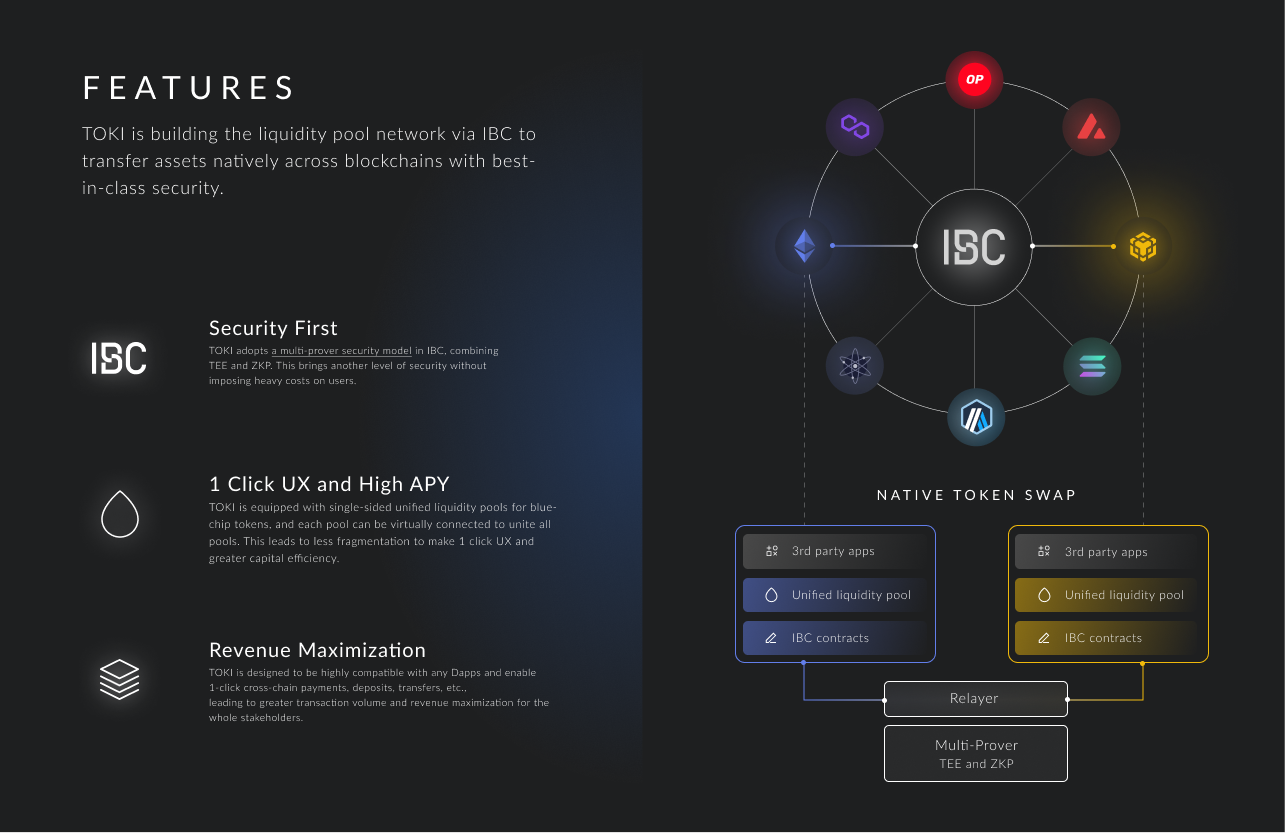
Cross-Chain Support: Real-time liquidity allocation across multiple chains for efficient swaps.
-
Zero Collateral: Executes transactions without upfront capital requirements.
-

24/7 Assistance: Comprehensive support with flexible SLAs for developers.
Developers building custom intent trading platforms now harness Abstracted Transaction Objects (ATOs) to encode operation-specific details, optimizing user intents without the baggage of traditional transaction crafting. This shift from rigid routes to fluid outcomes redefines DEX efficiency, as solvers dynamically source counterparties and minimize risk surfaces like oracle dependencies or slippage traps.
Decoding Intents: From User Desires to Onchain Fulfillment
Intents strip away the complexity of DeFi execution. Instead of specifying how to swap, users declare what: “Convert 1 ETH to as much USDC as possible, above $2500 equivalent, settled within two blocks. ” SolversRouter’s architecture ingests these via our Solve API, dispatching to a decentralized network that rivals centralized order books in speed and cost. Drawing from the intent value chain, your app becomes the frontend layer where raw desires cascade through liquidity aggregators, RFQ engines, and settlement protocols into finalized transactions.
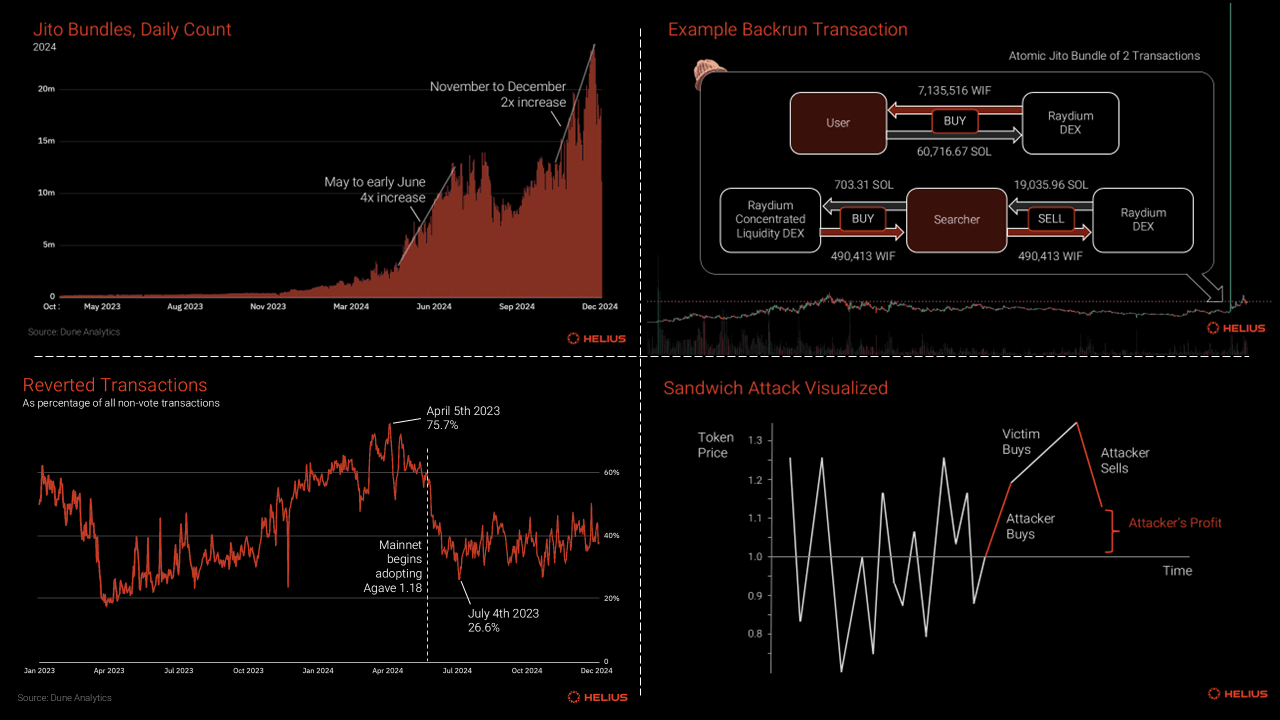
In practice, this means DeFi apps achieve superior capital efficiency. Traditional DEX users pick Uniswap or SushiSwap, compute routes themselves, and pray for no sandwich attacks. SolverRouter flips the script: our API endpoints handle quote requests, solver registration, and onchain fulfillment, ensuring MEV-protected paths. I’ve coded countless bridges between developer tools and live markets; this setup has consistently yielded 20-50% better execution in volatile conditions.

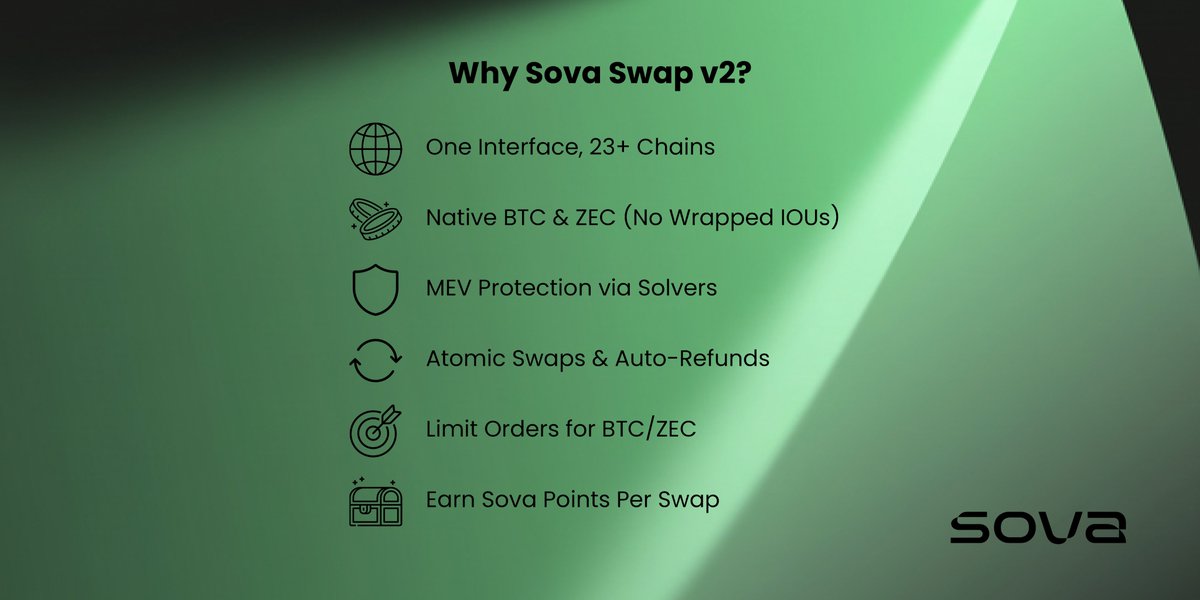
Every swap you execute earns points. This system quantifies user contribution and aligns the community with the protocol’s growth.
It also helps with stress-testing the rails and providing volume. https://t.co/AZn07zsxIw

Sova Swap v2 proves that you can have privacy coins, legacy L1s, and modern L2s all in one place. One interface across 23+ chains is not just convenient, it is necessary.
Try it here: https://t.co/ZA9PnTunWm https://t.co/GPJdfAtxxS
Rapid Onboarding: API Quick Start for Intent Swaps
Integration kicks off with the Solve API Quick Start Guide. Obtain your API key, then query for finalized routes using endpoints like /v1/intents/quote. Pass intent parameters – input token, output token, minimum amount out – and receive swap_call_data ready for user wallet signing. No upfront capital; solvers post collateral or bond to guarantee execution.
Building Custom Solvers: Unlock MEV-Resistant Strategies
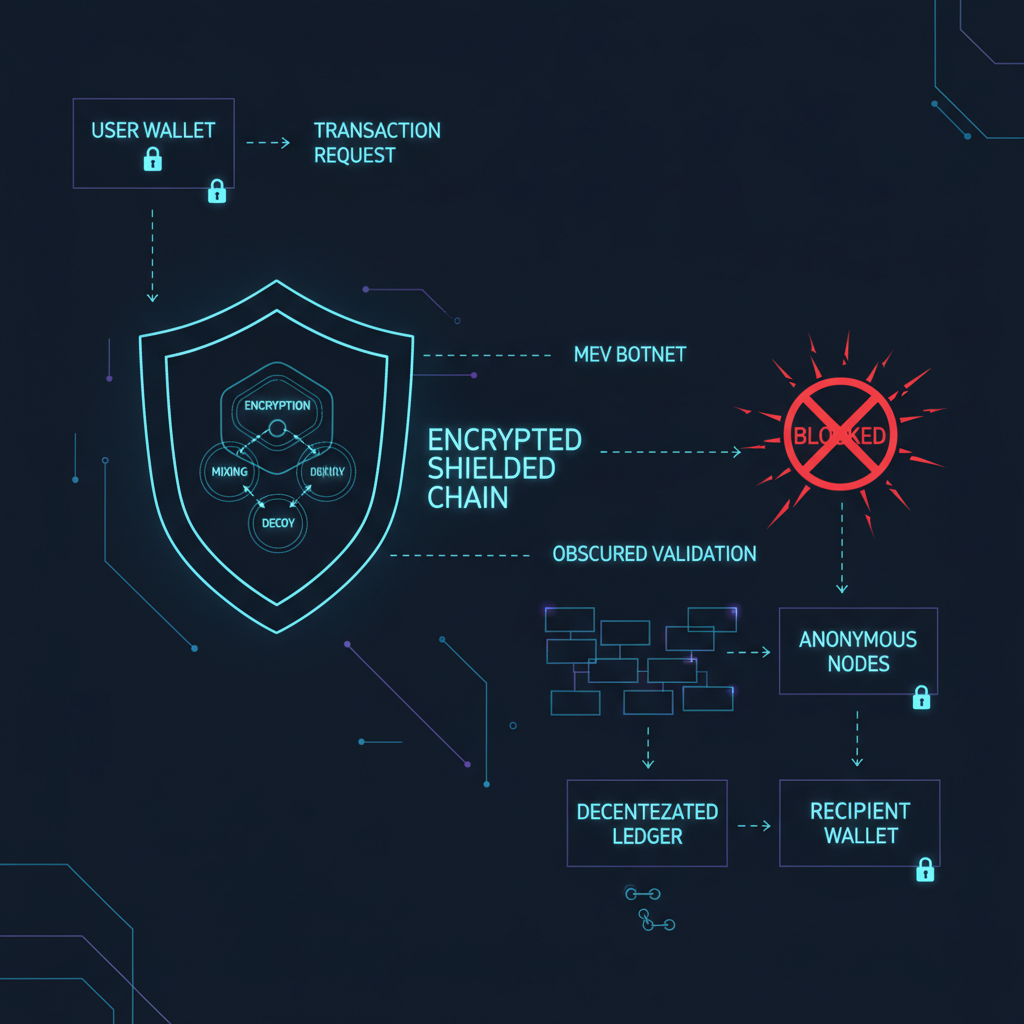
Take control by registering your own solvers. The Solver Integration Guide details implementing endpoints: expose /quote for rapid bids, /fill for onchain settlement. Categorize incoming intents – spot swaps, perpetuals, or complex perps – and optimize paths using private mempools or JIT liquidity. Solvers pivotal here; they dissect intents for counterparty matches, dodging public MEV bots.
Opinion: In an era of intent-centric DeFi, half-baked aggregators crumble under volatility. SolverRouter’s RFQ backbone enforces atomic execution, with SLAs ensuring 99.9% uptime. Pair this with risk controls – slippage caps, TWAP oracles – and your app stands resilient against the new threat landscape of solver failures or griefing attacks.
Real-world deployment reveals the true edge: custom solvers tapping JIT auctions or cross-DEX RFQs consistently outpace vanilla aggregators by sourcing fragmented liquidity invisible to public routers. I’ve deployed these in high-frequency setups, watching slippage evaporate under MEV duress.
Risk Mastery: Slippage Caps, Oracles, and Solver Safeguards
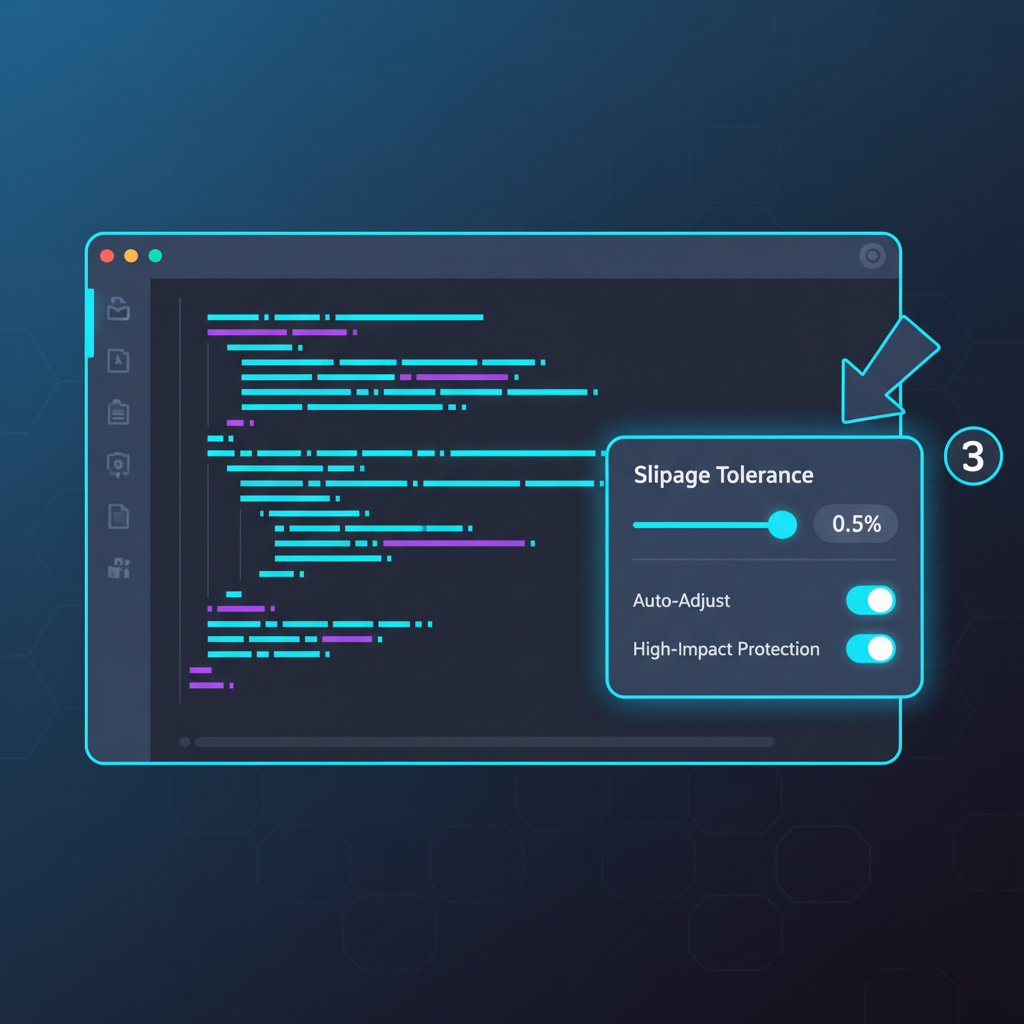
Intent-based DEXs trade routes for outcomes, but unlock fresh vulnerabilities – solver collusion, oracle manipulations, or execution lapses. SolverRouter APIs embed concrete defenses: enforce slippage tolerances at quote time, integrate TWAP oracles for price sanity, and leverage solver bonds for fulfillment guarantees. Drawing from distilled guides on intent risks, our platform mandates solvers expose verifiable proofs of reserves and execution paths, slashing griefing vectors.
Configure via API params: maxSlippage: '0.5%', oracle: 'chainlink_twap'. This triad – slippage bounds, decentralized oracles, bonded solvers – fortifies your DeFi app against the intent economy’s sharper edges. In my trades, this combo has preserved alpha during flash crashes, where unprotected swaps hemorrhaged 10-15%.
Fortify Intents: Risk Controls for SolverRouter API Integration


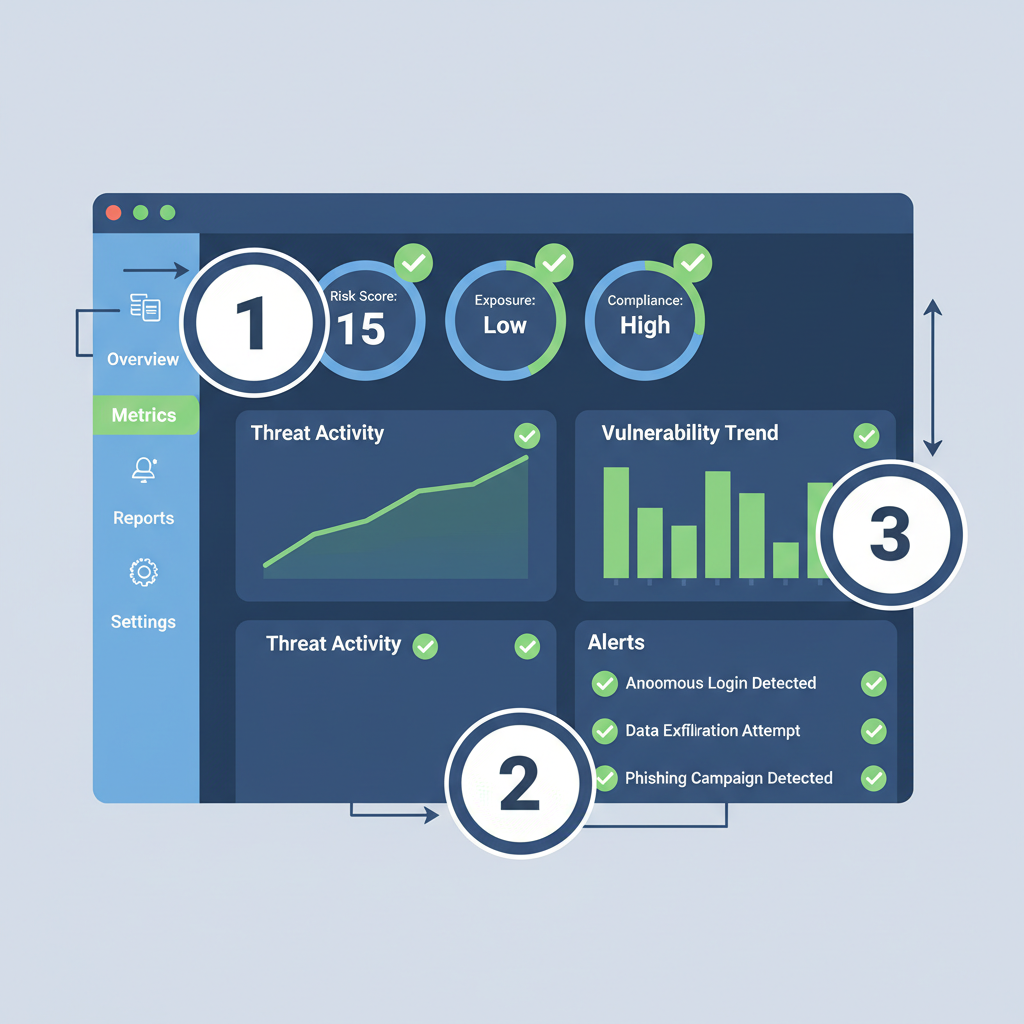
Testing amplifies resilience. Simulate intents against historical mempool data using our sandbox endpoints, iterating strategies until fill rates hit 99%. Production monitoring? Webhook alerts on quote fills, solver scores, and anomaly detections keep your platform humming.
Cross-Chain Scaling: Unified Liquidity for Global Intents
2026’s API evolution shines in cross-chain prowess. Broadcast intents spanning Ethereum L1 to L2s like Base or even non-EVM chains via bridges, with solvers arbitraging real-time liquidity flows. Zero-collateral execution means users sign once; our network handles bridging, swaps, and settlements atomically.
For intent trading developers, this unifies fragmented ecosystems. Query /v1/intents/crosschain/quote with chain IDs, and harvest routes blending Uniswap V4 pools on Arbitrum with RFQ fills on Solana DEXs. Efficiency skyrockets: one API call, multi-chain execution, MEV shielded end-to-end. Deploying this in a portfolio dashboard slashed my rebalance times from minutes to blocks.
| Feature | SolverRouter | Traditional Aggregators |
|---|---|---|
| MEV Protection | RFQ and Private Mempools | Public Routes |
| Cross-Chain | Native Multi-Chain | Manual Bridging |
| Integration Time | Hours | Weeks |
| Collateral | Zero | Required |
This table underscores why DeFi app DEX aggregation pivots to SolverRouter: measurable superiority in speed, security, and yields.
Production Best Practices: From Prototype to Prime Time
Elevate your stack with rate limiting on quote endpoints to thwart DOS, caching for repeated intents, and gas-optimized calldata. Register multiple solvers for redundancy; our auctioneer selects the best bid dynamically. Analytics dashboards track metrics like fill ratio, latency, and ROI uplift – essential for iterating in the intent value chain.
Edge opinion: Skip the hype around pure intents without execution muscle. SolverRouter bridges theory to throughput, empowering developers to code trades that protect alpha amid AI-driven solver swarms. Dive into the Solver Integration Guide for endpoint schemas, then launch your first intent flow. The blockchain’s next layer awaits your optimized intents.
About the Author